
Plastic labelling needs 'sustainability scale'
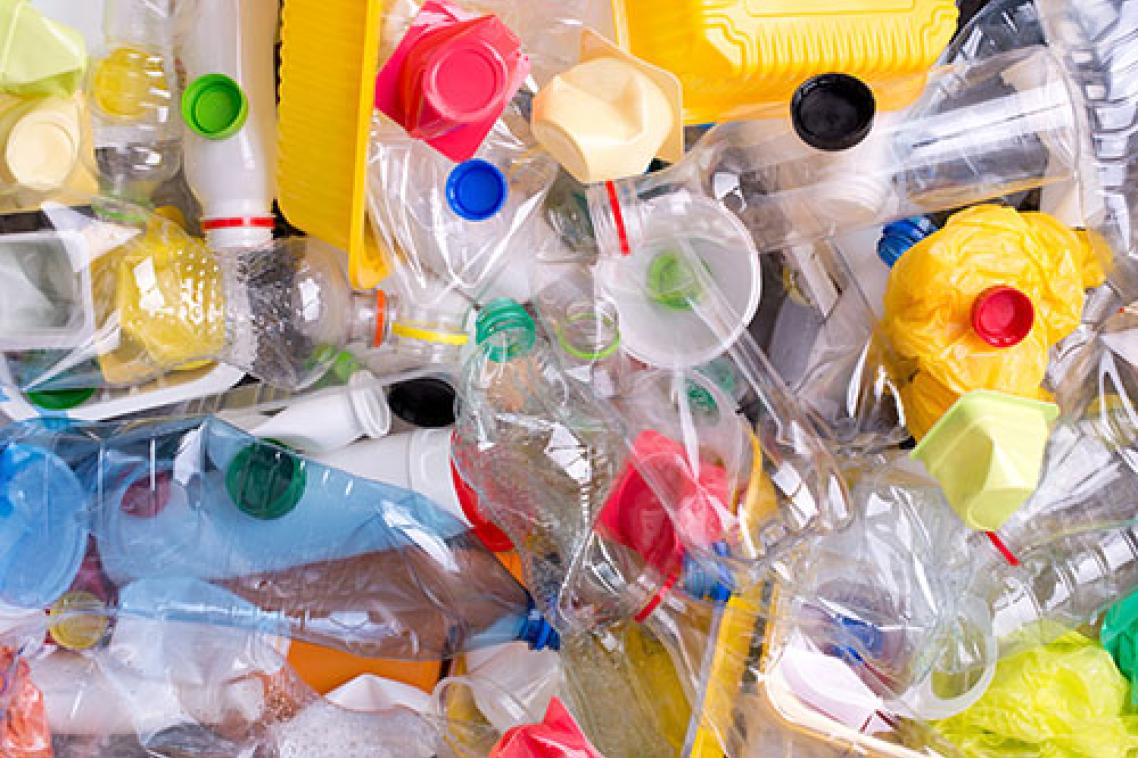
Labelling of plastic products needs a drastic overhaul including a new "sustainability scale" to help consumers, according to research from The University of Queensland and University of Exeter.
Plastic pollution is a growing global problem, with an increasingly complex mix of plastics found everywhere from the Arctic to Mount Everest.
Professor Kevin Thomas, Director of UQ’s Queensland Alliance for Environmental Health Sciences and lead researcher for the Minderoo Centre - Plastics and Human Health said simplistic, unhelpful labelling and low recycling rates are major barriers to tackling this issue.
“A new internationally applicable labelling system is required that moves focus from recyclability to sustainability,” Professor Thomas said.
“It needs to be specific to the country and region of purchase and provide information to the public about plastic additive content.
"We hope that our recommendations initiate a reassessment of plastics labelling and that implementation of a sustainability scale allows individuals to make informed decisions in how they use plastics.
“This is just one small necessary step towards helping people help the environment.”
The research team stress recommendations should not detract from the urgent need to use less plastic – especially single-use items.
At present, about 368 million tonnes of plastic is produced worldwide each year.
Estimates of recycling rates vary dramatically.
For example, Australia recycles 14 per cent of its plastic waste, however Germany recycles 62 per cent of its plastic waste – well above the European average of 30 per cent.
Lead author PhD candidate Stephen Burrows from UQ’s Queensland Alliance for Environmental Health Sciences said consumers need to be empowered to make more sustainable choices.
"Instead of 'yes-no' recycling labels, which are often misleading, a 'sustainability scale' could take account of recyclability but also other factors such as the environmental cost of production and potential human health risks from additives,” Mr Burrows said.
"Requiring packaging to carry region-specific directions for disposal would shift responsibility away from consumers and towards regulators and plastic producers.
"This is vital because the mix of plastic products is so complex and confusing, industry must be responsible for clear, accurate and accessible instructions on how best to dispose of plastic items.
"Requiring producers to list all additives would be a major step towards informing the public and helping them make decisions regarding environmental impact and human health."
The study is published in Environmental Science and Policy (DOI: 10.1016/j.envsci.2022.02.015).
Stephen Burrows is currently completing a PhD in the field of environmental toxicology, with a shared scholarship between UQ and the University of Exeter.
Media: Kirsten O’Leary, UQ Communications, k.oleary@uq.edu.au.
Topics
Related articles

From cooked breakfast to their own TV, aged care residents need to watch for extra fees
