
Global UQ study into sepsis set to save children’s lives
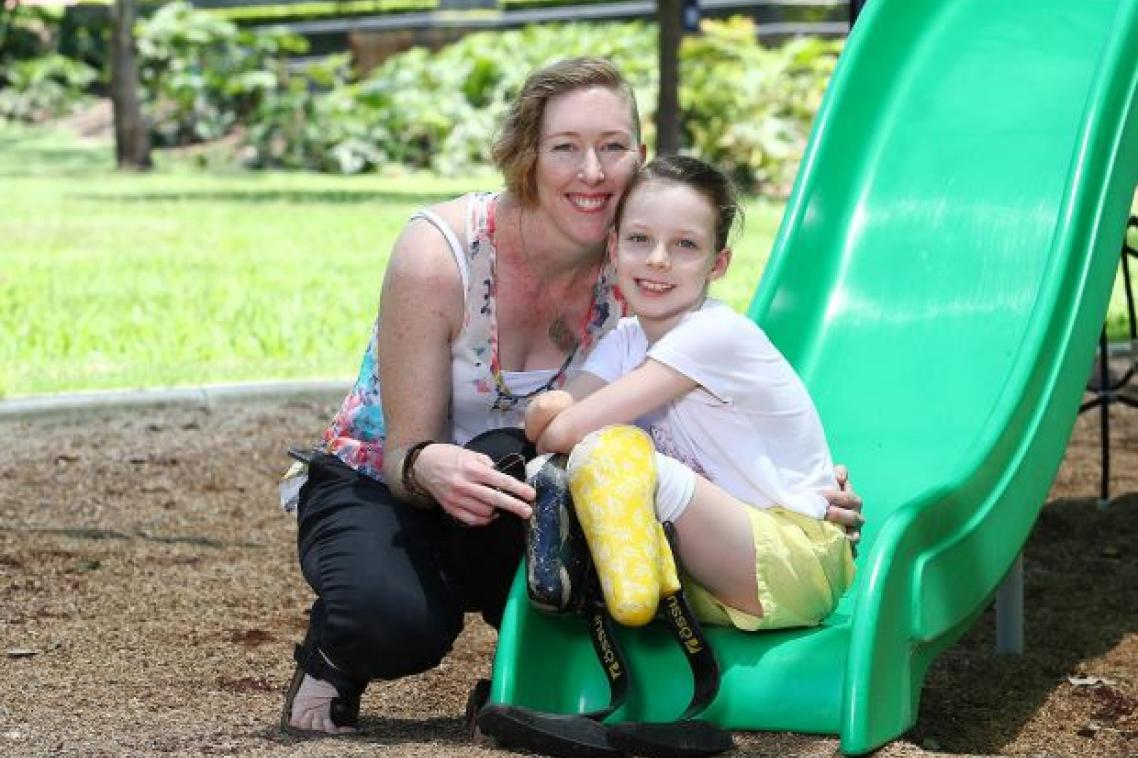
Images and video available here.
A clinical study examining new ways of treating children with sepsis - using vitamin C and steroids alongside antibiotics - could save children’s lives around the world.
The University of Queensland-led study has received $1.3 million over five years from the National Health and Medical Research Council (NHMRC) to commence one of the largest clinical trials conducted in paediatric sepsis.
Associate Professor Kristen Gibbons from the UQ Child Health Research Centre said the research team was examining how using a megadose of Vitamin C and steroids could be used alongside antibiotics to treat sepsis, which is a leading cause of childhood death in Australia.
“Globally, a child dies from sepsis every 10 seconds and in Australia a child dies every week,” Dr Gibbons said.
“Up until now, antibiotics and blood pressure assistance have been used to treat sepsis, but our research has found a boost of vitamin C and steroids can help the body recover and allow the antibiotics to do their work.
“Of the children who survive sepsis, about a third experience long term adverse impacts.
“Not only does this new treatment have the potential to save lives, it could also help reduce the impacts that some children experience following sepsis, and that could be a real game changer for families.”
Sepsis is a severe infection that can be fatal and can start as a common mild infection that can quickly affect the whole body.
“It can start from a basic, everyday infection that can get severe very quickly and turn into a medical emergency, and this is why it’s very important to administer these treatments early to minimise the damage and stop it becoming fatal,” Dr Gibbons said.
In addition to study sites within Australia and New Zealand, international collaborations are enabling the clinical trial to also be conducted in Brazil, Switzerland and South Korea.
UQ researcher and Queensland Children’s Hospital intensive care physician Dr Sainath Raman said the research began in 2015 under the leadership of Associate Professor Luregn Schlapbach, and feasibility and pilot studies have shown a large-scale trial is warranted.
“In the early years of this research program, while we were doing some observational work, we noticed a gap in treatment options for children who were admitted to hospital with sepsis, and a lack of ways to improve the long-term impacts,” Dr Raman said.
“So far, we’ve found that using vitamin C and steroids is safe and might improve the response in the body, by improving blood flow and optimising the way cells respond to fight the infection, which is where antibiotics also come in.
“Another important factor is the potential cost effectiveness of this treatment. If proven to be effective in this clinical trial, it will be a way to save children’s lives all around the world, including in low- and middle-income countries.”
This study is a collaboration between UQ, QUT, the Australian and New Zealand Intensive Care Society Paediatric Study Group and a number of tertiary hospitals around Australia and New Zealand.
Media: Associate Professor Kristen Gibbons, k.gibbons@uq.edu.au, +61 (0)407 966 708, Dr Sainath Raman, sainath.raman@uq.edu.au, +61 (0)432 956 149; UQ Communications, communications@uq.edu.au, +61 (0)429 056 139.
Related articles

Sick of being told to ‘just lose weight’? Health promotion shouldn’t come with weight stigma
