
Backyard beekeepers needed to spy on native stingless bees
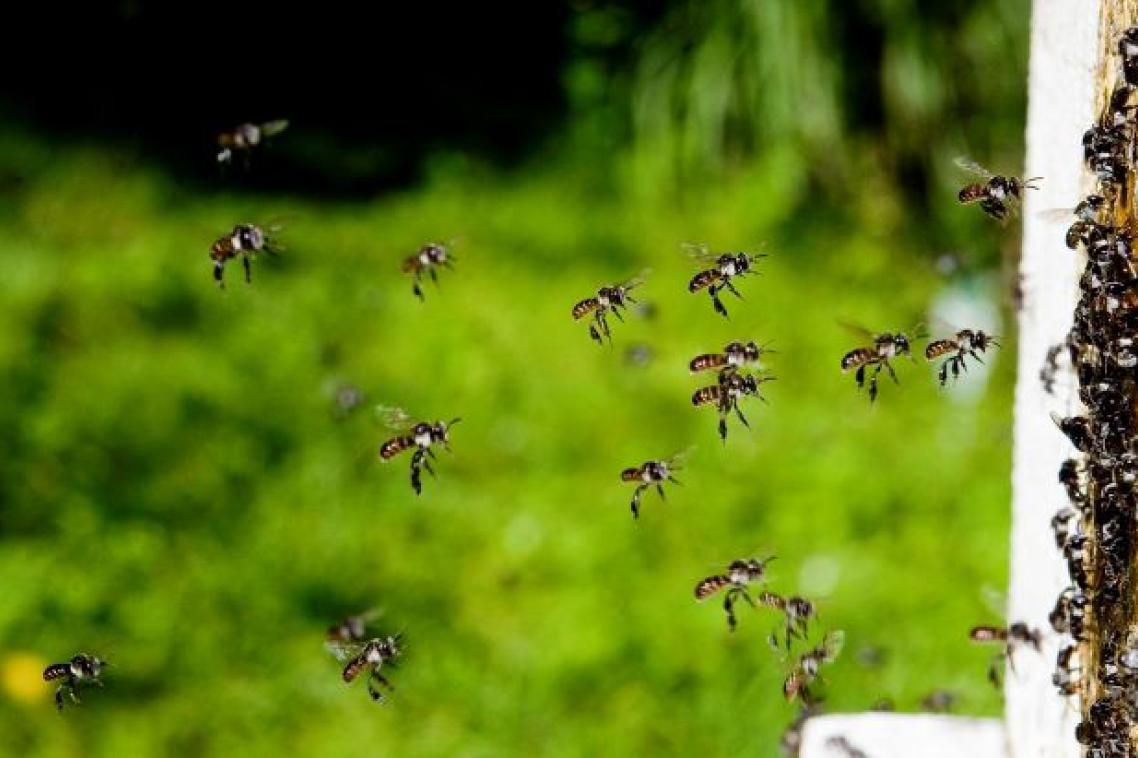
Scientists at the University of Queensland are buzzing about a new citizen science project investigating some of Australia’s native bee species in our own backyards.
Dr Gurion Ang and Dr Tobias Smith from UQ’s School of the Environment are calling on citizen beekeepers to help observe native stingless bees, to better understand them and how their colonies reproduce.
“While all bees are incredibly important players when it comes to biodiversity, native stingless bees are crucial pollinators of our native plants and wildflowers,” Dr Ang said.
“But there’s actually a lot that science is yet to learn about these fascinating insects.”
The project is aiming to build a long-term dataset of the bees, using simple observations of hives being kept in Australian backyards or known native colonies.
“It’s as easy as watching the hive’s entrance for three minutes a week and recording some information about the bee behaviour you can see,” Dr Smith said.
“After registering your hive online, we supply a unique QR code sticker linking the bee colony to our online data collection form and you can start logging your observations.”
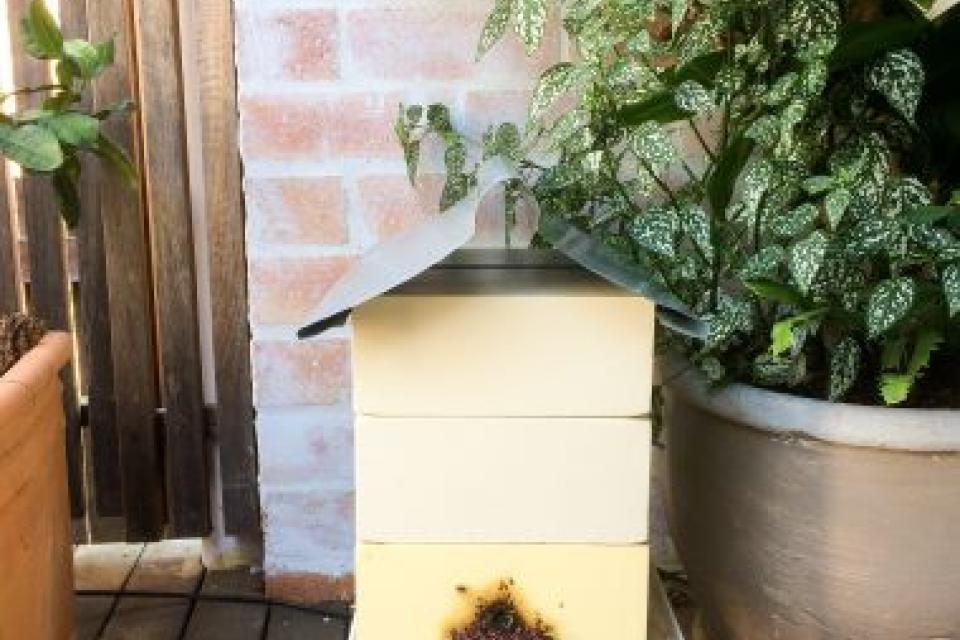
Dr Smith said the project’s website will help citizen scientists identify if their stingless bee colony is thriving.
“We’ll be looking for signs it may be reproducing and establishing a new daughter colony.
“This tells us a colony is strong, well-established and the environmental conditions are suitable,” Dr Smith said.
The project is open to collaboration with school groups, as well as the general public.
“It’s a great way for school communities keeping stingless beehives to show students how data they collect can contribute to important scientific discovery,” Dr Smith said.
The results of the research will be published in peer-reviewed journals.
“And of course, we’ll email all the citizen science beekeepers to let them know what we discover about Australian stingless bees with their help,” said Dr Smith.
For more information and to register your beehive go to the Native Bee Citizen Science Project.
This project is funded by a Queensland Government Engaging Science Grant.
Pictures and video here.
Above left: A native stingless bee hive box. Image: Tobias Smith
Media: Dr Tobias Smith, t.smith5@uq.edu.au, +61 (0)428 363 512; Faculty of Science Media, science.media@uq.edu.au, +61 (0)438 162 687.
Related articles

UQ’s QARC wins at Engagement Australia Awards
