
Important discovery could help extinguish disease threat to koalas
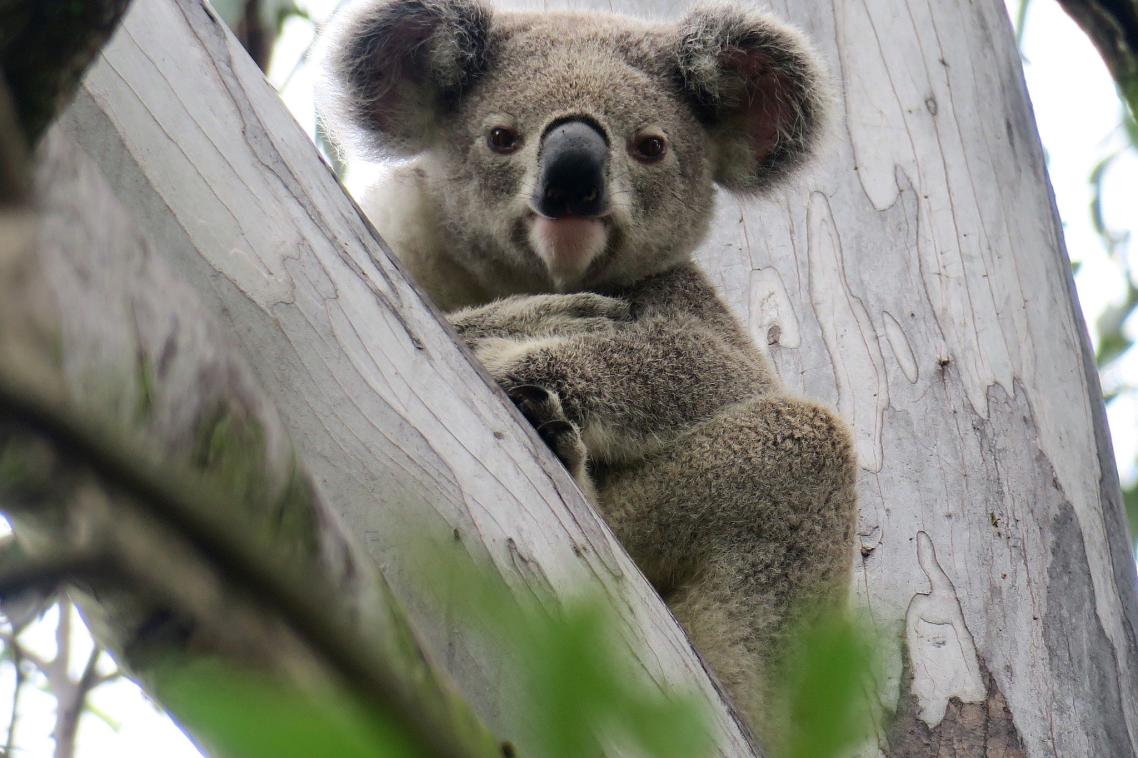
University of Queensland virologists are a step closer to understanding a mysterious AIDS-like virus that is impacting koala populations differently across state lines.
Dr Michaela Blyton and Associate Professor Keith Chappell from the Australian Institute for Bioengineering and Nanotechnology (AIBN) and School of Chemistry and Molecular Biosciences, have uncovered another piece of the puzzle in their quest to halt the koala retrovirus known as KoRV - a condition strongly associated with diseases that cause infertility and blindness.
“We’ve learned that the retrovirus is far more prevalent in New South Wales and Queensland koalas, compared to the southern populations in Victoria and South Australia,” Dr Blyton said.
“Uncovering crucial patterns like these helps us learn how the disease is evolving, how it’s spreading, and how we can contain the damage through anti-viral medication or koala breeding programs.”
Koala numbers have fallen rapidly over the past decade due to widespread land clearing, climate change induced weather events, and disease.
Dr Blyton’s research has already established the link between KoRV and chlamydia, cystitis and conjunctivitis, which suggests the virus weakens the animal’s immune system.
In the latest research published by the Proceedings of the National Academy of Sciences, Dr Blyton and Dr Chappell found KoRV is only present in the genome of koalas from Queensland and NSW while those in Victoria and South Australia appear to be free of the numerous subvariants.
Dr Blyton said this discovery strengthened the theory that the virus could be contributing to heightened disease levels in northern koala populations.
“Our previous work showed a definite link between KoRV and chlamydia in koalas, and these latest findings indicate that northern koalas should be treated very differently to southern koalas,” Dr Blyton said.
“It might mean that in the short term, koala relocations in the north are limited so we're not introducing new virus subtypes into healthy populations.”
Dr Blyton said a final solution may be some time away, but the latest findings were a big step towards nullifying the threat posed by disease.
“Ultimately, we might see some kind of anti-viral treatment, or at least improvements to koala breeding programs, but for now this is great news for a species facing threats on multiple fronts,” Dr Blyton said.
Media: Dr Michaela Blyton, m.blyton@uq.edu.au, +61 (0)432 920 19 AIBN Communications, Alex Druce, a.druce@uq.edu.au, +61 (0)447 305 979; UQ Communications, communications@uq.edu.au, +61 (0)429 056 139.
Related articles

UQ researchers send an unblockable message using gravity
