
Children with asthma at risk of anxiety
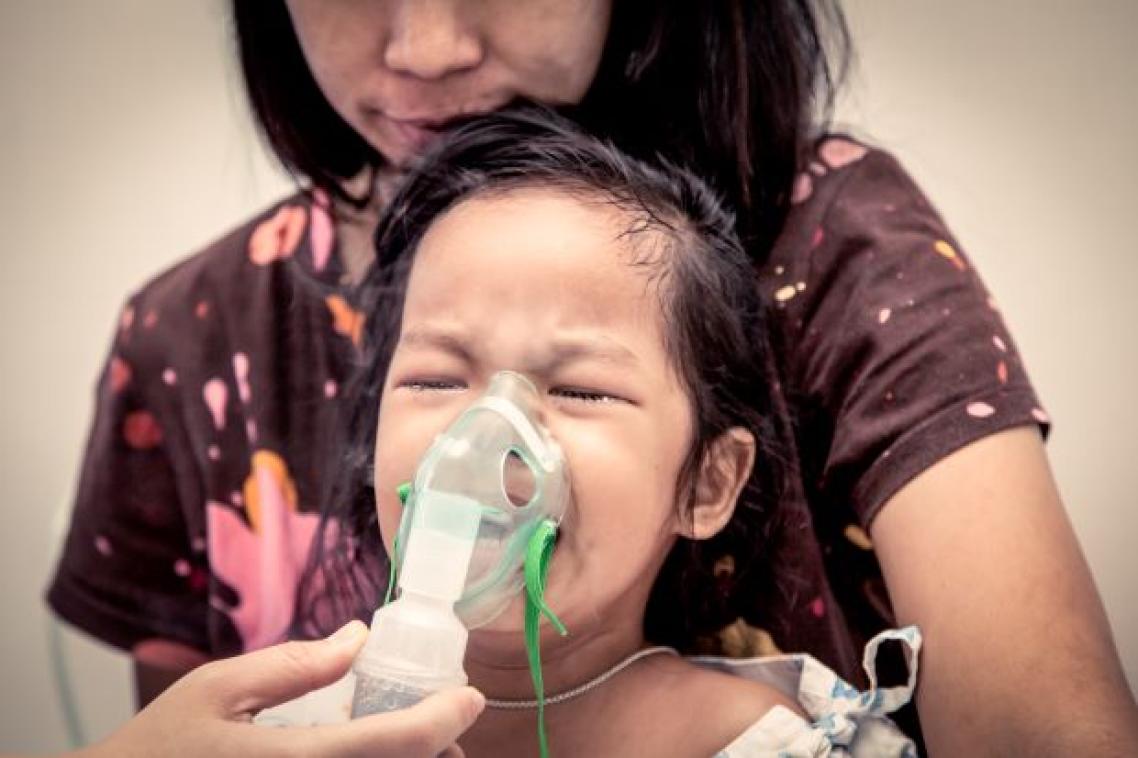
Children diagnosed with asthma were at significantly increased risk of developing anxiety, a University of Queensland study has found.
Researchers from the UQ School of Public Health analysed 9369 reports using data from the Longitudinal Study of Australian Children (LSAC), which has followed the development and wellbeing of 10,000 children since 2004.
Lead author and PhD candidate, Diana Garcia Sanchez said the findings revealed 4-year-olds with asthma were more likely to develop anxiety between the ages of 6 and 15 years, compared to non-asthmatic children.
“We found there was an 87 per cent increased risk overall for children with asthma,” Ms Garcia Sanchez said.
“We also found girls with asthma experienced more anxiety than boys during adolescence.”
Around one in five Australian children live with the respiratory condition characterised by chronic inflammation of the airways, causing episodes of wheezing and shortness of breath.
Researchers don’t believe medication used to treat the disease is responsible for the increased risk of anxiety.
“The asthmatic children in the study who were unmedicated developed anxiety at a higher rate than those who were medicated for asthma,” Ms Garcia Sanchez said.
“The children who were not taking asthma medication were 9 per cent more likely to develop anxiety than their medicated counterparts.”
“Other factors like additional burden to manage the disease or could be some linkage between immune system dysfunction/inflammation and mental health in some of the new models.
“Other factors could explain the link between asthma and anxiety, and health professionals and parents should regularly monitor the mental health of children and provide psychological support where appropriate.
“This may help identify those most at risk of developing anxiety earlier and improve management of the condition,” Ms Garcia Sanchez said.
This study is published in the journal Pediatric Allergy and Immunology.
Media: Diana Garcia Sanchez, d.garciasanchez@uq.edu.au; UQ Medicine Communications, med.media@uq.edu.au, +61 436 368 746.
Topics
Related articles

We need to be better at improving healthcare, and AI can help
