
Stinging tree injects promise of pain relief
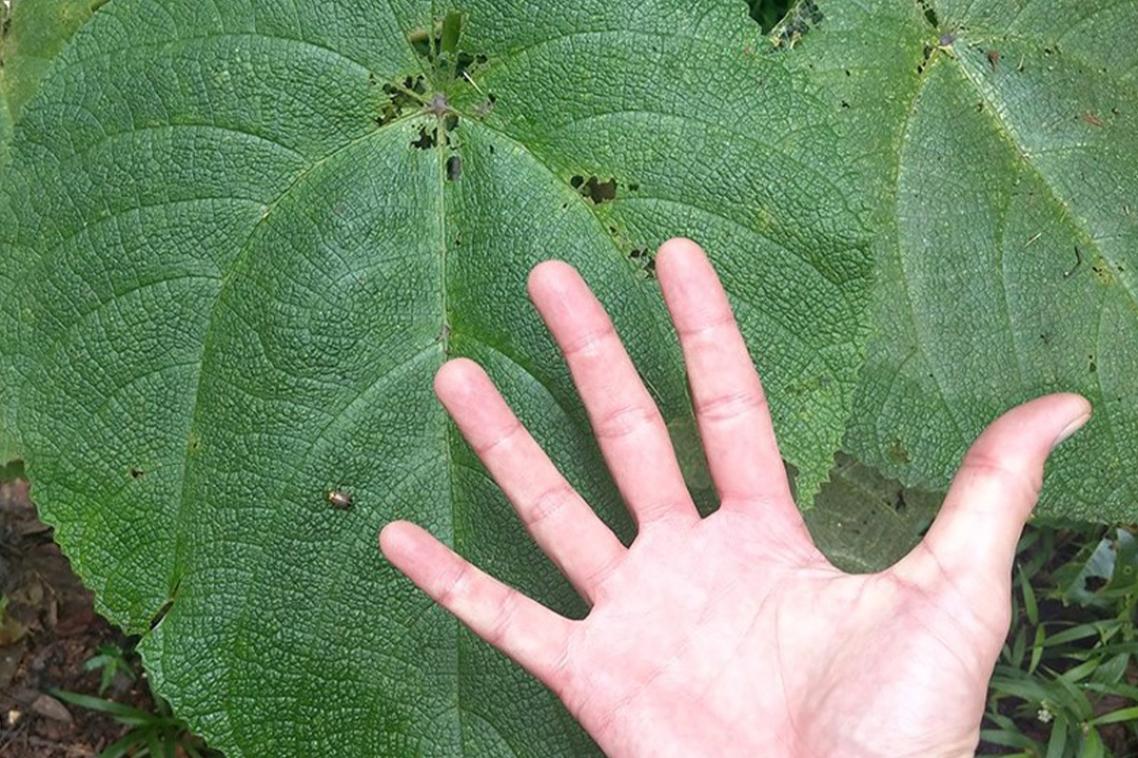
Gympie-Gympie tree toxin causes pain in a way never seen before - understanding this new pain pathway could lead to the development of new pain treatments.
University of Queensland researchers have identified a unique pain pathway targeted by a notorious Australian stinging tree and say it could point the way to new, non-opioid pain relief.
Professor Irina Vetter and her team from UQ’s Institute for Molecular Bioscience have studied how toxins in the venom of the Gympie-Gympie tree cause intense pain that can last for weeks.
Professor Vetter said the toxins - named gympietides in earlier work by the team - interact with nerves after being injected by fine needle-like hairs on the leaves.
“The gympietide toxin in the stinging tree has a similar structure to toxins produced by cone snails and spiders, but the similarity ends there,” Professor Vetter said.
“This toxin causes pain in a way we’ve never seen before.”
Many toxins cause pain by binding directly to sodium channels in sensory nerve cells, but the UQ researchers have found the gympietide toxin needs assistance to bind.
“It requires a partner protein called TMEM233 to function and in the absence of TMEM233 the toxin has no effect,” Professor Vetter said.
“This was an unexpected finding and the first time we’ve seen a toxin that requires a partner to impact sodium channels.”
The team is working to understand whether switching off this pain mechanism might lead to the development of new painkillers.
“The persistent pain the stinging tree toxins cause gives us hope that we can convert these compounds into new painkillers or anaesthetics which have long-lasting effects,” Professor Vetter said.
“We are excited to uncover a new pain pathway that has the potential for us to develop new pain treatments without the side effects or dependency issues associated with conventional pain relief.”
Professor Vetter’s team at IMB included Sina Jami, Dr Jennifer Deuis, Tabea Klasfauseweh and Dr Thomas Durek.
The research was published in Nature Communications.
Topics
Related articles

From cooked breakfast to their own TV, aged care residents need to watch for extra fees
