
A step towards using smartwatches in chronic disease prevention
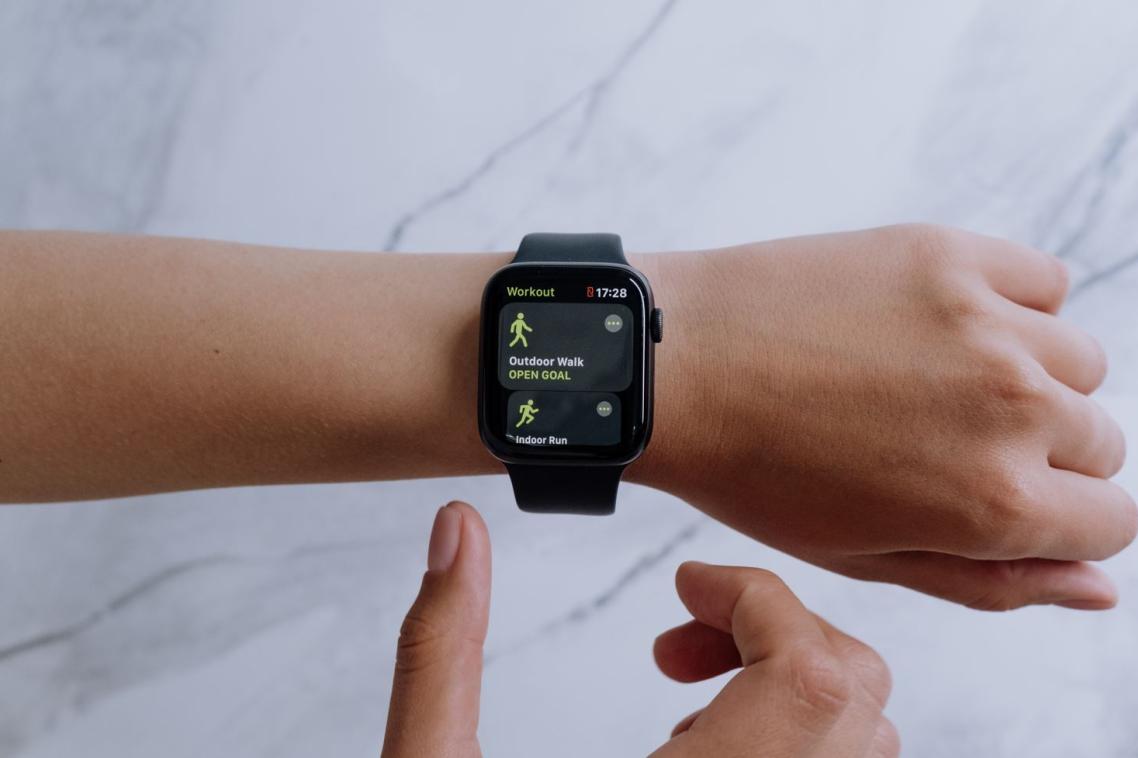
University of Queensland researchers have developed a roadmap for the integration of smartwatches into Australian health care but acknowledge there are several challenges to overcome.
Dr Graeme Mattison from UQ's Faculty of Medicine said using smartwatches for a comprehensive analysis of a patient’s health could enable personalised care for those diagnosed with diseases including obesity, diabetes and arthritis.
“One in three Australians own a smartwatch and they have become a popular accessory to monitor health and wellbeing,” Dr Mattison said.
“However, there are five challenges preventing the health sector from using smartwatches in clinical decision-making, including data accuracy and interoperability.”
The roadmap focuses on three themes to address the challenges - building digital health prevention foundations, transforming preventive care using data and analytics, and harnessing learning systems to enable precise disease prevention.
Dr Mattison said smartwatches track health metrics such as step count, heart rate, sleep quality and blood oxygen levels, but the data has varying degrees of accuracy.
“It is possible that consumers will seek medical advice if their smartwatch suggests a health concern, however the distinction between medical-grade and recreational-grade data can be hazy,” Dr Mattison said.
“The data can confuse consumers and their healthcare providers, leading to potential overdiagnosis and heightened patient anxiety.”
Dr Mattison said if smartwatches were to be integrated into clinical decision-making, regulations would be needed regarding how the devices display digital health information.
“The algorithms used to interpret health measurements are currently controlled and owned by individual smartwatch manufacturers, which impacts the capacity for other parties to decipher the information.
“Doctors will need formal training to quickly interpret vast amounts of smartwatch data.”
Dr Mattison said the roadmap is a guide and smartwatches are far from being integrated, with further questions existing around data ownership, storage, and accessibility.
“With greater regulation and data research, health care professionals can further their understanding of smartwatch use in chronic disease — with the ultimate goal of improving health outcomes for consumers.”
The roadmap is published in The Medical Journal of Australia.
Media: Dr Graeme Mattison, g.mattison@uq.edu.au; UQ Medicine Communications, med.media@uq.edu.au, +61 7 3365 5118 or +61 436 368 746.
Related articles

UQ researcher awarded international anti-doping grant
