
UQ to create new coral reef protection tool
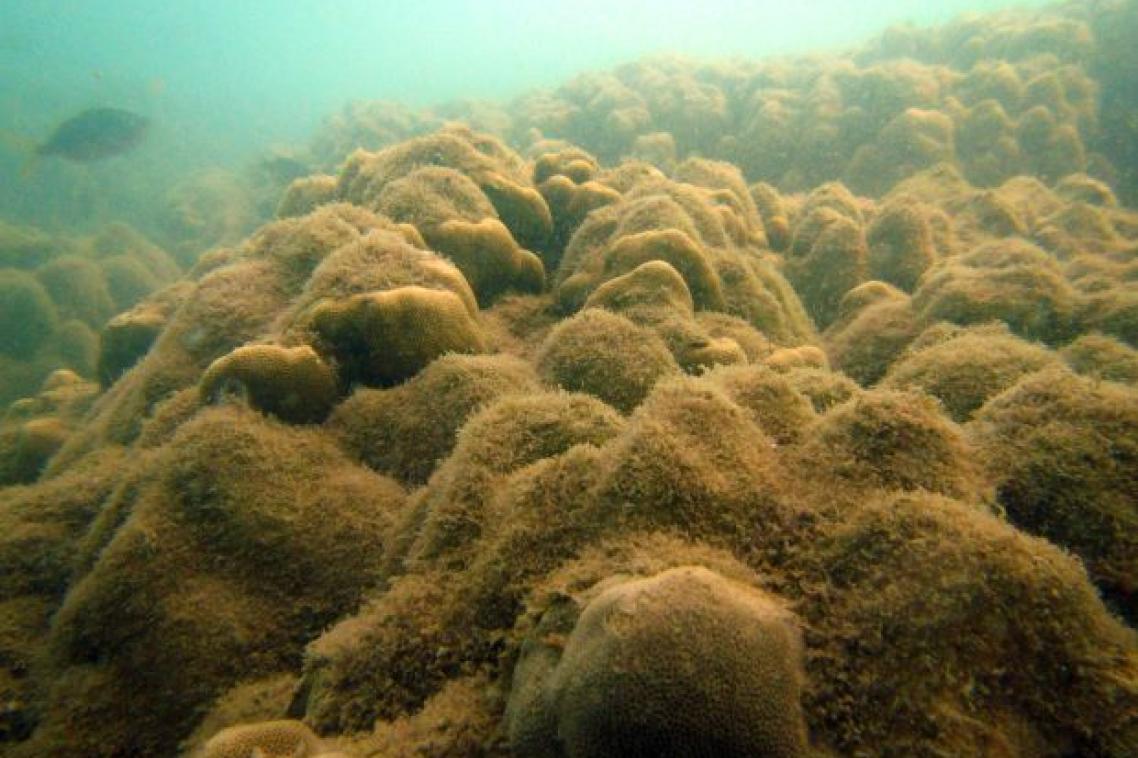
University of Queensland researchers are developing a web-based management program capable of mapping ocean water pollution almost as it happens.
The program, funded by the Coral Research and Development Accelerator Platform (CORDAP) an initiative of the G20, will identify near-real time threats to reef systems, providing conservation managers with the crucial information they need to better protect coral reefs.
The project is a collaboration between Dr Amelia Wenger from UQ’s School of the Environment and the Wildlife Conservation Society – along with Associate Professor Simon Albert and Dr Nick Hutley from UQ’s School of Civil Engineering.
“Water pollution from land-based activities is now the biggest threat for more than 30 per cent of the world’s coral reefs,” Dr Wenger said.
“It affects the food, health, livelihood and economic opportunities for millions of people.
“Current monitoring tools only identify pollution sources within a watershed and the amount of pollution that reaches the coast.
“They don’t indicate which reefs are most at risk or where pollution comes from, making it very hard to figure out where to concentrate protection efforts.”
Dr Wenger said the UQ-developed product would be an open access, almost real-time management program that allows users to map pollution, identify coral reefs at risk and determine the management effort needed to protect coral reefs.
“Creating this mapping tool is an exciting research opportunity, but it will also be a game changer for protecting coral reefs from water pollution.”
Dr Wenger says several groups in coral reef countries across the world are already lined up to use the program.
“We’re working with partners in Fiji and Solomon Islands, and I’m excited to collaborate with other coral reef conservation and restoration practitioners and government officials on co-creating a tool that will really meet their needs,” she said.
“It can be easy to focus on the doom and gloom when it comes to news about the world’s coral reefs, so it’s very motivating to work on something positive.
“I hope this tool will help with all the great work being done by experts and communities on the ground.”
The UQ research project has been awarded $1.74 million in funding from CORDAP’s Coral Accelerator Program, designed to fast-track research and development solutions to save the world’s coral reefs.
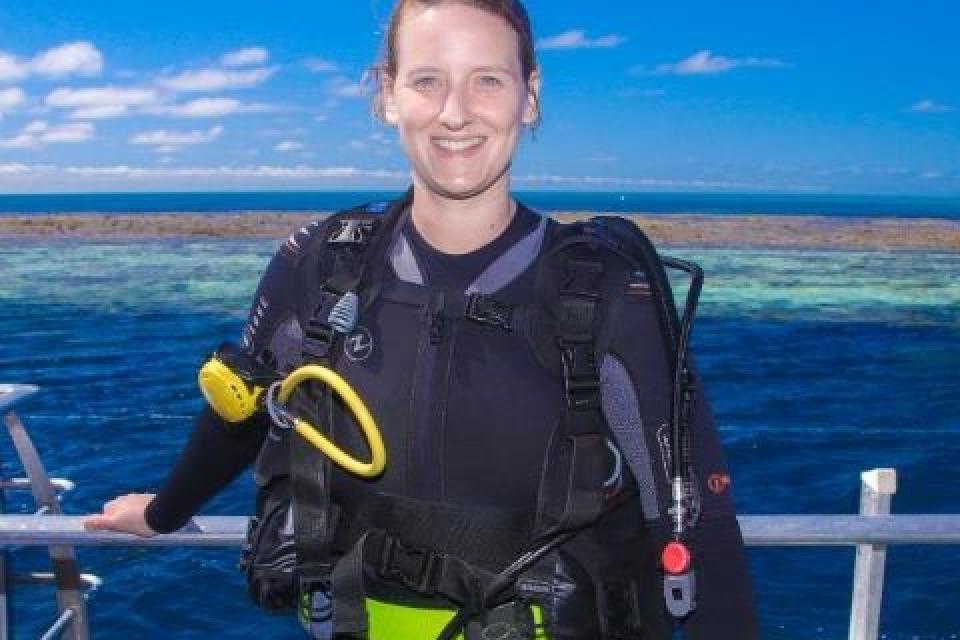
Above left: Dr Amelia Wenger.
Media: Dr Amelia Wenger, a.wenger@uq.edu.au, +61 406 559 711; Faculty of Science Media, science.media@uq.edu.au, +61 438 162 687.
Related articles

Doping Control Officer course delivered for first time in Australia
