
A wild Australian grain to diversify diets
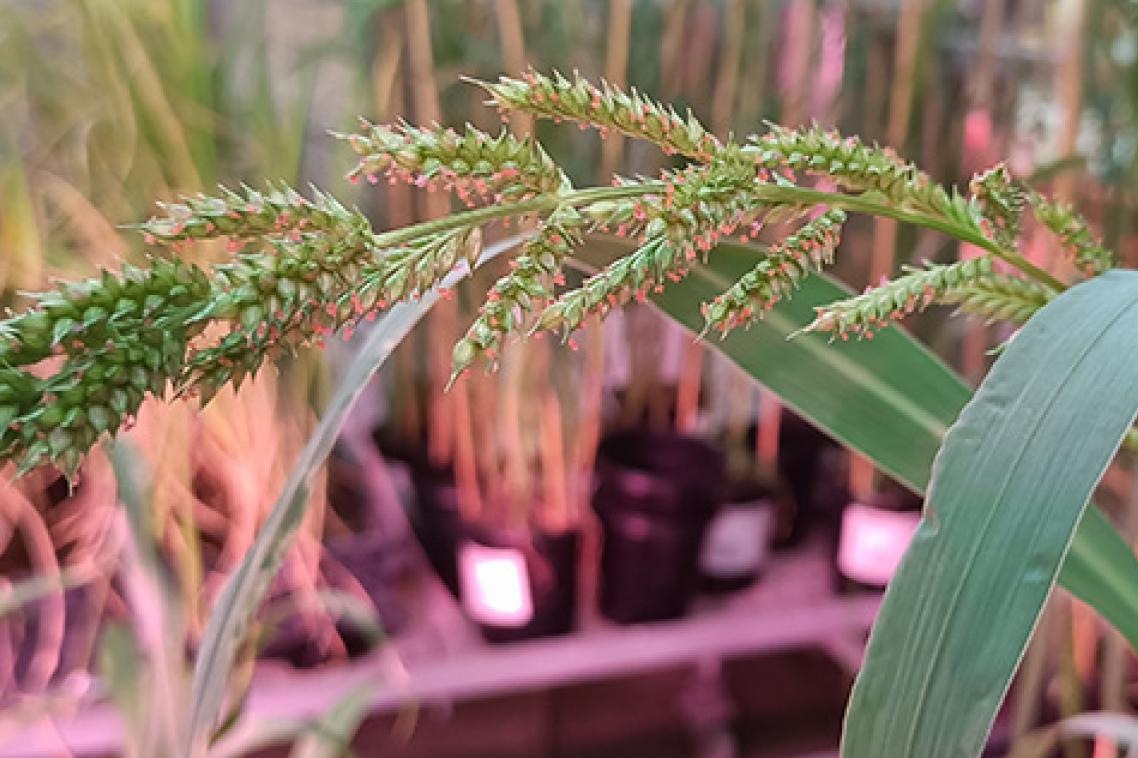
Researchers from The University of Queensland hope wild millet from outback Australia’s Channel Country could help feed the world as climate change impacts established grain crops.
PhD candidate and Global Change Scholar Rahul Chandora at the Queensland Alliance of Agriculture and Food Innovation is working with the Centre of Excellence for Plant Success and Mithaka Corporation to analyse the genome of Echinochloa turneriana or Channel millet.
Mr Chandora said Channel millet grows in the border region between Queensland, the Northern Territory, South Australia and New South Wales.
“Millet has great potential to diversify our traditional diet as it’s highly nutritious, highly adaptive, climate-resilient and gluten-free,” he said.
“Millets are cultivated on all continents, particularly in India and Africa, but use of the crop is still confined to Indigenous communities – we want to see it become mainstream.”
For the first time in Australia, a plant genetics study is being undertaken in collaboration with an archaeological project.
Mr Chandora said Channel millet may once have been an important food for the Mithaka people of central Australia, something that may be confirmed by his research and a project called Testing the Dark Emu hypothesis.
“Domesticated millet species have lower yields than other cereals and production is affected by issues like lodging, seed shattering and seed size.
“If we can find out more about Channel millet’s genetics, we can identify favourable traits and use gene editing technology to rapidly domesticate it.
“We hope then to expand the gene pool of farmed millet and eventually shift our reliance from cereals like rice, wheat and maize.”
The research team will also look at the conservation and management of Channel millet.
“Because this is a wild species, we need to conserve it in its natural habitat and to collect and store it in seed banks as well,” Mr Chandora said.
“Climate change will mean genetic resources like this could erode very quickly and without a concerted effort, we won’t have access to them in the future.
“We need to find new crops to meet the nutritional needs of the world’s rapidly growing population and that makes this very important and interesting work.”
The United Nations has recognised the potential of the crop and declared 2023 the International Year of Millets.
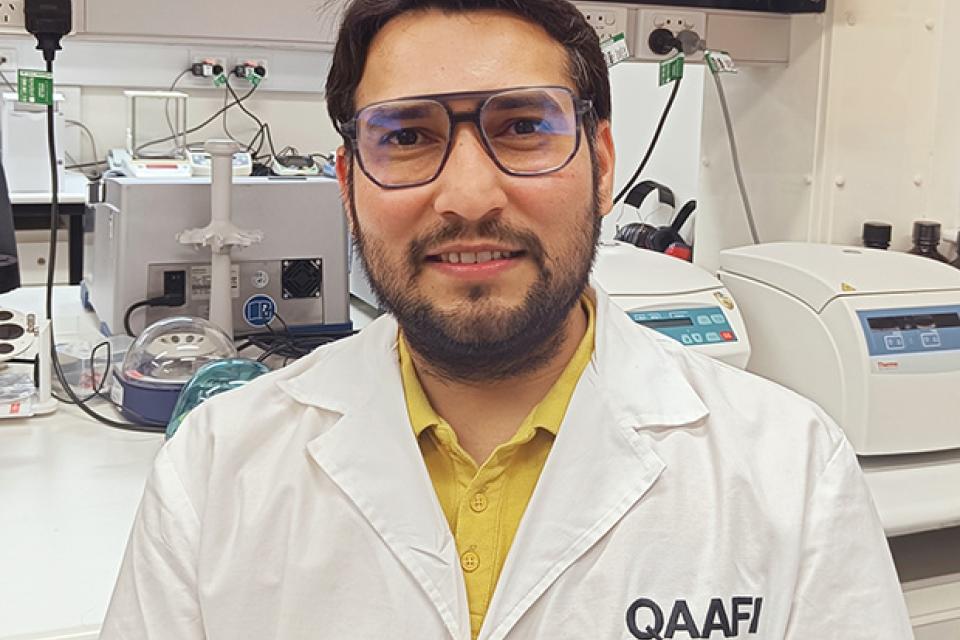
Image above left: UQ PhD candidate Rahul Chandora.
Images are available via Dropbox.
Media: Rahul Chandora, r.chandora@uq.edu.au, +61 410 739 735; QAAFI media, Natalie MacGregor, n.macgregor@uq.edu.au, +61 409 135 651.
Related articles

UQ’s QARC wins at Engagement Australia Awards
