
A new approach to understanding Aboriginal foodways
A University of Queensland-led research team says the key to a more sustainable food future may be a better understanding of ancient Indigenous food production systems.
Their ARC Discovery project ‘Testing the Dark Emu hypothesis’ combines bioarchaeology, archaeobotany, palynology, ethnobotany and plant genetics in partnership with Indigenous communities to challenge existing perspectives.
UQ bioarchaeologist Associate Professor Michael Westaway said transdisciplinary research was needed to confirm whether Aboriginal communities were farmers rather than foragers, with evidence of early aquaculture and possibly cultivation.
“We’re working closely with Indigenous communities, because Aboriginal people are increasingly keen to gain insights into how their people cared for Country and developed these types of sustainable food production systems,” Dr Westaway said.
“We’ve found extensive evidence the largest forager quarries in the world were in western Queensland, where the Mithaka people extracted stone slabs to make grinding stones for processing seeds.
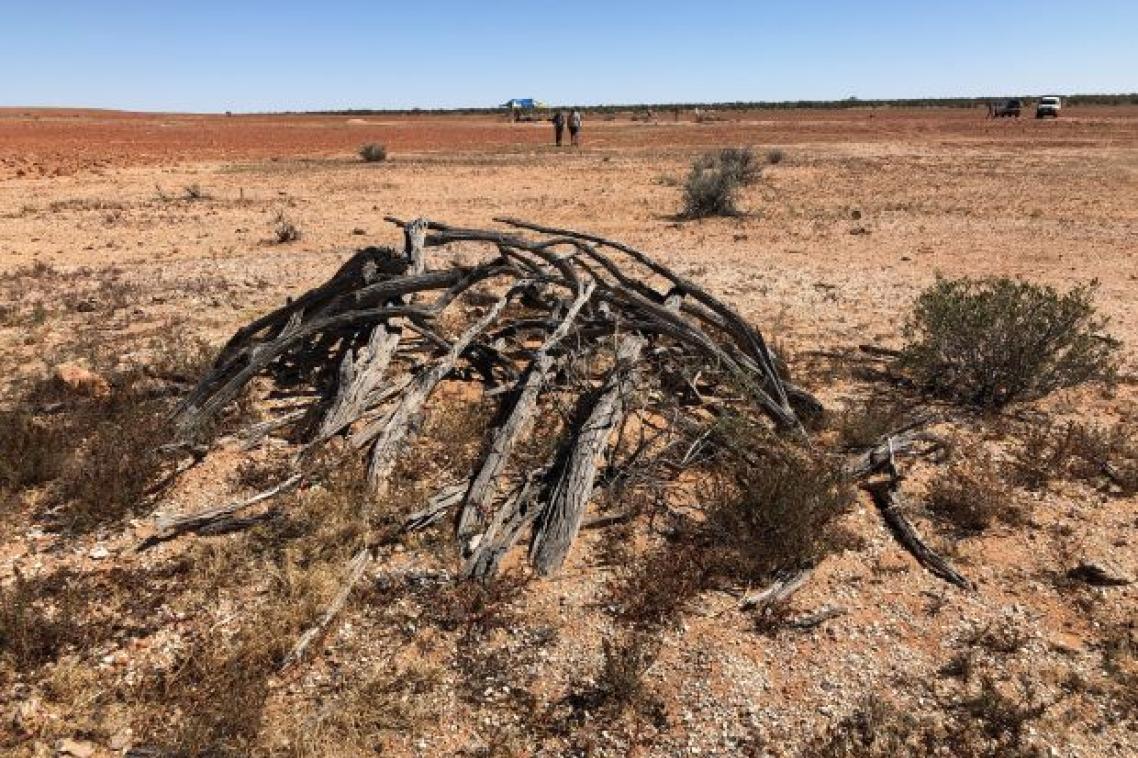
“We’ve also excavated the fireplaces of gunyahs, traditional Aboriginal huts, and found remnants of burned carbonised seeds, which archaeobotanists are now examining to identify the species.”
“The ethnohistory shows us that Aboriginal people would prepare for a big flood by burning the surrounding riverine plains, to increase the productivity of the landscape,” he said.
“By identifying carbon peaks in the cores from the lake beds, we can learn about the timing of the burnings.
“We believe we’re seeing records that indicate domestication of landscapes, which is an exciting element.”
The research team has also looked at plant genetics, including drought resistance.
UQ Professor of Innovation in Agriculture Robert Henry said a methodical, transdisciplinary approach was necessary to reveal the complete story of ancient Indigenous food production.
“I’m looking at the contemporary flora and how the plants there now might have been changed by humans over time,” Professor Henry said.
“These can include changes in seed size or whether the plant would have been edible and trying to link that with the archaeological findings.
“This is significant from an agricultural point of view, as there may have been practices in the past that are useful to know about for the future.
“Climate change means we will have to adapt agriculture to new climates, as they did in the past.”
Dr Westaway said the research had the potential to open new ways of thinking about using native flora in a more sustainable way, that would support new industry.
The research is published in Archaeology of Food and Foodways.
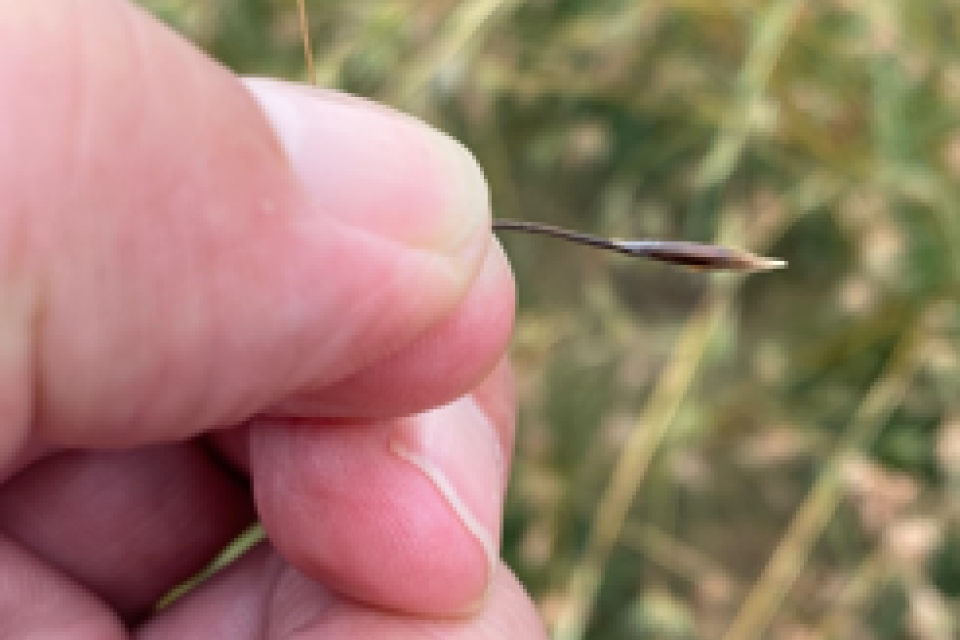
Image above left: closeup of grain on Country.
Media: Associate Professor Michael Westaway m.westaway@uq.edu.au, +61 7 3365 4483; Professor Robert Henry, Robert.henry@uq.edu.au, +61 7 3346 2445; QAAFI Media, Natalie MacGregor, n.macgregor@uq.edu.au.
Related articles

UQ’s QARC wins at Engagement Australia Awards
