
Chilled out tadpoles defy climate odds
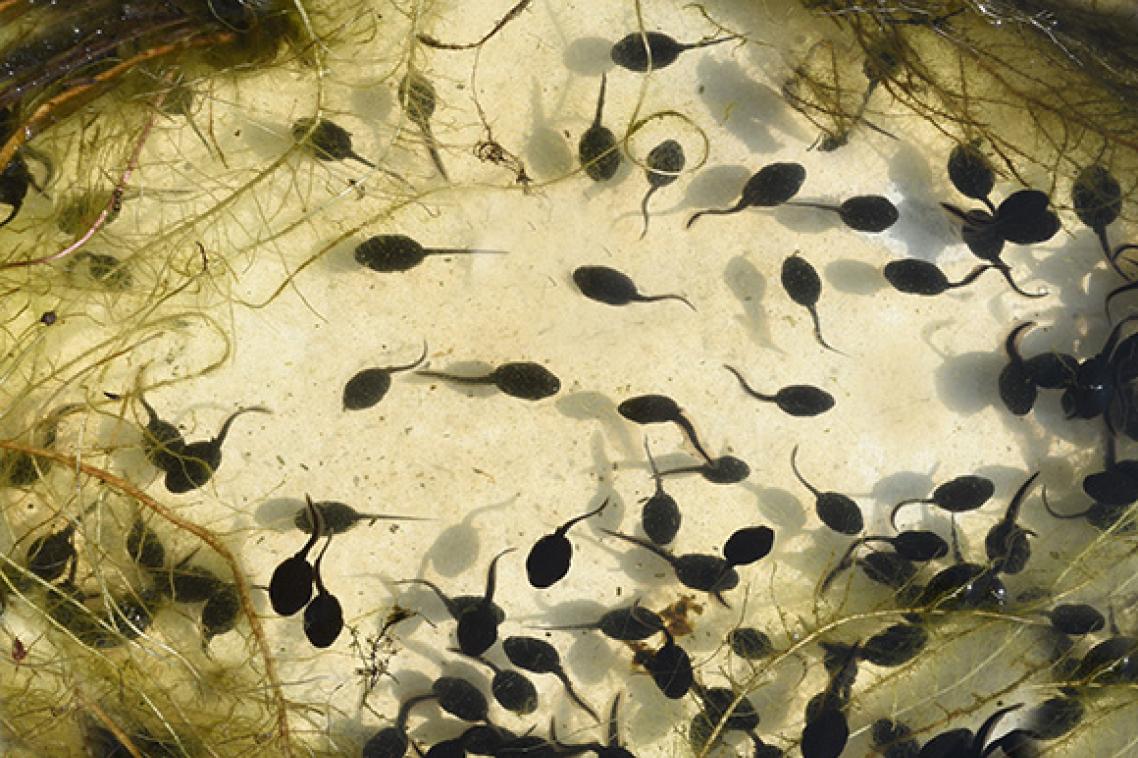
University of Queensland researchers have discovered a previously unknown mechanism that allows tadpoles in cold environments to mitigate the detrimental effects of ultraviolet (UV) radiation.
The study, led by Coen Hird from UQ’s School of the Environment, challenges previous assumptions about the vulnerability of amphibians to climate change and sheds light on their remarkable resilience.
“Amphibians are particularly vulnerable to UV exposure, experiencing increased mortality, defects, slowed development, DNA damage, physiological changes and reduced fitness,” Mr Hird said.
“Traditionally it was thought high UV levels combined with cool temperatures had severe impacts on amphibian health.
“But our study reveals tadpoles raised in cold environments can counteract the negative effects of UV exposure on DNA damage by acclimating to the conditions.”
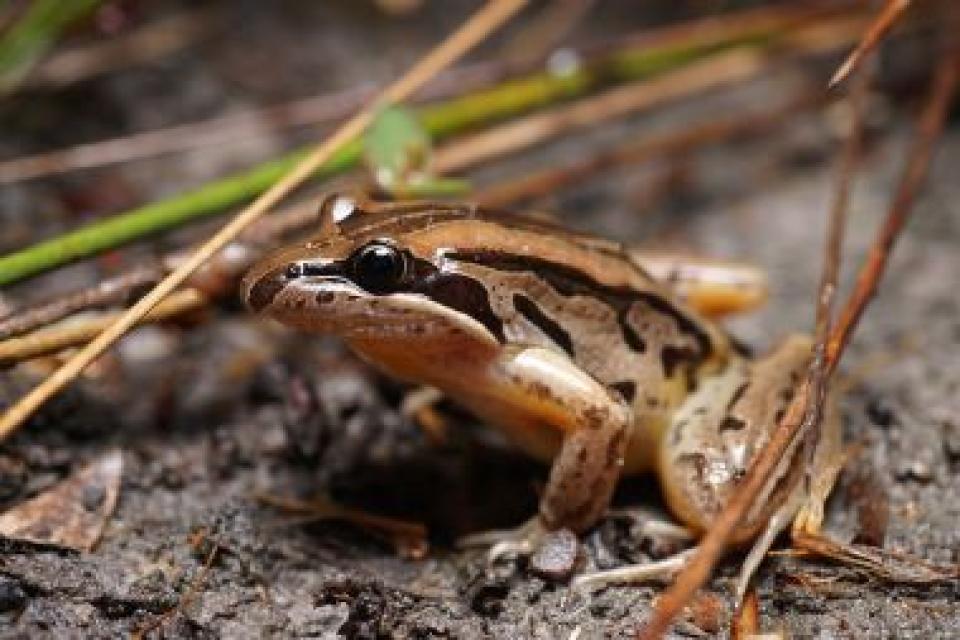
The researchers used the larvae of the Striped Marsh Frog, a species found in diverse climates across Australia, and known for thriving in wet habitats like lakes and ponds.
“The tadpoles exposed to UV in cooler temperatures were able to completely compensate for UV-induced damage, through thermal acclimation,” Mr Hird said.
“This suggests that as climate change and ozone depletion continue to modify temperatures and UV exposure, species with greater capacity for acclimatisation may be more resilient.”
The researchers also looked at what was driving the acclimation.
“We expected to find that because tadpoles reared in cold temperatures turned very dark, the melanin produced to make that transformation protected their DNA against UV radiation,” Mr Hird said.
“But to our surprise, we discovered this was not the case at all.
“Instead, the tadpoles likely alter or increase their DNA repair enzymes to counteract the impact of cold temperatures on UV-induced DNA damage.
"This opens the door to a new understanding of how amphibians adapt to changing environments and is testament to their resilience in the face of climate challenges."
Mr Hird said the research findings are significant.
“Conservationists can now include this capacity for acclimatisation when forecasting how amphibians will react to changing climates and land use,” he said.
“There may also be broader implications for understanding how various species adapt to environmental changes, offering hope for the conservation of vulnerable ecosystems worldwide.”
The research is published in the Journal of Thermal Biology and JEZ-A Ecological and Integrative Physiology.
Above left: A Striped Marsh Frog. Image: Ben Revell.
Media: Mr Coen Hird, coen.hird@uq.net.au, +61 409 258 537; UQ Faculty of Science Media, science.media@uq.edu.au, +61 432 162 687.
Related articles

UQ nutrition trial targets healthier piglets with fewer antibiotics
