
UQ develops new drug for sepsis
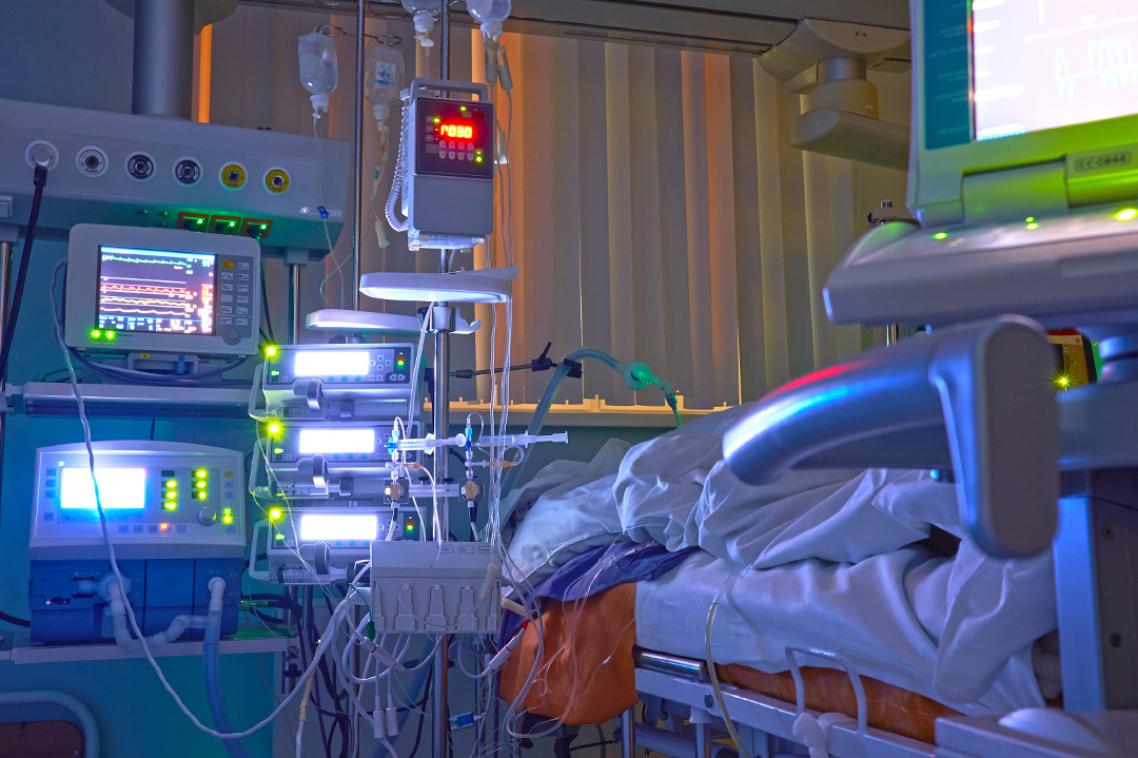
(Photo credit: Adobe. )
A new drug could prevent sepsis-related organ failure and death by restoring the health of a patient’s blood vessels.
Researchers from The University of Queensland and the Queensland Children’s Hospital (QCH) have successfully tested the first-in-class drug in mice.
Dr Mark Coulthard from UQ and the QCH’s Paediatric Intensive Care Unit said results from pre-clinical testing using human blood samples were also promising.
“The reason for organ failure in sepsis patients is because the endothelial cells lining blood vessels become leaky, resulting in abnormal fluid shifts which ultimately shut down the blood supply,” Dr Coulthard said.
“We have identified markers for vascular damage in children admitted to hospital with fever and suspected infection, and the protein-signalling pathways associated with this in the cells.
“The drug we have developed targets these interactions, to restore the function of vascular endothelial cells.”
Professor Trent Woodruff from UQ’s School of Biomedical Sciences said the new approach addressed an underlying cause of organ failure, while previous unsuccessful attempts had focused largely on the immune response.
“Sepsis is referred to as the ‘graveyard for the drug companies’ because despite the investment of significant resources and more than 100 clinical trials, there is still no effective treatment which modifies the host response,” Professor Woodruff said.
“A drug that targets and restores the vascular endothelium would potentially reduce sepsis-induced organ damage and death.”
Dr Coulthard said the researchers were encouraged by the results of pre-clinical testing.
“We tested our drug on blood samples from 91 children admitted to hospital with fever and suspected infection, and noted changes in the biomarkers similar to those in our mouse studies,” he said.
“This suggests the drug could be effective in humans as well.
“Further research is needed including investigating the drug in other animal models and its effectiveness in a clinical trial.”
The research team also included Dr Nemat Khan from UQ’s School of Biomedical Sciences and was supported by funding from Australian National Health and Medical Research Council, The University of Queensland and the Children’s Hospital Foundation.
The research paper was published in Science Translational Medicine.
Related articles

Research on AI in courts takes the win at UQ’s 2026 3MT Final
