Potential new treatment pathway for bladder cancer
Key points
- UQ researchers found that bladder cancer releases a protein called TGF-β to suppress the immune system’s natural killer (NK) cells
- NK cells are components of the immune system that naturally attack cancer cells and are a focus of emerging cancer treatments
- locking the TGF-β protein may offer a new therapy for some of the worst types of the cancer
University of Queensland research could lead to a more effective immunotherapy treatment against bladder cancer.
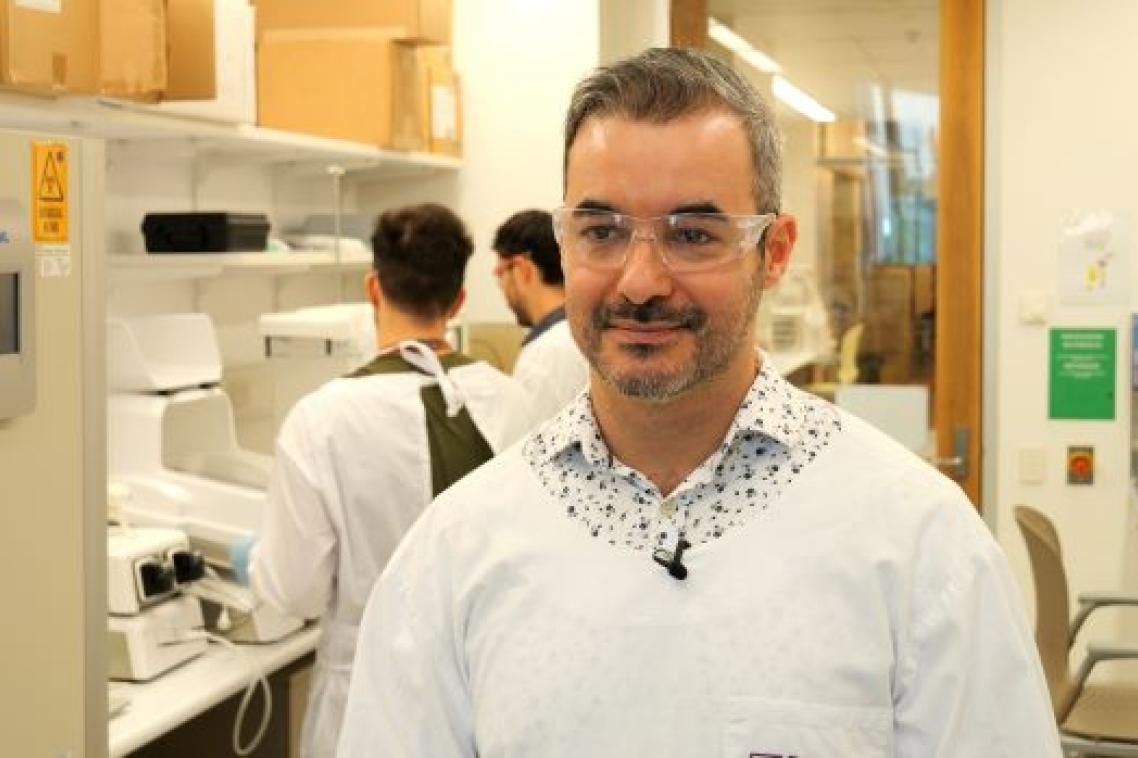
A team led by Associate Professor Fernando Guimaraes from UQ’s Frazer Institute has found the mechanism used by bladder cancer to suppress the immune system’s natural killer (NK) cells.
“We found that cancer suppresses immune cells by releasing a protein called TGF-β – and blocking that protein may offer a new therapy for some of the worst types of the cancer,” Dr Guimaraes said.
“NK cells are components of the immune system that naturally attack cancer cells and are a focus of emerging cancer treatments, including antibody-based immunotherapies.
“Our research is also a step towards clinical trials to explore the effectiveness of TGF-β inhibitors combined with NK cell-based therapies.
“Our work is all about unlocking the power of immunotherapy and our hope is that this leads to new bladder cancer therapies within 3 to 5 years.”
Bladder cancer is the ninth most common malignancy in the world – in 2023 more than 3000 people were diagnosed in Australia, with more than 1000 deaths.
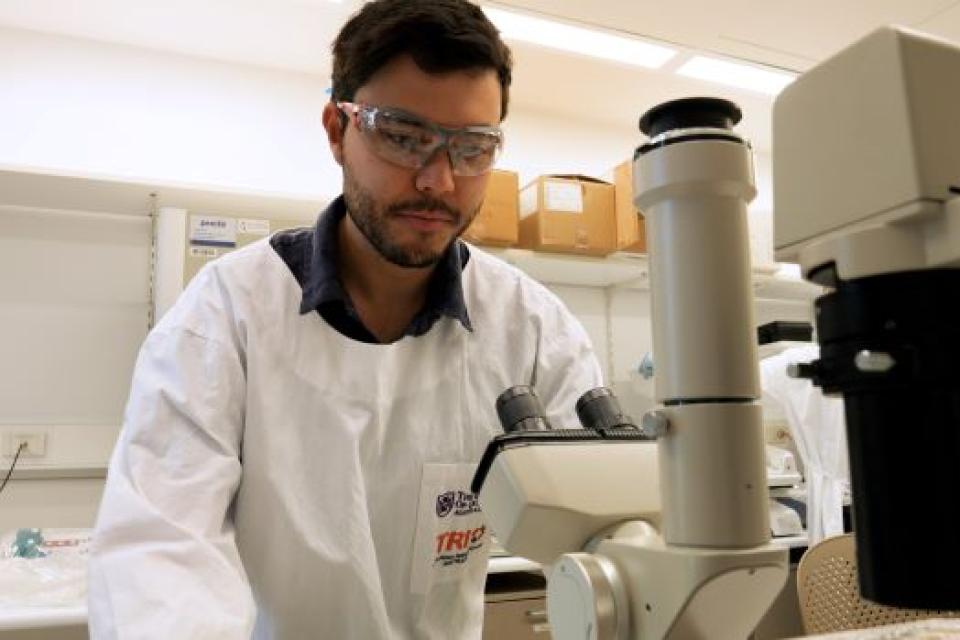
The bladder cancer immune suppression mechanism was discovered by Dr Guimaraes’ PhD candidate Joshua Wong while working at Queensland’s Translational Research Institute (TRI).
“It really was a eureka moment and it’s extremely motivating to come in here every day and do your best work, because ultimately we are trying to find a cure for cancer,” Mr Wong said.
The standard treatment for early-stage bladder cancer remains endoscopic surgery, occasionally combined with chemotherapy or immunotherapy.
For advanced forms of the disease, more invasive surgery or radiotherapy is combined with chemotherapy or immunotherapy, which is associated with significant ill health and life-long impacts on quality of life.
The UQ team collaborated with Princess Alexandra Hospital urologists including Dr Handoo Rhee, Professor Eric Chung and Dr Alice Nicol.
The research was published in The Lancet’s eBioMedicine.
Related articles

From cooked breakfast to their own TV, aged care residents need to watch for extra fees