
Grim statistics on koala survival odds
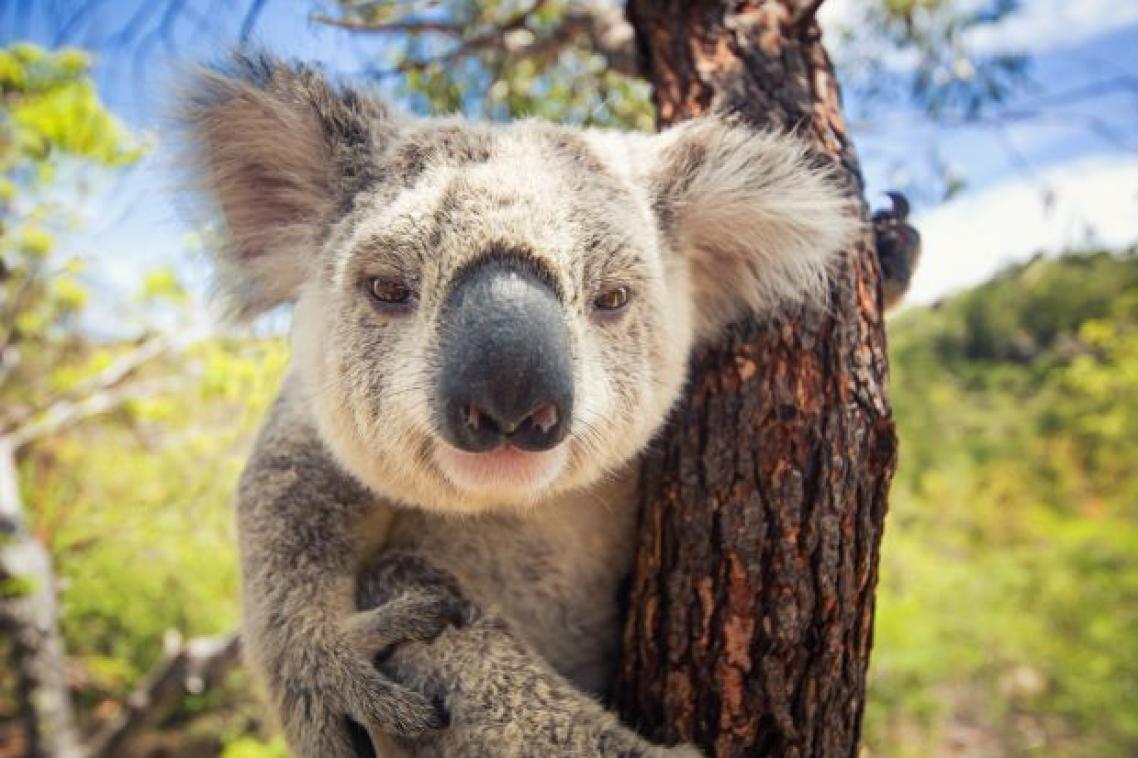
Records of koala admissions to veterinary hospitals in South East Queensland show euthanasia was the most common outcome, according to University of Queensland research.
PhD candidate Renae Charalambous and colleagues at UQ’s Faculty of Science analysed the records of more than 50,000 koala sightings and hospital admissions between 1997 and 2019.
“Diseases like chlamydia make up almost 30 per cent of vet hospital admissions, followed by a multitude of threats stemming from habitat loss, including dog attack and motor vehicle strike,” Ms Charalambous said.
“Only 25 per cent of koalas rescued and admitted to hospital went on to be released into suitable habitat.
“Many of the animals died before arriving at a vet hospital and those that did make it were often euthanised on the grounds of welfare, despite vets and carers doing their best to save them.”
Koalas who’d been hit by cars made up nearly 20 per cent of overall admissions but were four times more likely to be found dead than treated by a vet and released.
"Those that made it to an animal hospital after car strike were almost three times more likely to be euthanised than released,” Ms Charalambous said.
“Seven percent of the koalas admitted to hospital had been attacked by dogs but were twice as likely to be found dead, and if they were taken into care alive, they were twice as likely to be euthanised than released.
“These are pretty grim statistics so the future for koalas looks bleak.”
The study also found adults, females, and those with chlamydia were at higher risk of being euthanised than released.
In February 2022, the conservation status of the iconic marsupial was changed from vulnerable to endangered in Queensland, after estimates their numbers had halved over the last decade.
Ms Charalambous said understanding these distinctive challenges was important to informing future conservation plans for east coast koalas.
“It’s not too late to restore the region’s healthy koala populations and this is a great opportunity to holistically address and minimise the threats they face,” she said.
“I hope this research sheds light on policy gaps so decision makers can target intervention strategies to save the koalas we have left.”
Ms Charalambous acknowledges the valuable contributions of UQ’s Dr Kris Descovich and Dr Edward Narayan to the research.
The research was published in Society and Animals.
Media contact
UQ Faculty of Science Media
science.media@uq.edu.au
+61 438 162 687
Related articles

Human-like AI not always the answer in customer service
