
Vaccine centre aimed at accelerating global research efforts
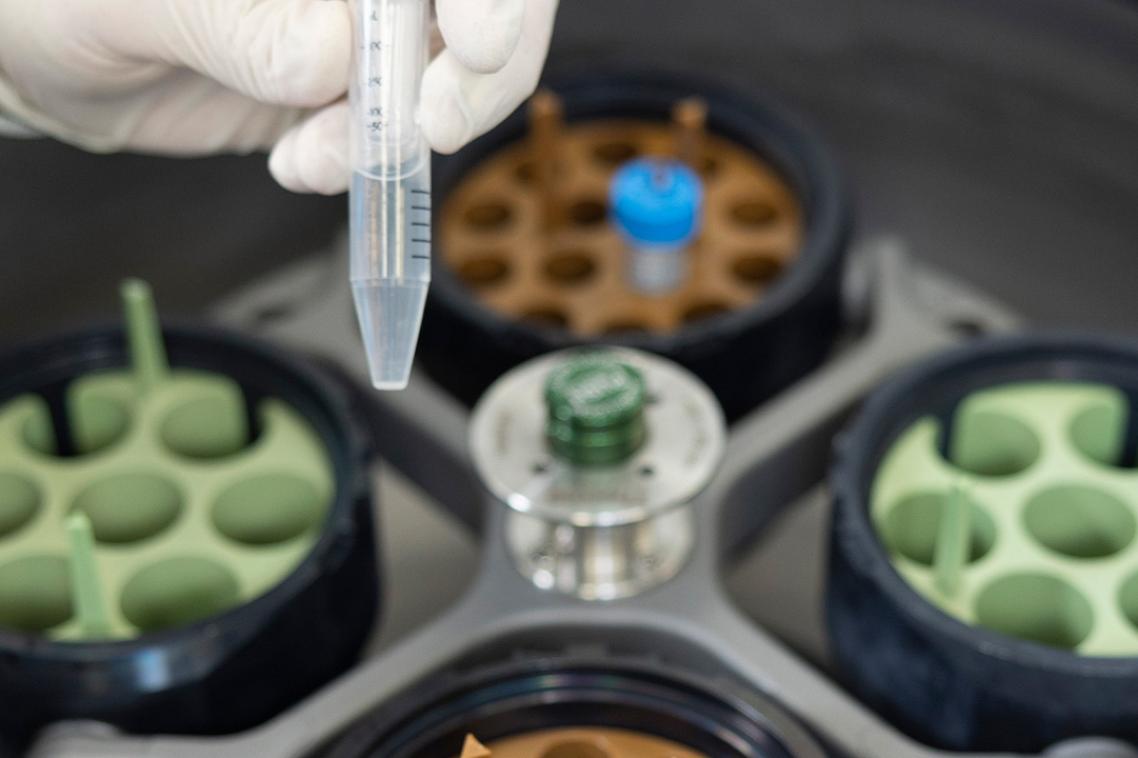
Vaccines for intractable diseases, such as Japanese encephalitis, and therapeutic vaccines for viral-mediated cancers, are some of the ambitious targets for a new centre in Australia.
To be based at The University of Queensland in Brisbane, The Queensland Emory Vaccine Centre (QEVC) is a A$32 million (US$20 million) partnership with Emory University in Georgia, United States.
“The COVID-19 pandemic highlighted the need for vaccine centres around the world where we can advance vaccine candidates and get them rapidly from the bench to the clinic, which is where the real hurdles lie,” says University of Queensland microbiologist, Daniel Watterson, a co-inventor of the ‘molecular clamp’ vaccine technology.
Rafi Ahmed, director of the Emory Vaccine Center at Emory University in the United States, adds that that QEVC will serve as a foundational link in a growing global network of vaccine research centres.
Molecular clamps
The molecular clamp platform technology1 came to global attention during the pandemic for its ability to stabilize viral surface glycoproteins of a number of different viruses, including the COVID-19 spike protein.
The platform was backed by the Coalition for Epidemic Preparedness Innovation (CEPI) — a foundation based in Oslo, Norway — prior to the COVID-19 pandemic. The University of Queensland-CEPI COVID vaccine program also received financial support from the Australian and the Queensland governments, and more than 2,600 university alumni, community members, foundations and corporations.
One of the challenges in manufacturing a vaccine from these surface proteins is that they go through many structural changes upon binding to receptors, meaning that their final form may be significantly different to how they appear on the viral surface to the immune system.
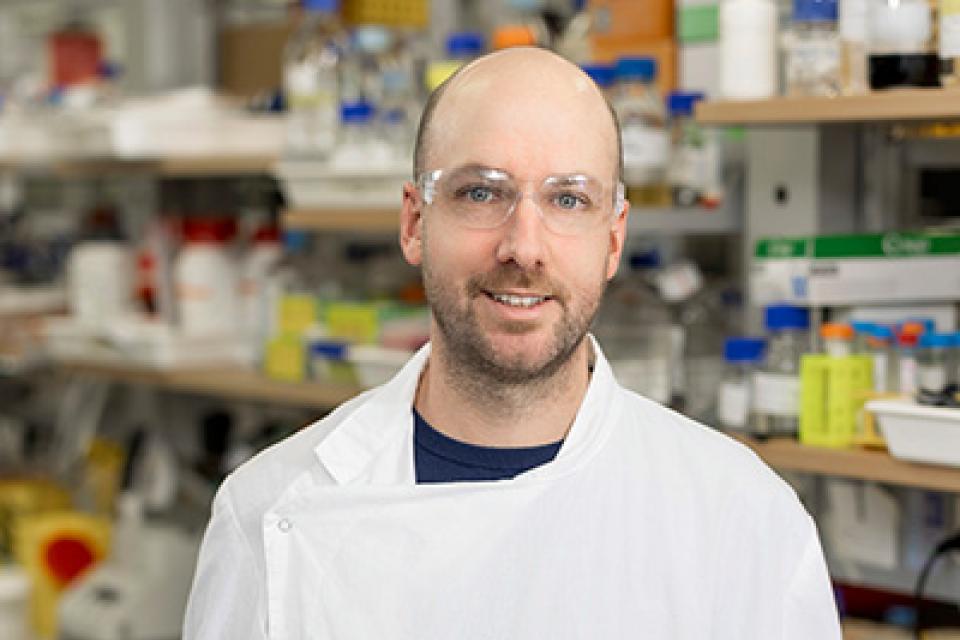
Daniel Watterson, one of the co-inventors of the molecular clamp vaccine technology.
By using molecular clamp technology to ‘lock’ these proteins in their original form, researchers can use them as the basis of a subunit vaccine that induces the body to raise an immune response.
The molecular clamp technology was exclusively licensed to University of Queensland start-up company Vicebio Limited prior to the pandemic. In 2024, Vicebio received investment of US$100 million to begin Phase 1 clinical trials for vaccines for major respiratory pathogens – respiratory syncytial virus (RSV) and human metapneumovirus (hMPV).
“My team is now focused on other viruses and other vaccine platforms, and understanding how viruses interact with the immune system in order to make better vaccines and therapies,” says Watterson.
Watterson says the new facilities at QEVC will enable his team to expand their work into arboviruses, such as dengue fever and Japanese encephalitis, which could help inform vaccine work in the event of future pandemic threats.
Working together
The centre is a culmination of a decade of collaborative research between The University of Queensland and Emory University, and will also involve work with industry partners such as global pharmaceutical company, Sanofi, and Brisbane-based biotech, Vaxxas.
“It takes advantage of Queensland’s capabilities in design and production of vaccine candidates, as well as Emory’s capabilities in rapid clinical testing of vaccines,” explains Trent Munro, director of biotechnology innovation at The University of Queensland.
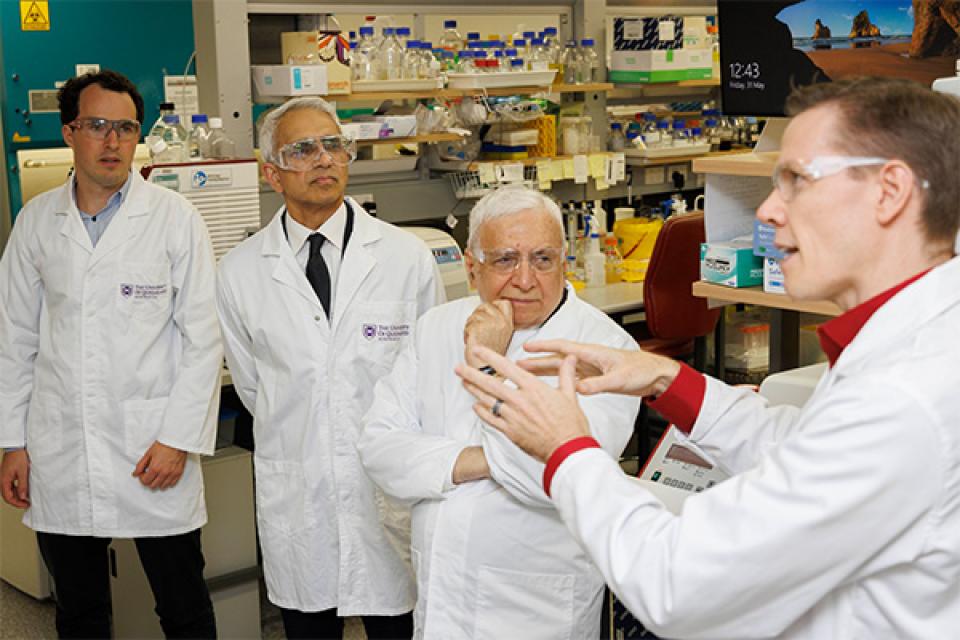
Rafi Ahmed (second from right), director of the Emory Vaccine Center in the United States and Ravi Thadhani (second from left), executive vice president for health affairs at Emory University, visiting colleagues at UQ.
An important role for the new centre will be analysing immune responses after vaccination or infection. Ahmed says this will help researchers develop a better understanding of how humans respond to vaccines from the immune perspective.
“Sanofi, for example, is developing a vaccine for chlamydia, which is nearing the clinical trial stage. We will help them with testing after vaccination, analysing the immune response to the vaccine,” says Ahmed.
Another area of collaboration will be therapeutic vaccines for viral mediated cancers, such as human papilloma virus (HPV). Researchers at the Emory Vaccine Center are working on HPV head and neck cancer and extending those studies to HPV cervical cancer.
As well as the vaccines themselves, QEVC researchers will collaborate with industry partners on alternative methods of delivering vaccines into the body, which do not involve needles and syringes.
“Vaxxas is developing a needle-free skin patch which delivers the vaccine to the immune cells just below the skin’s surface,” say Munro. “It is potentially a more targeted and efficient way of delivering vaccines,” says Munro.
Vaxxas’ high-density microarray patch (HD-MAP) technology also has thermostability benefits that could reduce refrigeration requirements, making vaccines more accessible globally.
The QEVC, which is based at the university’s St Lucia campus in Brisbane, will house more than 80 researchers and is expected to officially open in 2026.
Related articles

What makes a winning environmental campaign? We studied six decades of activism to find out
