
UQ team finds relative of deadly Hendra virus in the US
Researchers at The University of Queensland have identified the first henipavirus in North America.
Dr Rhys Parry from the School of Chemistry and Molecular Biosciences said Camp Hill virus was confirmed in shrews in the US state of Alabama.
“Henipaviruses have caused serious disease and death in people and animals in other regions,” Dr Parry said
“One of the most dangerous is the Hendra virus, which was first detected in Brisbane, Australia and has a fatality rate of 70 per cent.
“Another example is Nipah virus which has recorded fatality rates between 40 and 75 per cent in outbreaks in South-East Asia, including in Malaysia and Bangladesh.
“The discovery of a henipavirus in North America is highly significant, as it suggests these viruses may be more globally distributed than previously thought.”
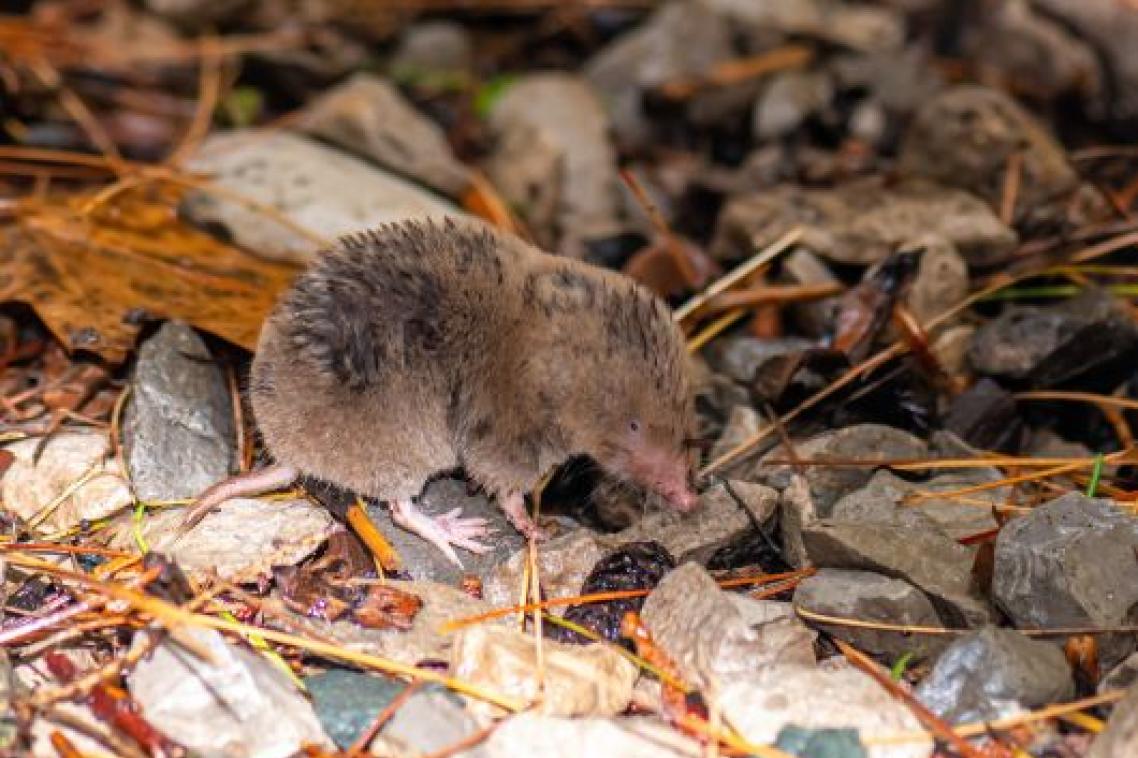
Camp Hill virus was found in northern short-tailed shrews, a small mammal with wide distribution across Canada and the US.
Dr Parry said more research was needed to understand if it was a threat to people.
“The closest known henipavirus to Camp Hill virus that has caused disease in humans is Langya virus, which crossed from shrews to humans in China,” Dr Parry said.
“This indicates that shrew-to-human transmission can occur.”
Co-author Dr Ariel Isaacs said developing vaccines for the virus family was a focus for UQ researchers.
“The next step for this work is to characterise key surface proteins on the virus that are involved in cell entry to broaden our understanding of the virus family and identify better ways to protect against it,” Dr Isaacs said.
The research was completed with help from UQ’s Dr Naphak Modhiran and Professor Daniel Watterson, along with members of the Professor Wendy R. Hood lab at Auburn University and members of The Gorbunova and Seluanov Laboratory at the University of Rochester.
The research was published in the article Henipavirus in Northern Short-Tailed Shrew, Alabama, USA.
Related articles

UQ nutrition trial targets healthier piglets with fewer antibiotics
