
‘Culturally unsafe’ healthcare putting Indigenous youth at risk
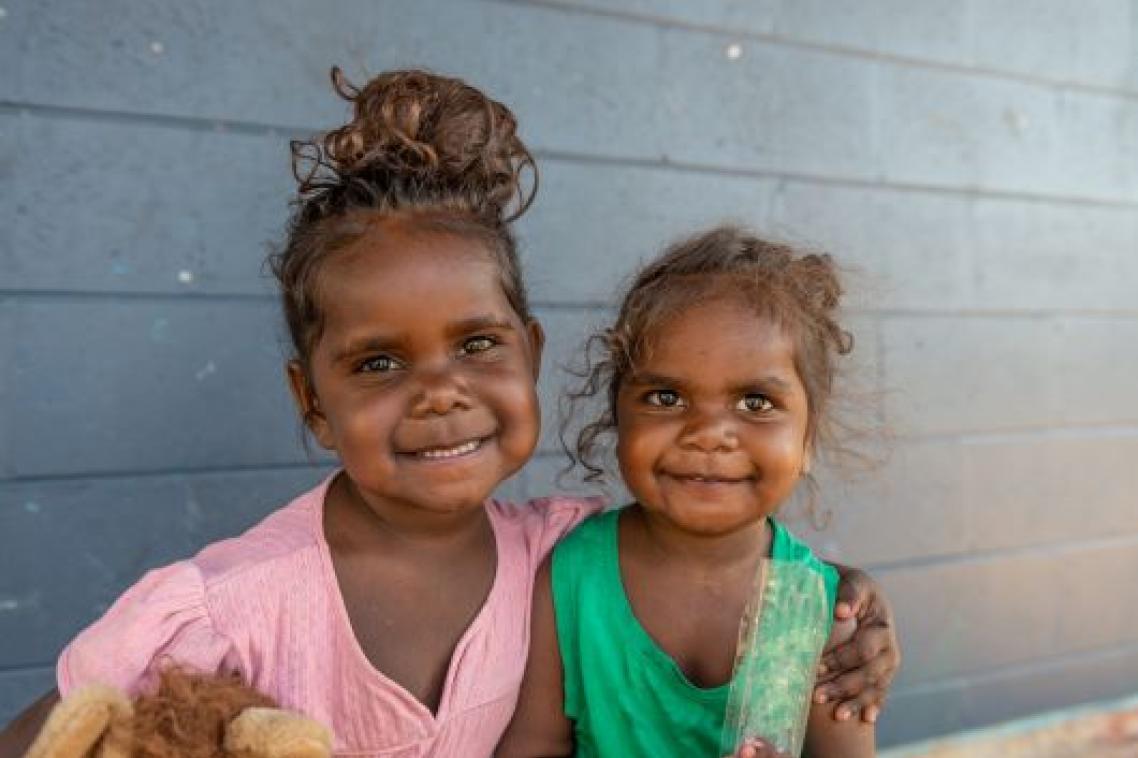
Indigenous children and young adults are dying from rheumatic heart disease due to ‘culturally unsafe’ and inaccessible healthcare in Australia, University of Queensland researchers have found.
Ms Lorelle Holland from UQ’s Child Health Research Centre said urgent action prioritising Indigenous-led prevention programs was needed to meet a national strategy to eliminate the disease by 2031.
“Aboriginal and Torres Strait Islander communities suffer from rheumatic heart disease (RHD) much more than non-Indigenous Australians,’’ Ms Holland said.
“This research reinforces that programs should address health inequities and the political, social and cultural factors that contribute to the disease.
“Culturally safe healthcare that respects Aboriginal and Torres Strait Islander cultures and perspectives is essential.
“By understanding and tackling RHD in this way, we can help reduce the number of people affected and dying from this condition and empower self-determined health care and prevention programs for Indigenous communities.’’
RHD is an acquired but preventable heart disease, with more than 40 million cases worldwide.
The cause of RHD is complex but is linked to a type of bacteria called streptococcus A that can infect the throat or skin.
If these infections aren't treated, they can lead to acute rheumatic fever (ARF), which can then cause RHD, which can lead to major health problems like heart failure and stroke.
Australia has one of the highest incidences of ARF and RHD in the world with a disproportionate disease burden on Aboriginal and Torres Strait Islander communities.
The RHD Endgame Strategy seeks to eliminate the disease in Australia by 2031.
The UQ research was a systematic review exploring the effectiveness of prevention programs to prevent, reduce and control RHD.
Yumeng Cai, a senior research assistant from UQ’s School of Nursing, Midwifery and Social Work, said RHD was common in poorer countries but almost unknown in urban and well-resourced settings within Australia and was preventable with the right healthcare and research.
“To achieve this, we need to focus on Indigenous-led and community-based prevention programs,’’ Ms Cai said.
“We need to address why people do not feel safe going to their local health clinic or hospital for essential treatment.
“We need to prioritise increased funding for improved living conditions, Strep A vaccination, culturally responsive health education and have Aboriginal and Torres Strait Islander peoples and communities at the table concerning the best way to implement ARF and RHD prevention programs.’’
The research is published in First Nations Health and Wellbeing – The Lowitja Journal.
Media Contact
UQ Communications
communications@uq.edu.au
+61 429 056 139
Related articles

UQ’s QARC wins at Engagement Australia Awards
