
Pregnancy blood test ‘rapid sensor’ can detect birth risks earlier
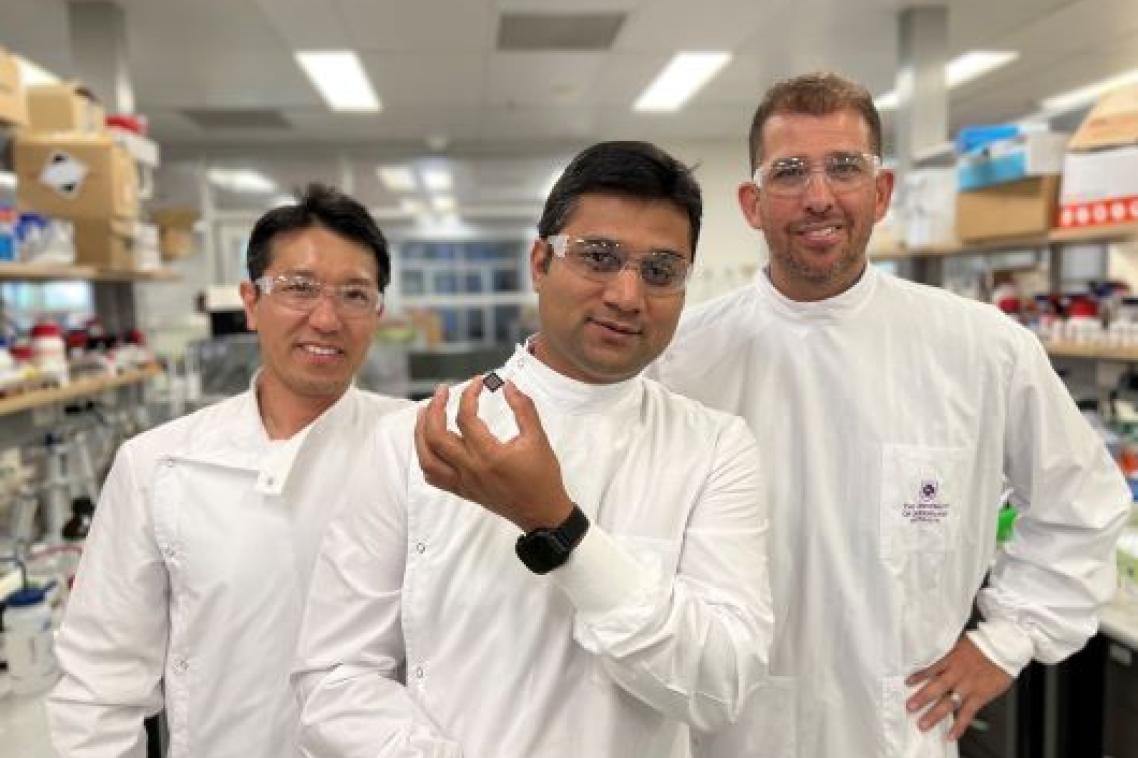
University of Queensland researchers have developed a new rapid sensor that can detect pregnancy complications, such as gestational diabetes, preterm birth risks and hypertension, as early as 11 weeks – with a simple blood test.
The ‘nanoflower sensor’ – which works by screening blood samples for cell biomarkers – could help reduce neonatal hospital admissions and save the healthcare system millions each year.
Professor Carlos Salomon Gallo from UQ’s Centre for Clinical Research said the sensor was able to detect health complications that usually aren't picked up until the second or third trimesters.
“During our study we collected blood samples from 201 pregnant women at 11-13 weeks gestation and we detected possible complications, such as preterm birth, gestational diabetes and preeclampsia, which is high blood pressure during pregnancy,” Professor Salomon Gallo said.
“These complications during pregnancy can have significant health risks, both in the short term and long-term.
“Currently, most pregnancy complications cannot be identified until the second or third trimester, which means it can sometimes be too late for effective intervention.
“However, with this technology, pregnant women will be able to seek medical intervention much earlier.
“We also found our biosensor has more than 90 per cent accuracy in identifying women at risk of developing pregnancy complications.”
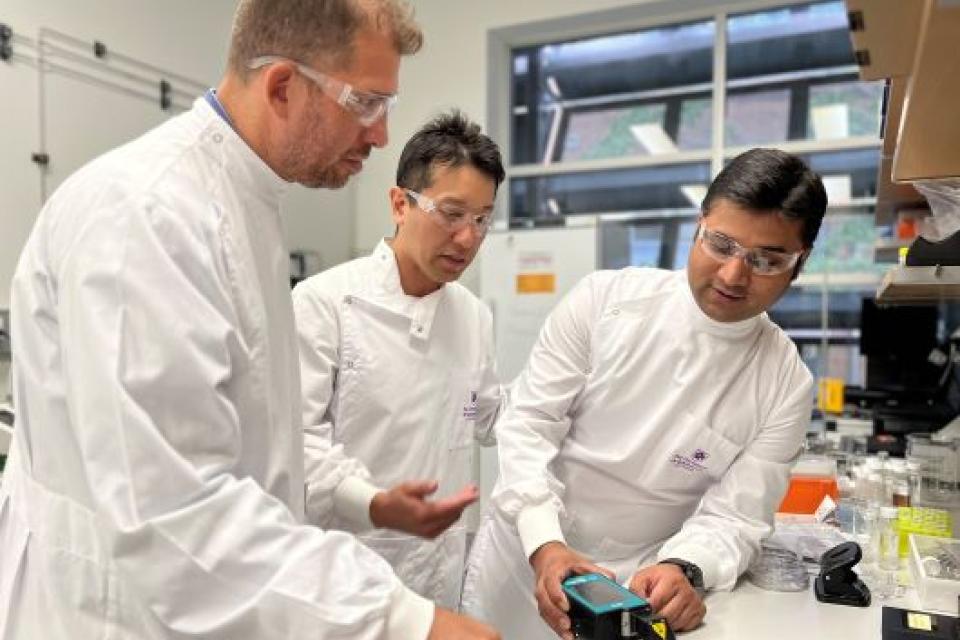
“This technology has been developed using nanomaterials to detect low concentrations of biomarkers, which are parts of our cells that show health complications we might be carrying,” Dr Masud said.
“This is what makes our technology more sensitive than current testing methods and why it can pick up potential pregnancy complications much earlier.”
Statistics from Australian Institute of Health and Welfare show about 30,000 babies born in Australia each year experience growth and developmental impairments due to pregnancy complications.
Professor Salomon Gallo said the technology could save the healthcare system millions annually by reducing neonatal intensive care unit admissions, which cost about $5000-$10,000 per day, and prevent emergency interventions, including caesarean sections which cost about $10,000-$20,000 each.
“This has the potential to revolutionise earlier risk assessment and interventions, improving clinical decision-making in obstetric care,” he said.
Professor Yusuke Yamauchi from AIBN, said he hoped the sensor would become widely available in pharmacies and through GP referrals.
“Once we’ve fully completed our research, this technology has the potential to significantly impact health care for mothers and their babies,” Professor Yamauchi said.
The researchers’ next study will include a clinical trial involving at least 2000 women.
The study was a collaboration between UQ’s Centre for Clinical Research, AIBN and Ochsner Medical Centre in New Orleans, with support by National Health and Medical Research Council , Cancer Council Queensland, JST-ERATO Yamauchi Materials Space-Tectonics Project and ARC Australian Laureate Fellowship.
The research is published in Science Advances.
Image above from left: UQ researchers Professor Carlos Salomon Gallo, Professor Yusuke Yamauchi and Dr Mostafa Kamal Masud with equipment that analyses results from the nanoflower sensor. Image: AIBN
Media contact:
UQ Communications
communications@uq.edu.au
+61 429 056 139
Related articles

Shaping the future of medicine: UQ Medical School turns 90
