
Dishwashing a source of microplastic pollution
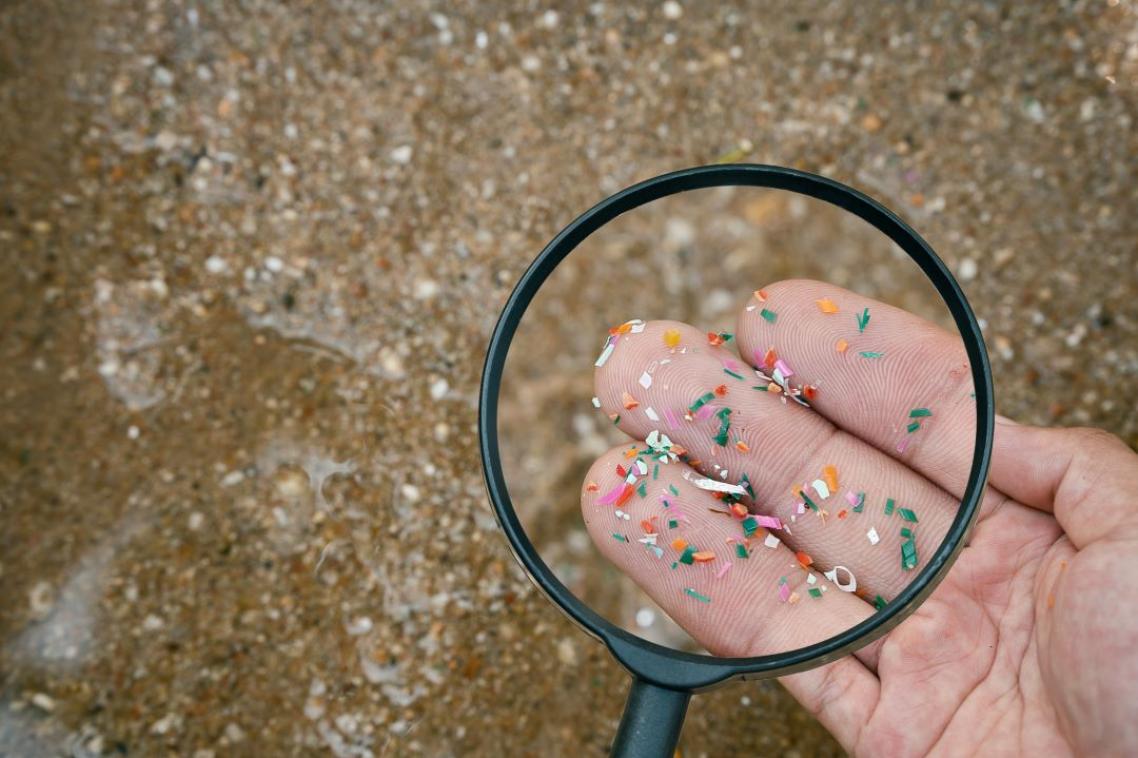
Microplastics in the environment can have adverse impacts on environmental and human health.
(Photo credit: Adobe )
Washing household plastic containers in a dishwasher releases nanoplastic and microplastic pollution into wastewater, University of Queensland researchers have found.
Dr Elvis Okoffo from UQ’s Queensland Alliance for Environmental Health Sciences said domestic dishwashers have so far been an unexplored source of plastic pollution.
“We demonstrated that plastic containers and utensils washed in dishwashers release plastic particles,’’ Dr Okoffo said.
“Even seemingly harmless everyday actions can have cumulative environmental consequences.
“The introduction of plastics into the environment carries a potential risk of adverse impacts on environmental and human health.
“This study highlights the need to be more mindful of the plastics we use, how we clean them, and how we dispose of them.’’
During mechanical dishwashing, plastic items are exposed to chemical, thermal and abrasive cleaning processes with high temperatures up to 70 degrees Celsius, detergent, and rinse cycles.
The study found a single dishwasher cycle containing a full load of common household plastic items could release about 920,000 micro and nano particles into wastewater – or 33 million particles per household per year globally.
The overall plastic mass equated to about 6 milligrams per person per year, or about a quarter of the weight of a grain of rice.
“Despite the high number of particles released, the total mass released from plastic containers is low and is minor compared to other known sources of plastic pollution,’’ Dr Okoffo said.
Dr Okoffo said 58 per cent of Australian households regularly used dishwashers and that future appliances could be fitted with built-in filters or traps to capture plastic particles to help reduce the amount of plastic entering wastewater and the environment.
“Plastic manufacturers could also develop plastics that are more resistant to degradation during dishwashing,’’ he said.
“Removing this pollutant before it can enter the environment is better than implementing costly measures after the pollutant has already been released.
“Small changes, when multiplied across millions of households, can help reduce the global burden of plastic pollution.’’
The research, 'Release of Micro- and Nanosized Particles from Plastic Articles during Mechanical Dishwashing' is published in American Chemical Society ES&T Water.
Topics
Related articles

Global guidelines needed to address inequities in endometriosis care
