
Egg injection leads to healthier chicks
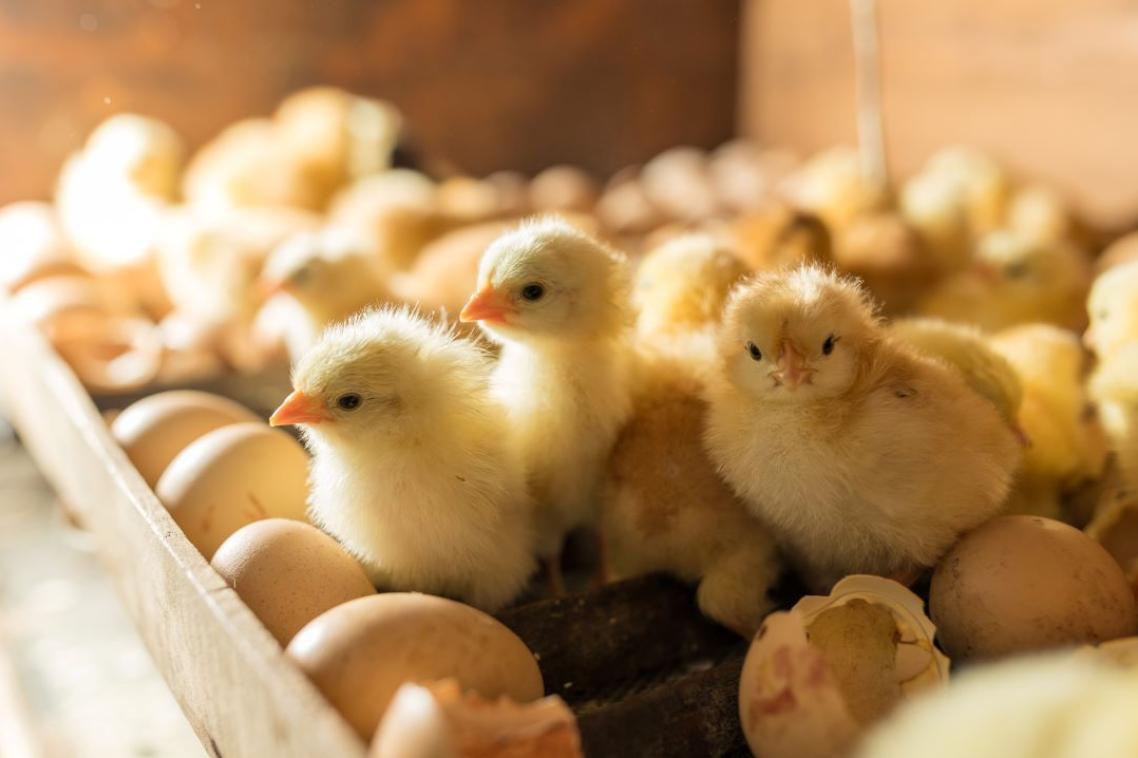
(Photo credit: Adobe stock )
An essential oil shows promise for improving the immunity of broiler chickens before they hatch, according to University of Queensland research.
Dr Mila Meijer from Queensland Alliance for Agriculture and Food Innovation injected oregano essential oil compounds into fertile eggs to test its impact and found that it had a positive influence on the developing chick’s immune system.
“Carvacrol is the main compound found in oregano and is the gold standard essential oil to improve health,” Dr Meijer said.
“It’s known to reduce inflammation when fed to mature chickens, so we wanted to see if it also worked in newly hatched chicks.
“To do that, we injected the compound into the amniotic fluid in the egg a few days before hatching.
“Most of the carvacrol migrates to the embryo’s yolk sac, which is connected to the developing gut.
“As the chick absorbs the yolk in the final days before hatching, carvacrol may be delivered directly into the intestine.
“We found the carvacrol activated the immune system in the chick, which could be very useful when a bird is in a health-challenging situation.
“Hatching healthier reduces the chance of chicks becoming sick within their first few weeks when the risk is higher.”
Dr Meijer said the technique could be implemented on farm for those who already use a similar system to vaccinate the chicks.
“Potentially we could combine this process of injecting essential oils with vaccination so that we don’t add an extra step for farmers,” Dr Meijer said.
The research is one of a series of projects aimed at improving the nutrition of chicks and hens.
Principal Research Fellow Professor Eugeni Roura said the process is part of the ‘intergenerational biology’ studies of his group.
“We’re trying to influence or improve the performance and the robustness of the young by improving the nutrition of the mother,” Professor Roura said.
“When we feed the broiler breeder hen we are thinking not only of the hen, but the embryo and the chicken, which is a gap that we’ve identified over recent years.
“The reduction on the use of essential antimicrobials that maintain the health and welfare of chicks will come with a more robust chicken, and that's one of the key aspects.
“It’s a simple concept and we’re still gathering additional results as part of the AgriFutures Chicken Nutrition, Gut Health and Environment consortium.”
The research was published across a paper in the Journal of Animal Science and Biotechnology and other papers in Poultry Science.
The project was funded by the AgriFutures Australia Chicken Meat Program.
Collaboration and acknowledgements
The Queensland Alliance for Agriculture and Food Innovation is a research institute at The University of Queensland established with and supported by the Department of Primary Industries.
Topics
Related articles

Turning up the heat on chickpea yield
