
Biodiversity thrives in rare events
(Photo credit: Adobe )
University of Queensland research has shown unpredictable environmental events help maintain plant, animal and microbial populations, challenging the belief stability is the key to survival.
Dr Andrew Letten from UQ’s School of the Environment said ecologists may have underestimated the important role of rare events in maintaining biodiversity.
“Understanding how species coexist and what maintains ecosystem stability has long been a central question in ecology,” Dr Letten said.
“Most people recognise species need a stable resource supply to survive, but it is not widely appreciated that periods of feast and famine are also important for maintaining biodiversity.”
The research found environmental fluctuations were oversimplified in earlier ecological models, by incorporating realistic peaks and troughs into mathematical models.
Dr Letten said this new research showed rare extremes could play an essential role in supporting diverse ecosystems.
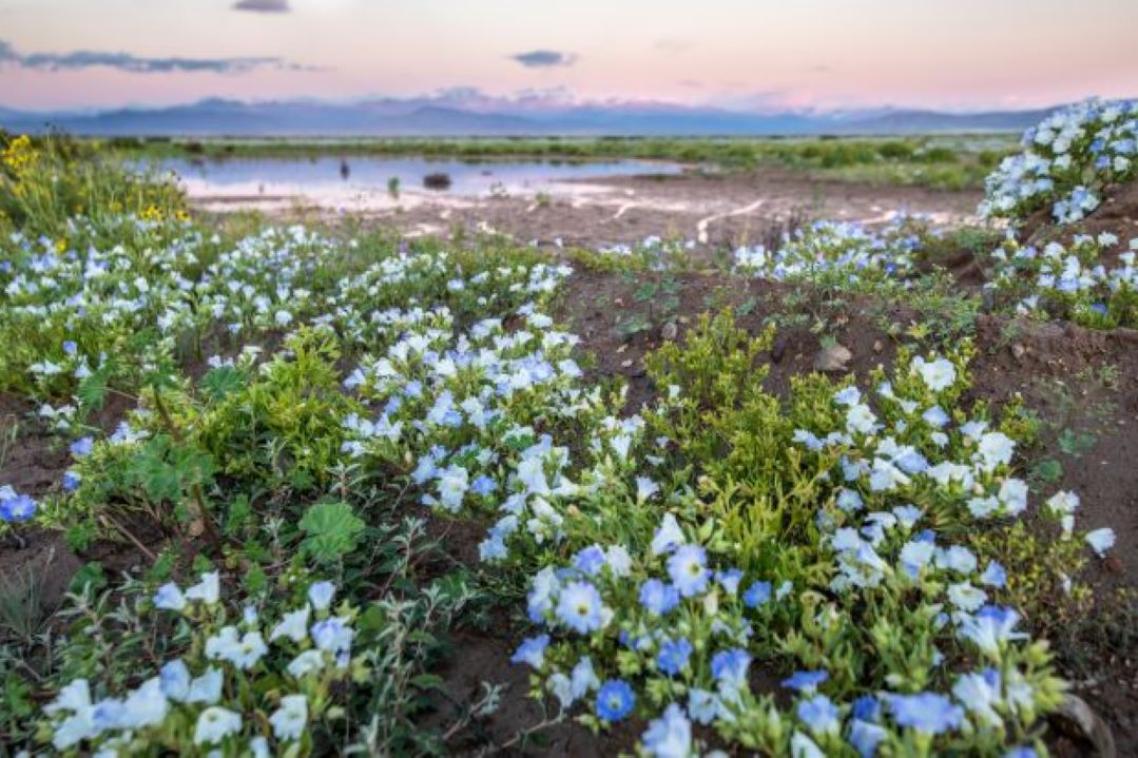
“Desert annuals bloom only in years of unusually heavy rainfall, capitalising on rare environmental extremes,” Dr Letten said.
“Cyanobacteria often dominate algal blooms triggered by sudden nutrient influxes into a waterway.”
Lead author Dr James Richardson said correcting the currently accepted theory could be critical for predicting how changes in nutrient cycling and extreme events impacted ecosystems.
“From an applied perspective, this research shows several projects underway in Australia could have detrimental impacts on biodiversity,” Dr Richardson said.
“For example, plans to extract wet season flows from the Roper River in the Northern Territory for agricultural purposes will reduce the magnitude of spikes in nutrient availability at the river outlet.
“This threatens biodiversity in the estuarine ecosystems that support species such as barramundi.
“The key insight from our research is species can specialise not just in average conditions or variability, but also in rare instances of resource abundance or scarcity.
“For example, some species might thrive during regular fluctuations, while others are adapted to capitalise on rare but extreme events like sudden nutrient spikes or droughts.
“This means species can effectively partition the statistical properties of a single resource, allowing for greater biodiversity than previously thought.”
The research was published in The Proceedings of the National Academy of Sciences.
Topics
Related articles

Hay fever can strike even when grass pollen concentrations are low
