
‘Good’ fats and inflammation: more complex than first thought
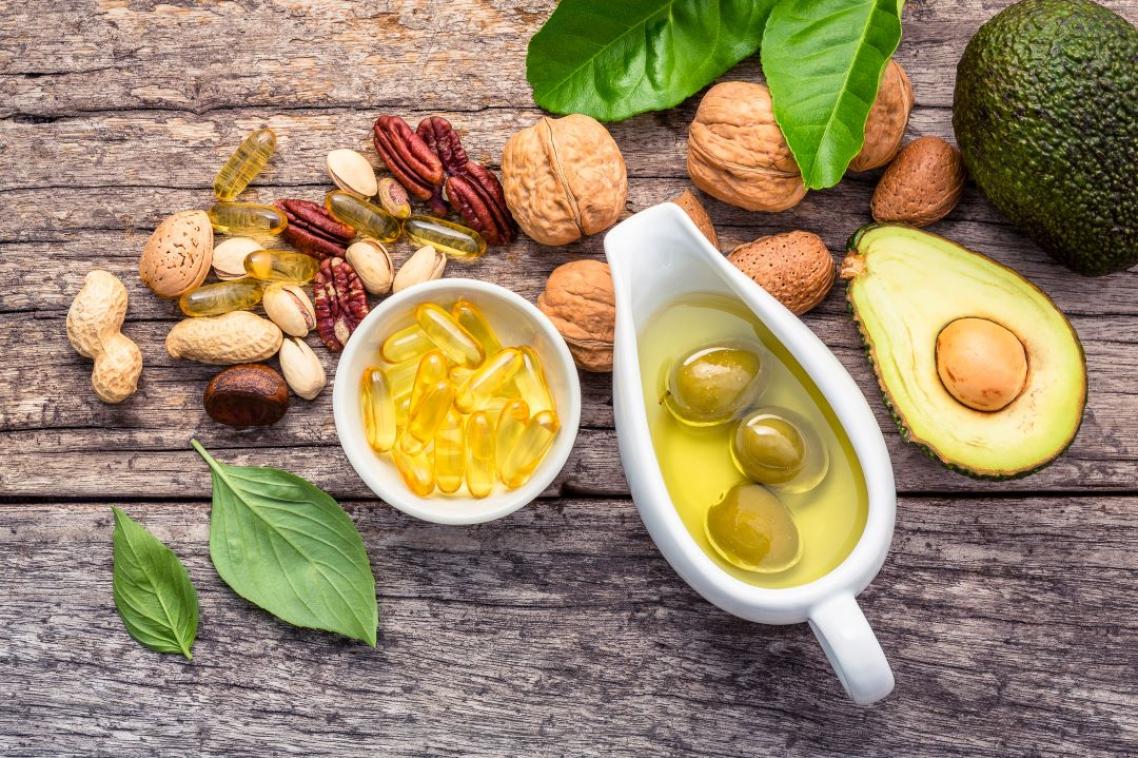
Researchers found omega-3 fats could increase certain markers of inflammation in the body.
(Photo credit: Adobe. )
Omega-3 fatty acids, popularly believed to reduce inflammation in the body, appear to increase certain inflammatory markers, researchers have found.
Key points
- Higher levels of omega-3 fats – naturally occurring in oily fish and commonly taken in supplements for anti-inflammatory benefits – have been linked with increased levels of inflammation.
- It may be better to look at the balance (or ratio) between omega-6 and omega-3 in the diet.
- The belief that omega-3 fats lower inflammation has led to popular diets like the Mediterranean diet and the use of supplements.
Dr Daisy Crick from The University of Queensland’s Institute of Molecular Bioscience looked at the role of omega-3 and omega-6 in the body as part of her PhD studies at the Medical Research Council (MRC) Integrative Epidemiology Unit at the University of Bristol and said the findings challenge commonly held views.
“We tend to regard omega-3 as anti-inflammatory and omega-6 as pro-inflammatory, but the relationship of these polyunsaturated fatty acids is more complex,’’ Dr Crick said.
“Surprisingly, we found omega-3 fats could increase certain markers of inflammation in the body”.
“This result was maintained even when we accounted for other possible influences such as triglycerides, a type of fat found in the blood, and low-density lipoprotein (LDL) cholesterol known as ‘bad’ cholesterol.’’
The research used the Avon Longitudinal Study of Parents and Children which collected data from people at birth through to adulthood over the past 30 years.
Researchers measured inflammation using biomarkers in the blood and found higher levels of omega-3 fats – naturally occurring in oily fish and commonly taken in supplements for anti-inflammatory benefits – were actually associated with increased levels of inflammation.
Additionally, a larger omega-6-to-omega-3 ratio was also consistently associated with higher levels of inflammatory biomarkers found in the body.
In other words, too much omega-6 relative to omega-3 may increase inflammation.
Dr Crick said the results were confirmed using another large dataset, the UK Biobank, which includes information from almost 500,000 people.
The team then applied Mendelian randomisation, a scientific technique that uses genetics to help understand cause-and-effect relationships by mimicking a randomised control trial.
Again, they found omega-3 and omega-6 increased levels of some biomarkers of inflammation.
“The belief that omega-3 fats lower inflammation and mitigates the risk of non-communicable diseases has led to popular diets like the Mediterranean diet and the use of supplements,’’ Dr Crick said.
“But the previously believed relationship that omega-3 reduces levels of inflammation, may not be always correct.
“Our findings suggest that the dietary fatty acids and inflammation relationship is more complex than previously thought and it might be more useful to look at the balance (or ratio) between omega-6 and omega-3 in the diet.’’
Study senior author Dr Hannah Jones of the (MRC) Integrative Epidemiology Unit at the University of Bristol and senior author of the study, said the relationship between fatty acids and inflammation is complex and the findings may only tell part of the story.
“Although our findings show that omega-3 fats are associated with increases of some biomarkers of inflammation, they don’t rule out other potential beneficial effects of these fatty acids in the diet,’’ Dr Jones said.
“Inflammation is complex, and further research using additional biomarkers is needed before drawing firm conclusions about dietary omega-3 fats.”
The research is published in International Journal of Epidemiology.
Collaboration and acknowledgements
Dr Daisy Crick undertook this research as part of her PhD studies at the Medical Research Council (MRC) Integrative Epidemiology Unit at the University of Bristol.
Topics
Related articles

Fast-tracked genetic testing helping sick kids
