
Koalas set to benefit from new genetic screening tool
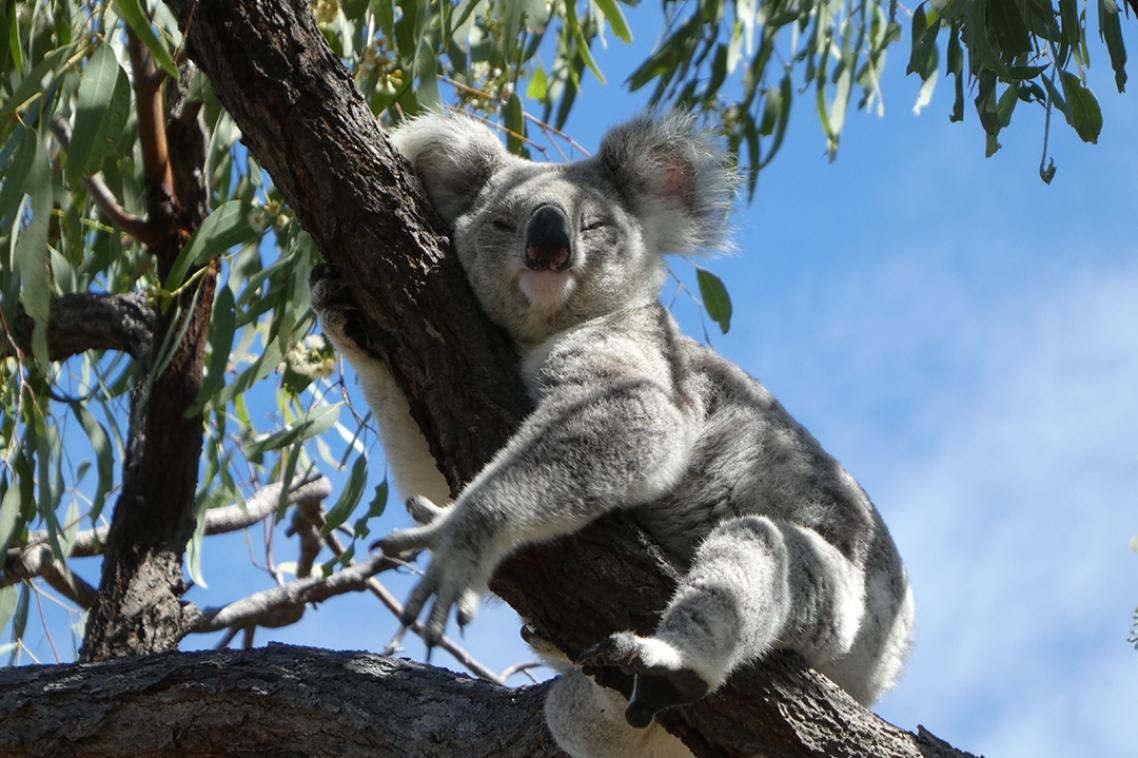
(Photo credit: Michaela Blyton, The University of Queensland. )
A University of Queensland-led project has developed a tool to standardise genetic testing of koala populations, providing a significant boost to conservation and recovery efforts.
Dr Lyndal Hulse from UQ’s School of the Environment said the standardised koala genetic marker panel provides a consistent method for researchers nationwide to capture and share koala genetic variation, enabling improved collaboration and data integration across studies.
“Koalas in the wild are under increasing pressure from habitat loss, disease and vehicle strikes, forcing them to live in increasingly smaller and more isolated pockets with limited access to breeding mates outside their group,” Dr Hulse said.
“Population inbreeding can mean detrimental effects on their health.
“A standardised panel for directly comparing genetic markers enables researchers, conservationists and government agencies to better understand the genetic diversity of koala populations, allowing for greater collaboration to ensure their survival.”
Saurabh Shrivastava, Senior Account Manager at project partner the Australian Genome Research Facility (AGRF Ltd), said the new screening tool was a single nucleotide polymorphism (SNP) array that used next-generation sequencing technologies.
“The Koala SNP-array can accommodate good quality DNA, so is suitable for broad-scale monitoring of wild koala populations,” Mr Shrivastava said.
“Importantly, it is available to all researchers and managers.”
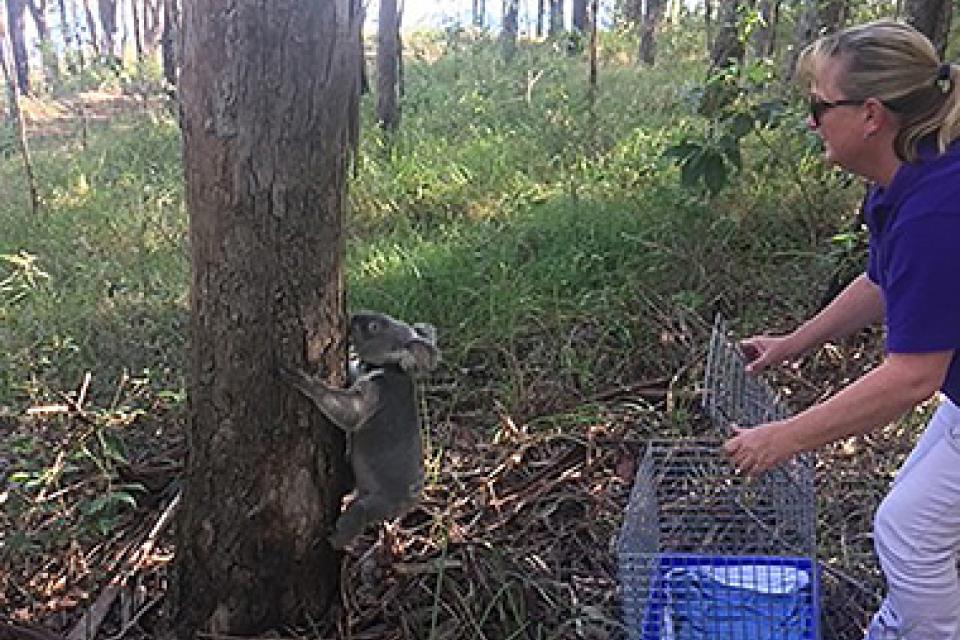
Dr Lyndal Hulse releases a koala, north of Brisbane.
Dr Hulse said ideally the tool could help guide targeted koala relocations across regions.
“There are very strict rules about relocating koalas, but this could be key to improving and increasing the genetics of populations under threat,” she said.
“These iconic Australian marsupials are listed as endangered in Queensland, New South Wales and the ACT – and in 50 years we may only be able to see koalas in captivity.
“Understanding the genetic diversity of different populations of koalas is crucial if we’re going to save them from extinction.”
The project included researchers from the Australasian Wildlife Genomics Group at the University of New South Wales.
AGRF Ltd is a not-for-profit organisation advancing Australian genomics through nationwide access to expert support and cutting-edge technology across a broad range of industries including biomedical, health, agriculture and environmental sectors.
Related articles

Want to help Nepal recover from its deadly floods? Here’s what tourists need to know
