
Change my mind: study finds it’s possible to teach students good decision-making
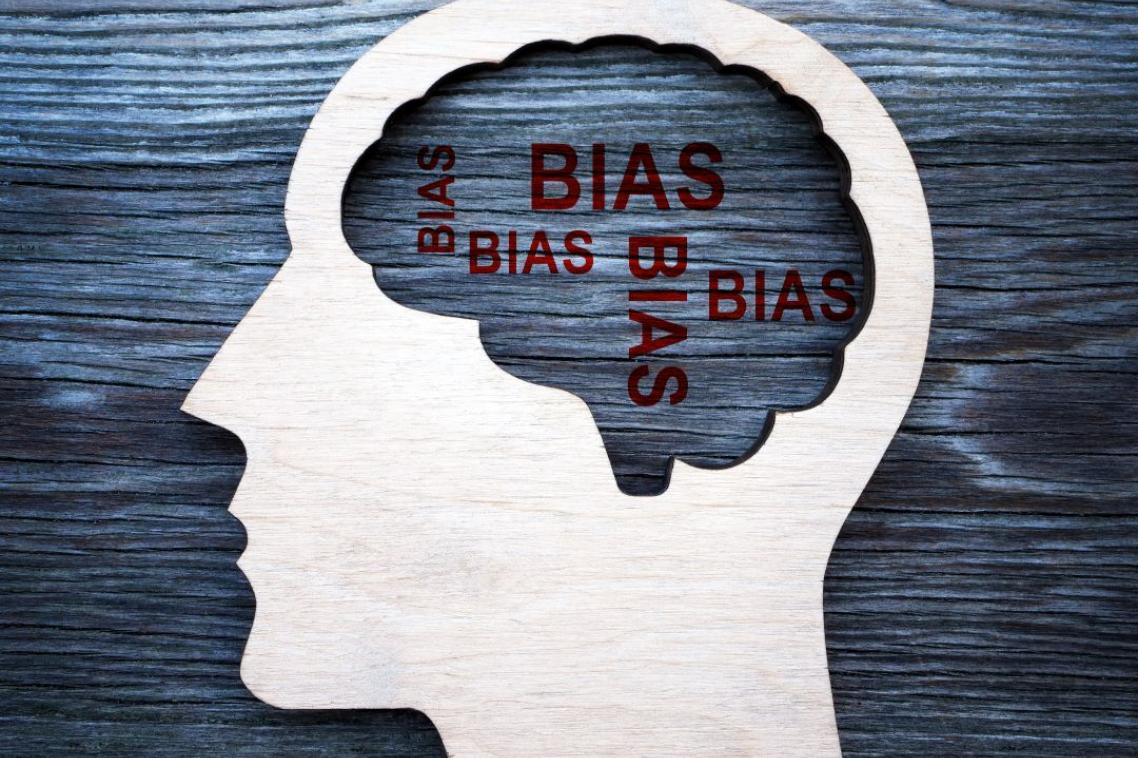
(Photo credit: Vitalii Vodolazskyi/Adobe )
Unconscious biases can cloud rational decision-making, but a University of Queensland study has found erroneous thinking can be reversed with training.
Associate Professor Michael Noetel from UQ’s School of Psychology said many life decisions are complicated and our brains take shortcuts to speed up the process, however cognitive biases mean the shortcuts can lead us further from the truth, or from what we want.
“There are dozens of predictable mistakes our brains make when making decisions, like confirmation bias which makes it hard to change our minds even when we're wrong,” Dr Noetel said.
“In the largest systematic review to ever examine cognitive bias education, we analysed 53 studies involving 10,941 participants, and found it is possible to teach students to think more clearly.”
The researchers found teaching methods determined success, with students benefiting from rapid, clear and constructive feedback.
“If we want to change bias, doing it in an engaging way that provides hands-on practice and feedback is more effective than lessons that just explain what bias is,” Dr Noetel said.
“Not many schools teach critical thinking in this way and if we want to improve decisions from a young age, it’s important to consider this when designing programs.”
PhD candidate Ghassani Swaryandini, who led the study, said the team looked at different types of biases and found some were relatively easy to shift, like overconfidence.
“Most people go on thinking they are above average drivers or believe a DIY job will only take a weekend because no one ever tells us otherwise,” Ms Swaryandini said.
“As a result, we tend to only remember the times we were correct but if we got proper feedback about our judgements, we could learn to be more accurate.
“Many biases can combine to have a big impact on the decisions we make, so training students on a range of biases was the most helpful.”
Ms Swaryandini said reducing bias was important in the age of misinformation and AI.
“Cognitive bias plays a role when people fall into echo chambers or conspiracy theories, so the earlier we address that, the better,” she said.
“While people can never be completely bias-free, it is reassuring you can start challenging ways of thinking during high school and university, setting up more opportunities for rational decision-making throughout life.”
The research is published in Nature Human Behaviour.
Topics
Related articles

Global guidelines needed to address inequities in endometriosis care
