Connection is key for preparing Indigenous students for university
Forging interpersonal connections and embedding cultural identity into learning are critical to Indigenous students’ success in transitioning into university, research has found.
University of Queensland Deputy Vice-Chancellor (Indigenous Engagement) Professor Bronwyn Fredericks led a project which investigated how university pathway programs can better support Aboriginal and Torres Strait Islander students.
“Pathway programs are the primary strategy for improving the readiness of prospective Indigenous students and without them, many students wouldn’t successfully transition into university,” Professor Fredericks said.
“But we identified some improvements were necessary.
“Professional development of staff – in building cultural competency and Indigenising curriculum – is needed to ensure Indigenous perspectives are appropriately embedded in the curriculum of pathway programs.”

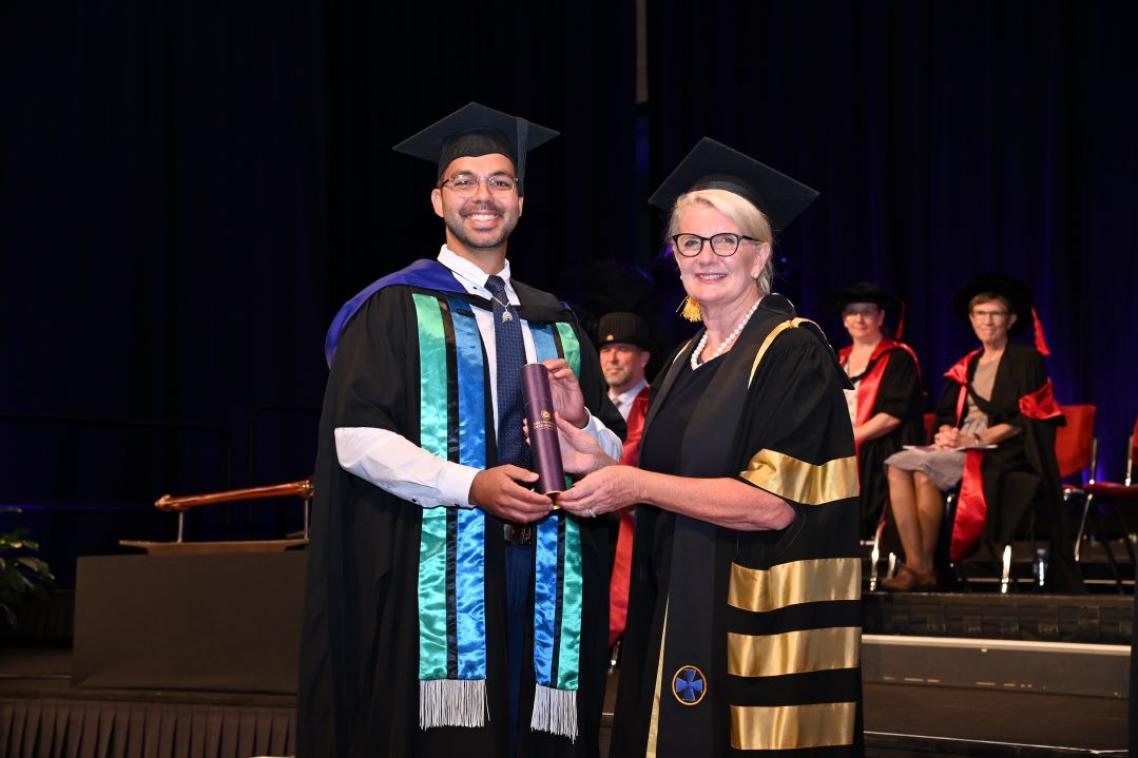
An example of a pathway program undertaken by an Indigenous student.
(Photo credit: Supplied.)
The researchers interviewed Indigenous graduates and university students who had previously participated in pathway programs at 3 different Group of Eight (GO8) universities, as well as the Indigenous and non-Indigenous staff who taught them.
They found stronger Indigenous perspectives were needed within the curriculum to affirm Indigenous student connections to the content and their own cultural identities.
Co-author Associate Professor Katelyn Barney said Indigenising curriculum is complex and should be done in conjunction with Indigenous academics and community members.
“Indigenising curriculum enhances understandings of Indigenous ways of knowing across disciplines and allows Indigenous students to see themselves within the content,” Dr Barney said.
“Context-specific best-practice guidelines could be developed to ensure Indigenous perspectives are strongly embedded in the curriculum depending on the structure, length and delivery of these programs.”
The research also found the connections students built during pathway programs were hugely beneficial to their transition into university.
“These relationships with peers during the pathway program often continued into the students’ degree, which they reported as an important factor in their success at university,” Dr Barney said.
“It highlights the importance of a relationship-rich educational experience for Indigenous students, to build a sense of belonging and connection.”
The report, Pathway programs and Indigenous student completion: Building the evidence, includes suggested strategies for staff working with Aboriginal and Torres Strait Islander pathway program students.
“The strategies were refined through discussions with key stakeholders at a national symposium held at UQ, as well as through consultation and discussions with the Indigenous reference group,” Professor Fredericks said.
“We hope they will be relevant not just for pathway program teachers and leaders but for all staff who work with Indigenous students.”

Professor Bronwyn Fredericks (front row, far right), Associate Professor Katelyn Barney (back row, centre) and the project team with the Indigenous reference group.
(Photo credit: The University of Queensland. )
Collaboration and acknowledgements
The report was funded by the Australian Centre for Student Equity and Success (ACSES). The researchers would like to thank the Aboriginal and Torres Strait Islander reference group for their feedback and guidance throughout the project – Dr Danielle Amour (UQ School of Education), Inala Cooper (The University of Melbourne) and Associate Professor Katrina Thorpe (UNSW).
Topics
Related articles
‘Mob want to see mob’: First Nations clinics a priority for many young Indigenous Australians