Closing the Gap at risk without urgent focus on urban Indigenous health

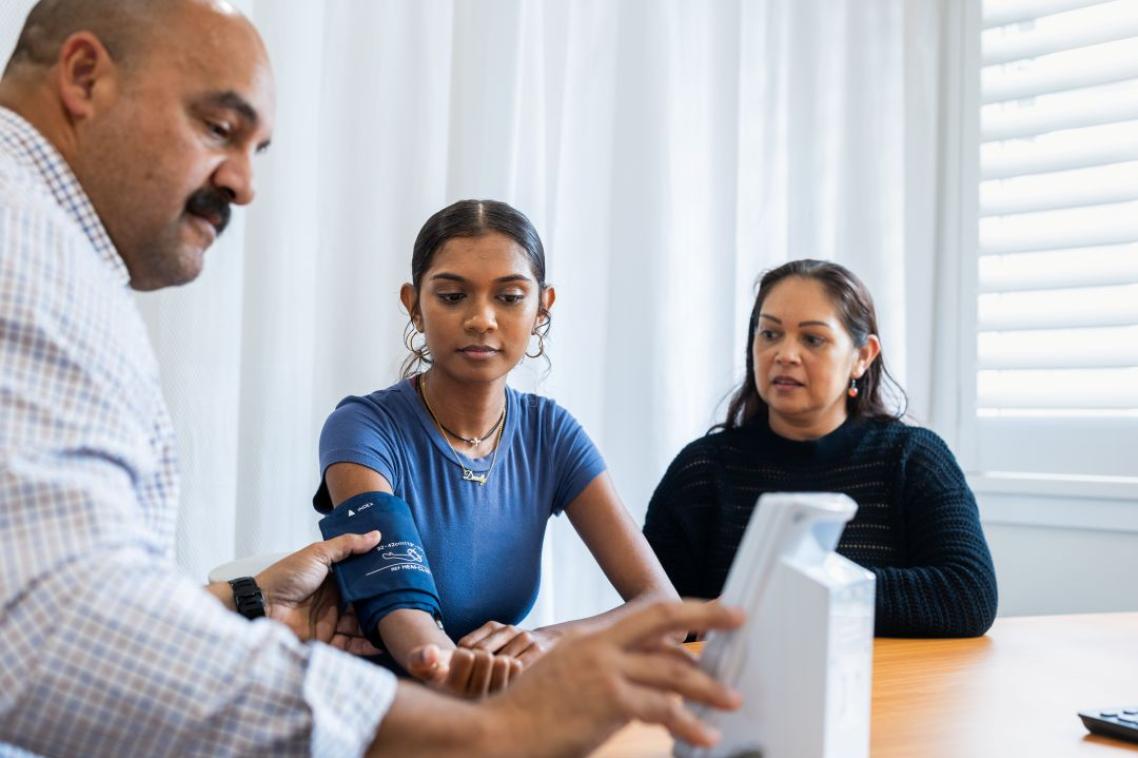
(Photo credit: Belinda Howell/Getty Images )
Closing the health gap between Indigenous and non-Indigenous Australians will remain out of reach without urgent, targeted investment in Aboriginal and Torres Strait Islander health services in capital cities, Indigenous leaders and researchers warn.
Professor James Ward, Director of The University of Queensland’s Poche Centre for Indigenous Health, said 3 newly launched national resources exposed a critical blind spot in Indigenous health policy and research.
“Urbanisation of our population is happening at lightning speed, yet policy and investment continue to focus elsewhere,” Professor Ward said.
“Almost 4 in 10 Aboriginal and Torres Strait Islander people, or 37 per cent, now live in capital cities, but urban communities receive far less targeted research, planning and resourcing.
“In 5 of Australia’s 8 capital cities, the median age at death for Aboriginal people is 21 years lower than for non-Indigenous people – clear evidence that living in a city does not guarantee better access to care.”
A 2021 review found just 15 per cent of health research and policy focused exclusively on Aboriginal and Torres Strait Islander people in urban areas, despite the urban Indigenous population growing by 67 per cent over the past decade.
The new resources – developed by UQ’s Poche Centre in partnership with the Research Alliance for Urban Community Controlled Health Services – include an Urban Health and Wellbeing Framework, a State of Play Report and Australia’s first Urban Aboriginal and Torres Strait Islander Health Equity Dashboard, developed with the Australian Institute of Health and Welfare (AIHW).
Dr Fadwa Al-Yaman from AIHW said the dashboard would play a vital role in responding to longstanding gaps in urban Aboriginal and Torres Strait Islander health data.
“By improving access to regional information, we can help communities, services and governments better understand local needs, identify inequities, and track progress over time,” Dr Al‑Yaman said.
The inaugural State of Play Report found Aboriginal and Torres Strait Islander people in major cities carry the largest share of the national burden of disease, making urban communities the single greatest challenge to Closing the Gap.
“Without a serious and sustained focus on urban communities, we will not close the gap,” Professor Ward said.
“We’re calling for greater investment in urban Indigenous health — not at the expense of regional or remote communities, but in recognition of where the need is greatest.”
Institute for Urban Indigenous Health CEO Wayne Ah Boo said the new resources underlined urgent capacity pressures on Aboriginal and Torres Strait Islander Community Controlled Health Organisations (ACCHOs).
“Population growth in our cities is already outpacing ACCHO capacity, and if we are serious about Closing the Gap by 2031, we must fast track investment in urban ACCHOs,” Mr Ah Boo said.
Topics
Related articles

UQ’s Poche Centre celebrates a decade of work to help close the gap in Indigenous health