Misophonia: when everyday sounds are triggering

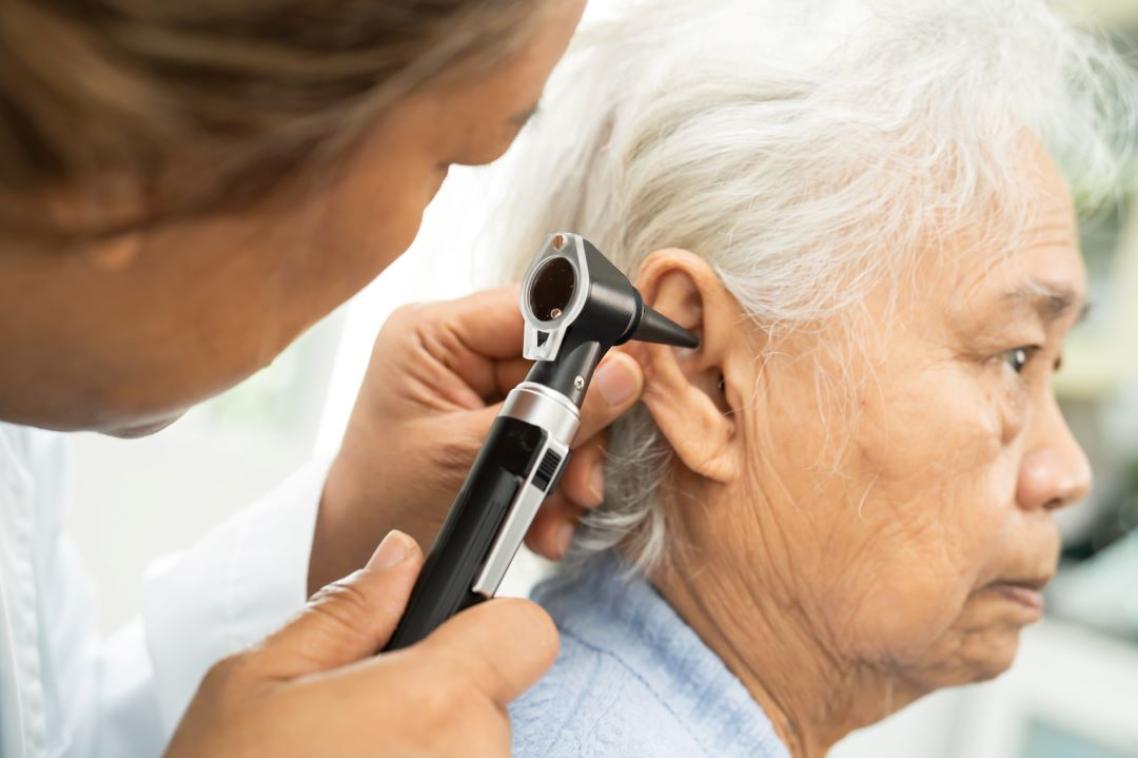
(Photo credit: Prostock-studio / Adobe Stock. )
The soundtrack of daily life is filled with ambient noise, but for some people, the sound of someone chewing, clicking a pen or the humming of an air conditioner can trigger overwhelming distress.
Misophonia, which translates to ‘hatred of sound’, is a little-known disorder characterised by a reduced tolerance to specific sounds.
For people with the condition, a particular sound can provoke strong emotional reactions including anger, anxiety, disgust or distress.
They can also have a physical response such as increased heart rate and muscle tension.
July 9 marks World Misophonia Awareness Day, aimed at bringing more attention to the condition, reducing any stigma and increasing support for people living with it.
Impact on daily life
Misophonia can have profound effects on relationships, social participation, education and employment.
Triggers are often most intense when associated with close family members, leading to feelings of shame, isolation, and relationship strain.
Many people report withdrawing from social, educational, and workplace environments to cope with overwhelming reactions.
Despite its significant impact, misophonia is yet to be formally recognised as a distinct disorder in major diagnostic frameworks, contributing to a lack of understanding and support.
Barriers to recognition and care
Limited public awareness means many people with misophonia struggle to get help, while healthcare professionals may be uncertain about appropriate ways to manage the condition.
A better understanding of the role of audiology and multidisciplinary care is needed.
Some simple adjustments can help manage triggers, keep people engaged and included and improve their quality of life:
| In workplaces | In educational settings |
Noise-cancelling headphones Quiet/private workspaces Flexible or remote working arrangements | Preferential seating Access to quiet/safe spaces Lecture recordings for flexible learning Alternative exam arrangements Peer support groups to reduce isolation |
Increasing awareness of misophonia will hopefully reduce stigma, improve access to support and help people with the condition to participate fully in work, education and community life.
Continued research, public education and collaboration across healthcare disciplines will be essential to improving outcomes for those affected.
Collaboration and acknowledgements
This article was written in collaboration with UQ Master of Audiology Studies students Aleena Jose, Ben Lamberton and Devika Vinod.
This work was supported by Professor Piers Dawes, Director of UQ’s Centre for Hearing Research and Dr Prashanth Prabhu from the All India Institute of Speech and Hearing, India.
Topics
Related articles

The critical role of interpreters in patient care