
What you need to know about COP31

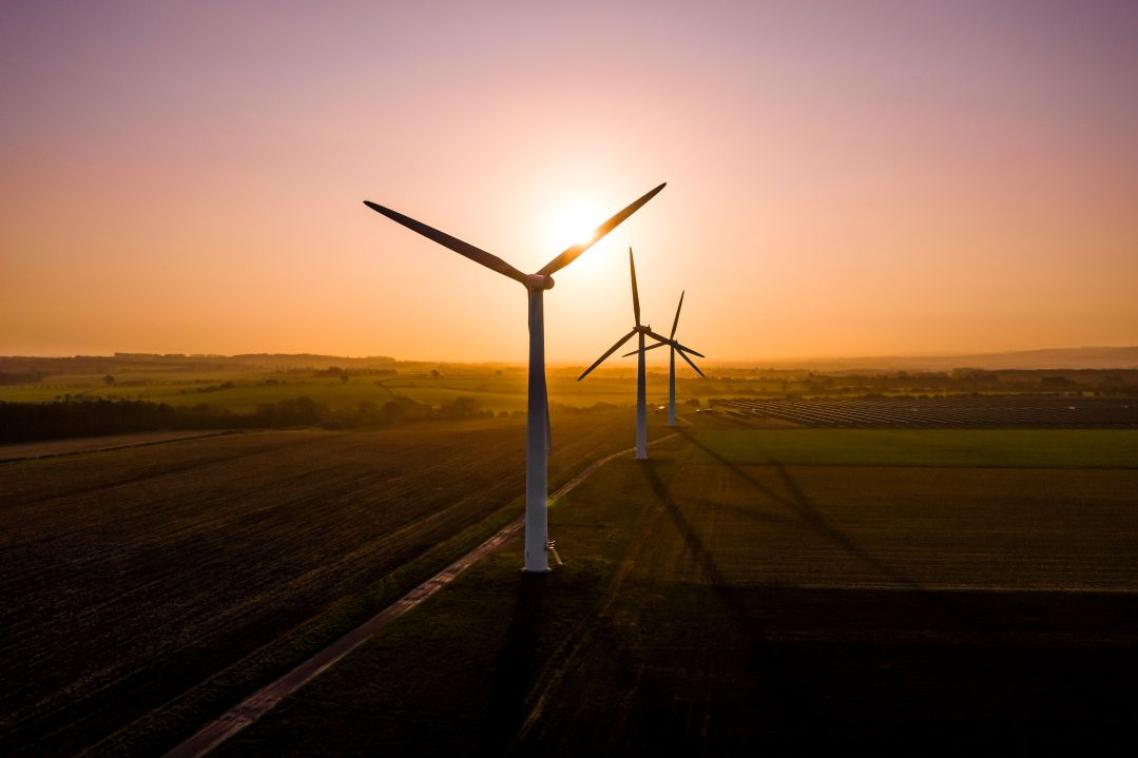
(Photo credit: Adode stock/Frozigraphie )
In Turkiye next month, more than 190 countries will come together to discuss global action on addressing climate change. So what‘s on the table, what’s at stake and what will be Australia’s role?
The state of play
COP31 is the 31st iteration of the Conference of the Parties to the United Nations Framework Convention on Climate Change (UNFCCC), which was established in 1992.
Since then, countries have met regularly to make commitments and discuss progress on reducing emissions and adapting to the effects of climate change.
Climate finance is also frequently discussed, which refers to the transfer of funds from rich to poor countries to help reduce emissions, support adaptation or compensate for the unavoidable costs of climate change.
The central treaty arising from UNFCCC talks was the 2015 Paris Agreement. As part of the Paris Agreement, countries committed to individual emissions reduction targets with a goal to limit warming to no more than 2°C, ideally 1.5°C.
The Paris Agreement has helped reduce global emissions beyond ‘business as usual’ practice and has encouraged global investment in renewable energy.
However, despite these efforts, global action has been insufficient to prevent climate change and analysis suggests keeping warming at 1.5 degrees is increasingly improbable.
There is now a sense of genuine urgency for sustained global action on climate change given the harms of sea level rise, heat waves, natural disasters, ocean acidification, biodiversity loss, disease and even population displacement or armed conflict.
A challenging position
Australia will be fulfilling a role never seen before this COP.
After a failed attempt to host the conference jointly with Pacific island nations, Australia agreed to Turkiye acting as physical hosts while Climate Change Minister Chris Bowen acts in the newly established President of Negotiations role.
As part of this compromise, a pre-COP meeting took place in the Pacific in Fiji and Tuvalu last month.
Australia is in a challenging position. While working closely with Turkish hosts and advancing the interests of Pacific countries, Australia’s negotiating team will[MB1] also be looking to secure international agreement while advancing the nation’s interests.
Some of these interests, like continuing to profit from fossil fuel exports, don't align with what Pacific countries in particular are hoping to see from Australia.
This is the elephant in the room for Australia and will require careful diplomatic maneouvering in Turkiye.
Recent rulings from the International Court of Justice and Australian High Court have pointed to the need for countries and fossil fuel companies to consider emissions arising from fossil fuel development and exports. But for now, the Paris Agreement only requires countries to account for emissions produced within the country itself
Time to deliver
COP31 is widely seen as an ‘implementation COP’, where the focus is how to deliver on past promises made rather than new commitments to action.
As Turkiye’s environment minister Murat Kurum put it, 'what the world needs today is not another round of promises, it needs to see existing commitments delivered’.
The headline goal of COP31 is a target associated with electrification. The conference hosts will attempt to secure support for the goal of 35 per cent of energy use from renewable electricity by 2035, known as the 35 by 35 goal.
The rationale for this goal is electricity production is easier to facilitate through renewable sources than other forms of energy use.
Other COP31 agenda items include significantly reducing the growing amount of waste, cutting energy intensity in the building sector, enhancing marine ecosystem resilience and transforming agriculture.
What isn’t on the table is a timetable for transitioning away from fossil fuels. At COP30 in Brazil, more than 80 countries signed on to the Belem Declaration to Transition from Fossil Fuels. This time around, co-hosts Turkiye, a major fossil fuel importer, and Australia, a major fossil fuel exporter, have resisted calls to put this on the table.
A leadership void?
The decision of the Trump administration to withdraw from the UNFCCC clearly undermines momentum for international climate action, especially given its relative wealth and significant contribution to the problem itself.
The US contributes at least 12 per cent of global emissions.
But so far, the US is the only country to withdraw from the UNFCCC and global action is continuing, including unprecedented investment in renewable energy. This gives some hope for minimising the harms of climate change.
The problem, however, is here and now. We are seeing effects of climate change play out all over the world, and funding commitments to enable energy transition or adaptation programs in the developing world are woefully inadequate and difficult to access.
The fact COP31 is likely to be an ‘implementation COP’ should make international agreement on the agenda items noted more possible.
But it will be fascinating to see whether states try to fill the leadership void left by the US or are emboldened by its withdrawal. It will also be interesting to assess whether momentum builds for climate action or the issue is crowded out by international instability, nationalism and global cost of living concerns.
Lastly, COP31 will show us whether momentum is building for a timetable to phase out fossil fuels, a development that could concern Australian negotiators.
Matt McDonald is Professor of International Relations in the School of Political Science and International Studies. His research examines the global politics of climate change. On behalf of the UQ Climate Change network he will be leading the delegation of UQ staff observing COP31 talks in Turkiye and providing commentary from the ground in Antalya.
Related articles
COP30 climate summit: UQ experts
