
Mediterranean diet could reduce risks during pregnancy
Women who follow a Mediterranean-style diet in the years before becoming pregnant could face a significantly reduced risk of developing hypertensive disorders during pregnancy, new research from The University of Queensland (UQ) suggests.
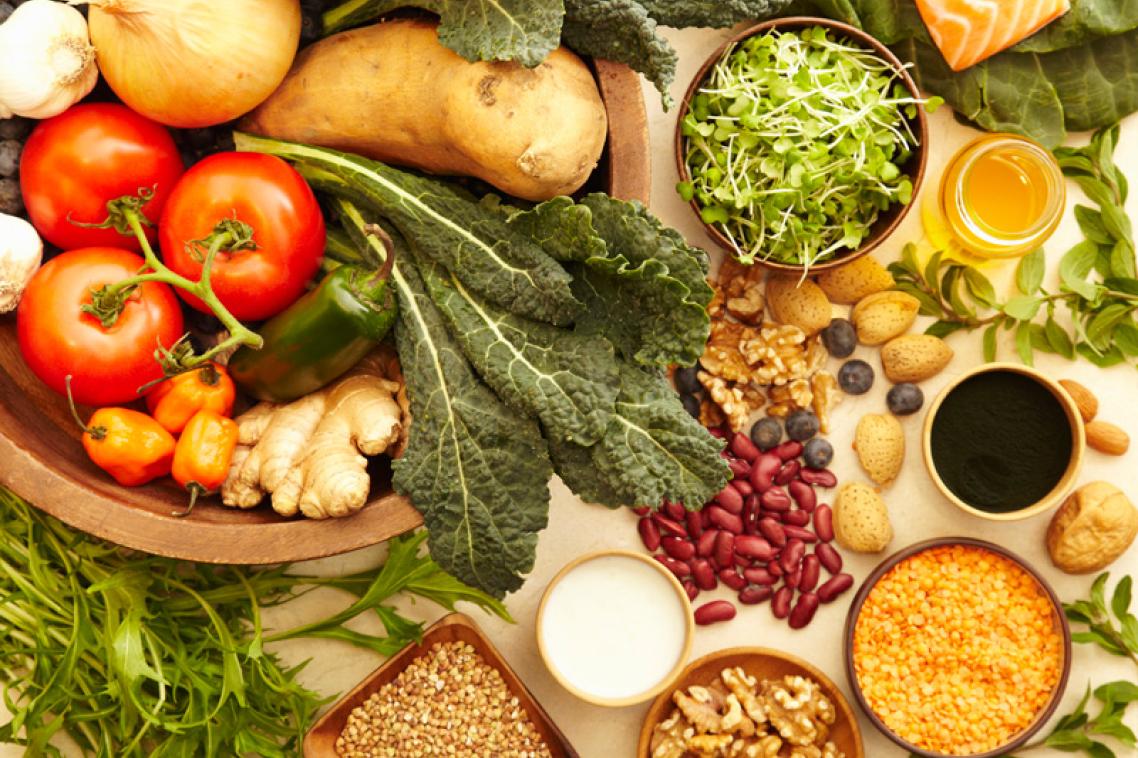
UQ School of Public Health researchers found that young women who followed a diet rich in vegetables, legumes, nuts, tofu, rice, pasta, rye bread, red wine and fish before pregnancy had a 42 per cent lower risk of developing gestational hypertension and pre-eclampsia.
The researchers analysed dietary information relating to 6149 pregnancies in 3582 women aged 25 to 30 years in 2003, through data from the Australian Longitudinal Study on Women’s Health.
UQ School of Public Health PhD candidate Ms Danielle Schoenaker said the study emphasised the importance of a healthy diet for young women.
“Diet is a modifiable factor, and encouraging young women to consume a Mediterranean-style diet could lower their risk of developing gestational hypertension and pre-eclampsia, Ms Schoenaker said.
“No individual food could fully explain the association with hypertensive disorders, which suggests it’s the combination of foods in the Mediterranean-style diet that is important.
“Hypertensive disorders are a common complication during pregnancy, and lead to an increased post-pregnancy risk of mothers and their children developing chronic diseases."
Ms Schoenaker stressed that the results indicated a clear relationship between a Mediterranean-style diet and a lower risk of hypertensive disorders of pregnancy, but further studies were needed to confirm the findings.
This study is published in The American Journal of Clinical Nutrition.
Media: Ms Danielle Schoenaker, d.schoenaker@uq.edu.au, 0451 450 198.
Topics
Related articles

Fewer and fewer parents will smack their children – but it’s still legal. Should that change?
