
Drug study implicates benzodiazepines in accidental overdoses
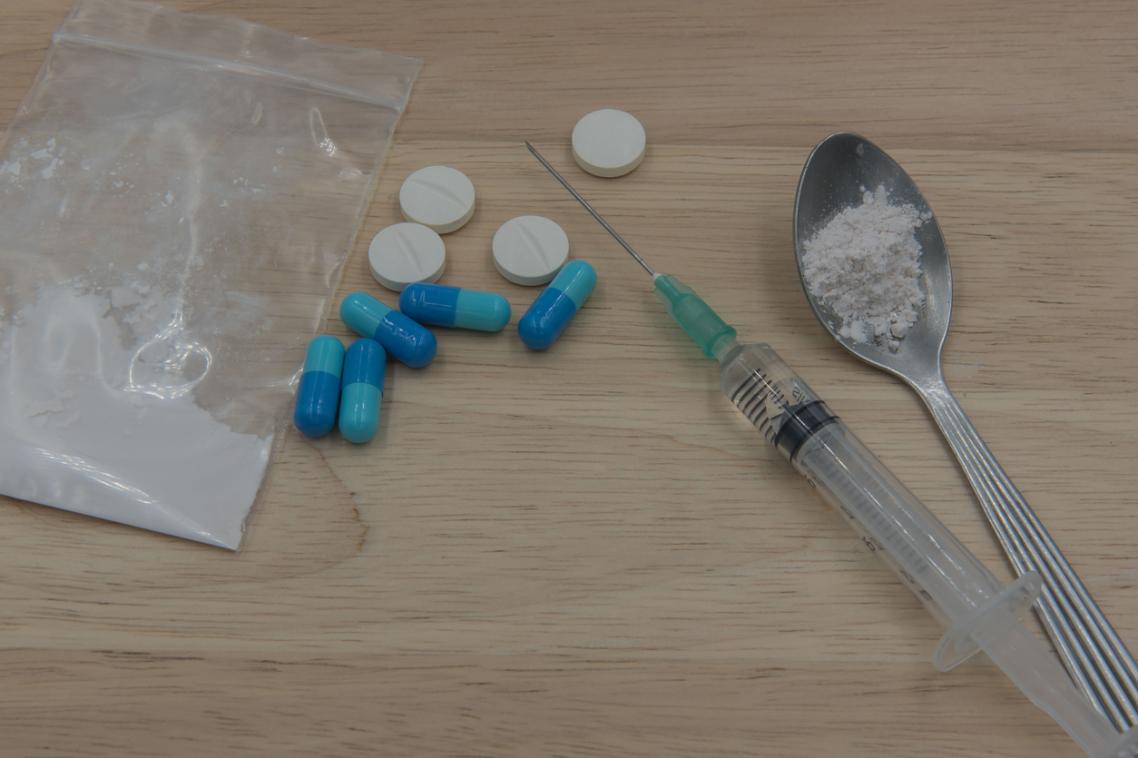
Common anti-anxiety drugs including Xanax and Valium have been implicated in half of all non-fatal injected drug overdoses in a new study.
The University of Queensland’s Professor Jake Najman said benzodiazepines appeared to be a greater contributing factor to overdoses than alcohol, and needed to be given prominence in harm-minimisation strategies.
The Queensland Alcohol and Drug Research and Education Centre interviewed people from four Needle and Syringe Program sites who had accidentally overdosed in the previous year.
“Participants were typically male, middle-aged, with long injecting histories which had not prevented their most recent overdose,” Professor Najman said.
“Half of the participants reported mainly injecting pharmaceutical opioids such as morphine and oxycodone, with some suggestion they were considered ‘safe options’.
“Heroin and methamphetamines were also commonly injected, and over a third of participants had used fentanyl in the 24 hours before overdosing.”
UQ School of Public Health researchers Dr Fairlie McIlwraith and Dr Andrew Smirnov and Queensland Health’s Robert Kemp collaborated with Professor Najman on the study.
They found participants were most likely to have taken prescribed drugs, benzodiazepines and cannabis in the 48 hours prior to overdosing.
“This sample group uses a cocktail of drugs, with a pattern of use that suggests they obtain whatever drugs they can,” Professor Najman said.
“Such a cocktail, which must vary in range and potency from day-to-day, is, not surprisingly, associated with an overdose history.
“When it comes to benzodiazepines, consumers and prescribers need to be more aware of both the dangers and safer alternatives.”
Professor Najman said barriers to calling an ambulance needed to be better understood, occurring in only 38 per cent of cases.
“This reluctance was partly influenced by not wanting police involvement, but it also related to unwanted scrutiny, particularly if bystanders were intoxicated from their own drug use.
Professor Najman said the study did not support previous findings that being in drug treatment substantially lowered the risk of a heroin overdose.
“Just over half of our sample reported they were currently in drug treatment, primarily opioid substitution therapy.”
Two-thirds of participants said their overdose did not prompt them to seek information or assistance about their drug use, but three-quarters reported changing their pattern of drug use as a result.
The research is published in the Journal of Addiction Medicine.
Media: Professor Jake Najman, j.najman@sph.uq.edu.au: Kim Lyell, k.lyell@uq.edu.au, 0427 530647.
Related articles

UQ hosts national sport conferences
