
Babies with bronchiolitis benefit from new oxygen therapy
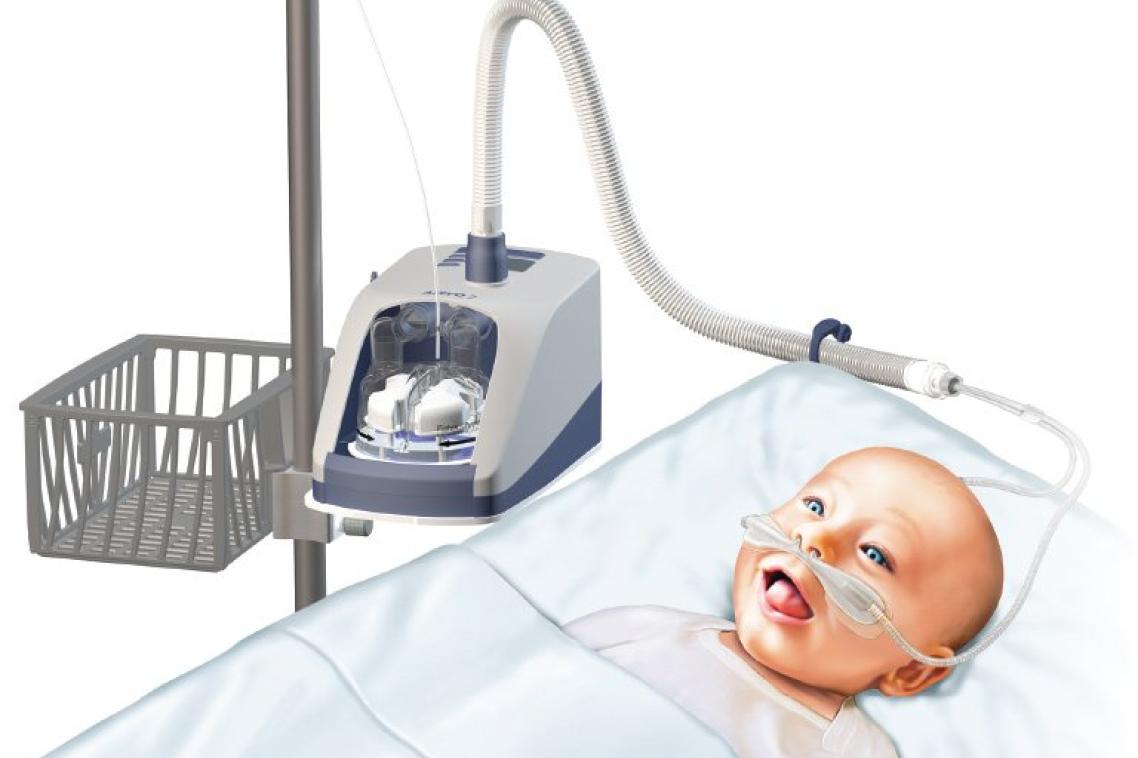
A new therapy to help infants with acute respiratory infection will prevent thousands of infants with bronchiolitis from requiring escalation of care when admitted to hospital and save more than $200 million in hospital costs.
Bronchiolitis – caused by a viral infection in the lungs – is the most common reason for infants under 12 months to be admitted to hospital, with 10 per cent of them requiring intensive care.
Researchers at The University of Queensland Mater Research Institute (UQ-MRI) and Lady Cilento Children’s Hospital have developed high-flow oxygen therapy for children with bronchiolitis.
A study of 1472 infants with bronchiolitis across 17 hospitals in Australia and New Zealand found high-flow oxygen therapy reduced the need for further increased hospital care by 50 per cent.
UQ-MRI PhD student Donna Franklin said the study would change standard practice for caring and managing infants with bronchiolitis.
“This study found that a therapy which was previously reserved for intensive care units could be delivered safely in emergency departments and on general paediatric wards in a hospital,” Ms Franklin said.
“This will reduce the number of infants and their families from regional areas who need to be relocated to one of the major cities for the duration of their illness.
“Relocating a family means they are unfamiliar with their surrounds and don’t have access to their usual support network.
“Introducing high-flow oxygen therapy early in the illness means we can keep children in their own community hospitals, reducing the impact on the child and the family.”
High-flow nasal oxygen therapy works by delivering a higher volume of air and oxygen into the nasal passages to improve breathing.
The research, published in the New England Journal of Medicine, was funded by the National Health and Medical Research Council, the Emergency Medicine Foundation, the Mater Foundation and several Australian hospital foundations.
It involved researchers from the Murdoch Children’s Research Institute, the Royal Children’s Hospital Melbourne, the University of Melbourne, the Paediatric Critical Care Research Group at the Lady Cilento Children’s Hospital and the Paediatric Research in Emergency Departments International Collaborative.
Media: Donna Franklin, +61 (0)432 059 569, d.franklin2@uq.edu.au; UQ Faculty of Medicine, med.media@uq.edu.au, +61 7 3365 5133.
Topics
Related articles

Fast-tracked genetic testing helping sick kids
