
Natural selection still at work in people
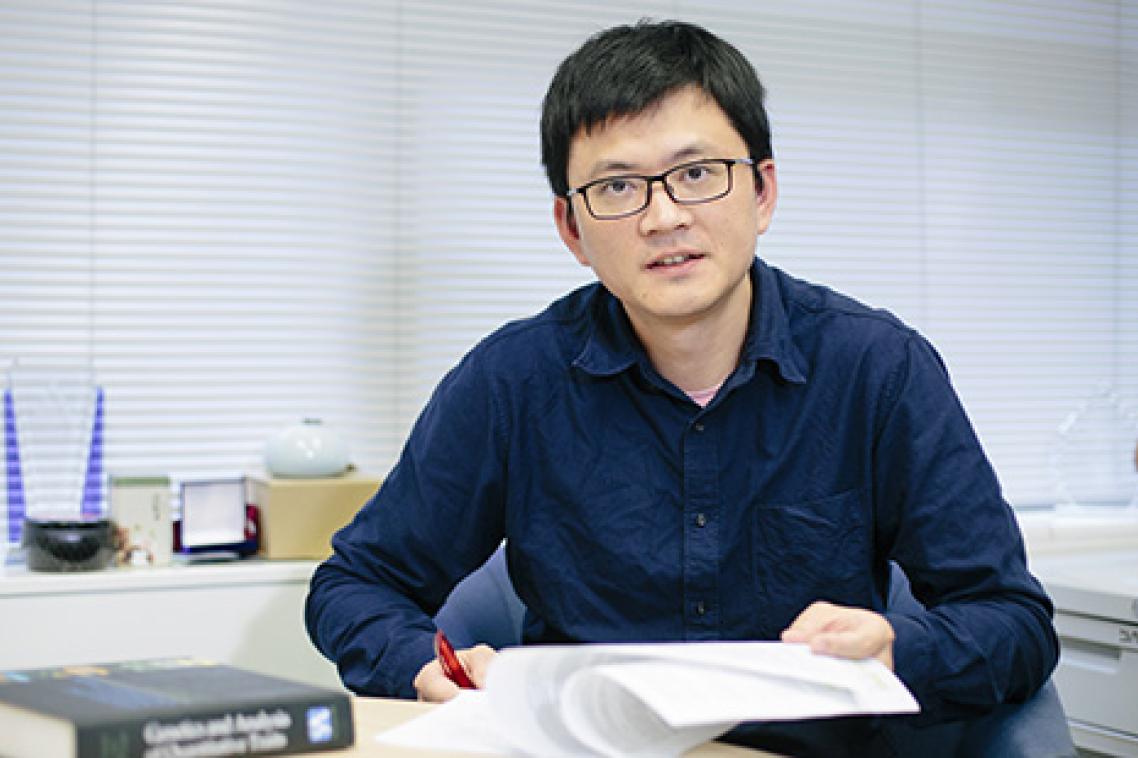
Evolution has shaped the human race, with University of Queensland researchers finding signatures of natural selection in the genome that influence traits associated with fertility and heart function.
A team, led by Professor Jian Yang and Dr Jian Zeng from UQ’s Institute for Molecular Bioscience and Queensland Brain Institute , developed a statistical method to examine the effect of DNA mutations, or variants, on genetic architecture.
“In natural selection, or ‘survival of the fittest’, characteristics that improve survival are more likely to be passed on to the next generation,” Professor Yang said.
“The opposite also occurs, when DNA mutations with a detrimental effect on fitness are less likely to be passed on, by a process called negative selection.
Professor Yang said the team found evidence of negative selection on DNA variants associated with a number of traits.
“Among the strongest associations was with traits related to cardiovascular function, such as waist-to-hip ratio, with excess fat around the waist thought to increase the risk of heart disease and type 2 diabetes,” he said.
Dr Zeng said the most significant negative selection of DNA mutations was related to reproductive function, such as age at menopause.
“We found genetic variants associated with fertility seem to have undergone the strongest selection compared to those associated with other traits, likely because of the strong correlation between fertility and genetic fitness,” Dr Zeng said.
“Negative selection prevents ‘bad’ mutations from spreading through the population, meaning that common DNA variants are likely to have small or no effect on traits.
“This study will help us better understand the genetic basis of complex traits and inform the design of future experiments in complex traits and medical genomics.”
The researchers used genetic samples from 126,545 unrelated individuals of European ancestry in the UK Biobank.
The research was published in Nature Genetics and was supported by organisations including the Australian Research Council, National Health and Medical Research Council and the Sylvia and Charles Viertel Charitable Foundation.
Media contact: IMB Communications, communications@imb.uq.edu.au, +61 7 3346 2134.
Topics
Related articles

Hay fever can strike even when grass pollen concentrations are low
