
Caring for the sick and casting out villains: moral development in children
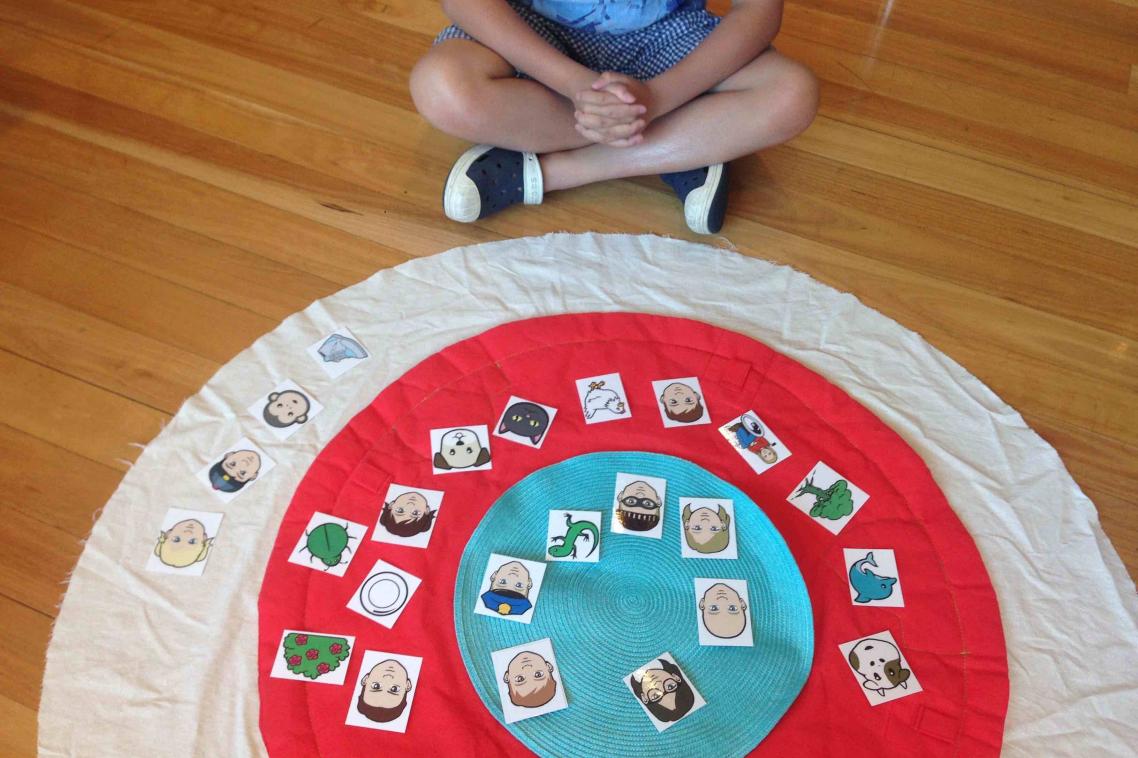
Question: when is a chicken more important than a sick person? Answer: when you’re four years old, according to research from The University of Queensland.
A team from the UQ School of Psychology examined moral reasoning in children aged 10 and under.
Dr Dan Crimston said a child’s ‘moral circle’ becomes more inclusive with age.
“A moral circle refers to how far we extend our moral consideration towards others and whether we care about their wellbeing,” Dr Crimston said.
“Though slowly expanding over the course of history, for adults, our moral circle is generally pretty straightforward: we include loved ones, and we aren’t terribly concerned about objects or villains.
“Until now, we haven’t known when and how these patterns of moral decision-making develop in children.”
The research team asked 151 children how much they cared about 24 items including humans, animals, nature and inanimate objects.
They were instructed to put the items they cared about most in the inner circle, items cared about a little bit in the middle circle, and those they did not care about in the outer circle.
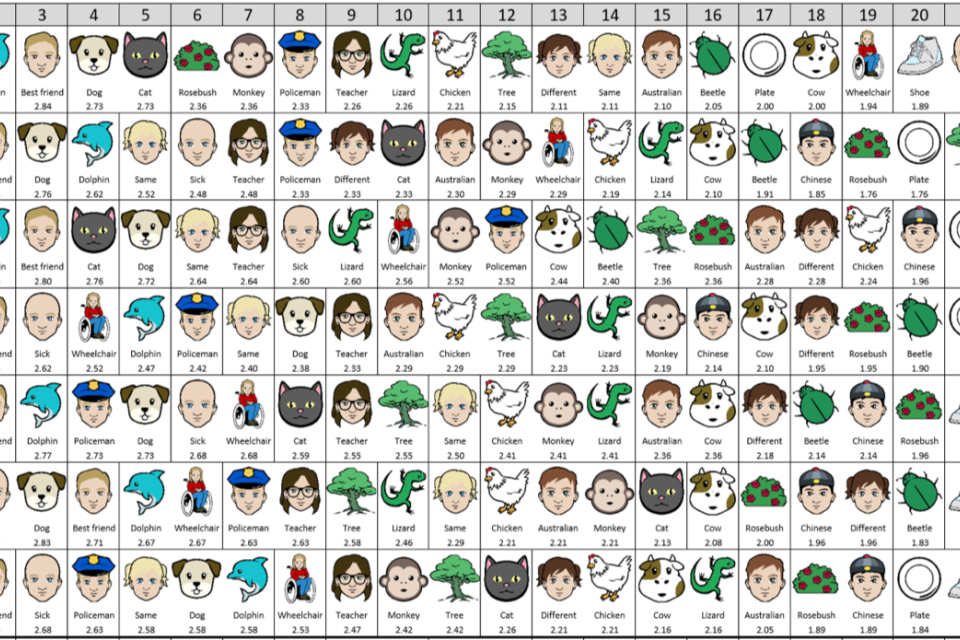
Unsurprisingly, mum was rated number one in all age groups, with best friends, dolphins and dogs towards the top of all lists, while robbers and bullies were at the bottom.
Other humans, such as teachers and policeman, didn’t fare as well, being mixed throughout the lists with farm animals, trees and lizards, depending on a child’s age.
Children were rewarded with stickers for their participation, but were given the opportunity to donate some or all of their stickers to other children.
PhD candidate and co-lead on the project Karri Neldner, said the research provided insight into what children cared about and how those preferences changed with age.
“There were some surprising outcomes, such as four-year-olds’ seeming indifference towards sick people, who were rated equally with shoes – many parents could probably confirm that pre-schoolers care more about what’s in front of them than anyone in need,” Ms Neldner said.
“As children got older they began to care more about vulnerable members of society, such as the sick and people with disabilities, suggesting they are becoming more inclusive as they grow.”
“In addition, the preferences children reported predicted their real behaviour, as those who cared more about humans donated more of their hard-won stickers to others.
“This act of charitable giving is a sign that children who care more in thought about others also care in deed.
“This research sheds new light on the origins of compassion and prejudice in human development, and may help us determine new ways to encourage openness and reduce intolerance in our children.”
The study, conducted in collaboration with PhD candidate Matti Wilks, Dr Jonathan Redshaw and Associate Professor Mark Nielsen, is published in PLOS ONE.
Media: Karri Neldner, k.neldner@uq.edu.au, +61 7 3365 6230, @karrinelder; Dani Nash, UQ Communications, dani.nash@uq.edu.au , +61 7 3346 303, @UQhealth.
Topics
Related articles

Feed the children: food provision in early childcare falls short
