
Energy top-up saving kids from seizures
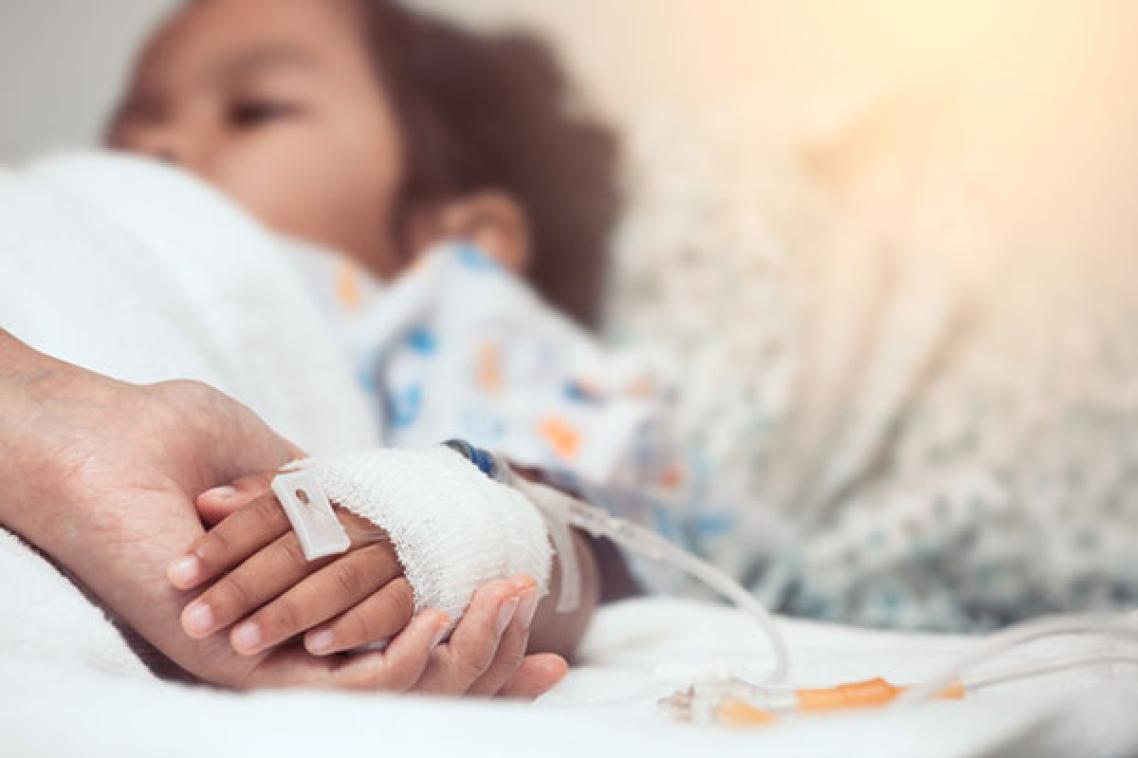
A drug developed in the USA is helping to reduce seizures in Australian children with epilepsy, according to a University of Queensland clinical trial.
Almost 50 per cent of children involved in the trial at the Lady Cilento Children’s Hospital showed a reduction in seizures while taking triheptanoin.
UQ School of Biomedical Sciences Associate Professor Karin Borges said energy was needed to prevent and recover from seizures.
“If you have less energy in your brain cells, you are more likely to have a seizure and you will find it harder to recover,” Dr Borges said.
“Once metabolised, triheptanoin enters the brain and helps with energy production.
“Patients did not experience any of the typical side effects of anti-seizure medication such as tiredness, behavioural disturbances or severe rashes.
“This indicates the drug could be safe and tolerable in children.”
Epilepsy is the most common brain disorder in children, and is especially debilitating and hard to treat.
”Approximately 45 per cent of children experience uncontrolled seizures despite the availability of a variety of medications,” Dr Borges said.
“Even on medication, 30 per cent of children will find no seizure relief at all.”
Current treatment for epilepsy involves following a strict ketogenic diet which is high in fat, low in carbohydrates and controls protein intake.
“People following this diet are required to weigh their food and restrict their caloric intake, leading to side effects including hunger and lack of energy,” she said.
“My team wants to find a straight-forward approach to managing this illness, so patients do not have to follow such a restrictive diet.”
Triheptanoin was originally developed as a treatment for rare metabolic disorders such as fatty acid oxidation disorders.
Dr Borges said larger trials of triheptanoin were needed to find out which types of epilepsy responded best to the treatment.
The research is published in the European Journal of Paediatric Neurology (DOI 10.1016/j.ejpn.2018.07.014).
The study was funded by the Thrasher Research Fund and supported in part by Ultragenyx Pharmaceuticals.
The trial involved researchers from the Neurosciences and Dietetics Departments at the Lady Cilento Children’s Hospital in Brisbane.
Patient available for media comment.
Media: Karin Borges, k.borges@uq.edu.au, 0429 696 746; UQ Faculty of Medicine communications, med.media@uq.edu.au, 3365 5133.
Topics
Related articles

Fewer and fewer parents will smack their children – but it’s still legal. Should that change?
