
Rat may hold the key to koala virus spread
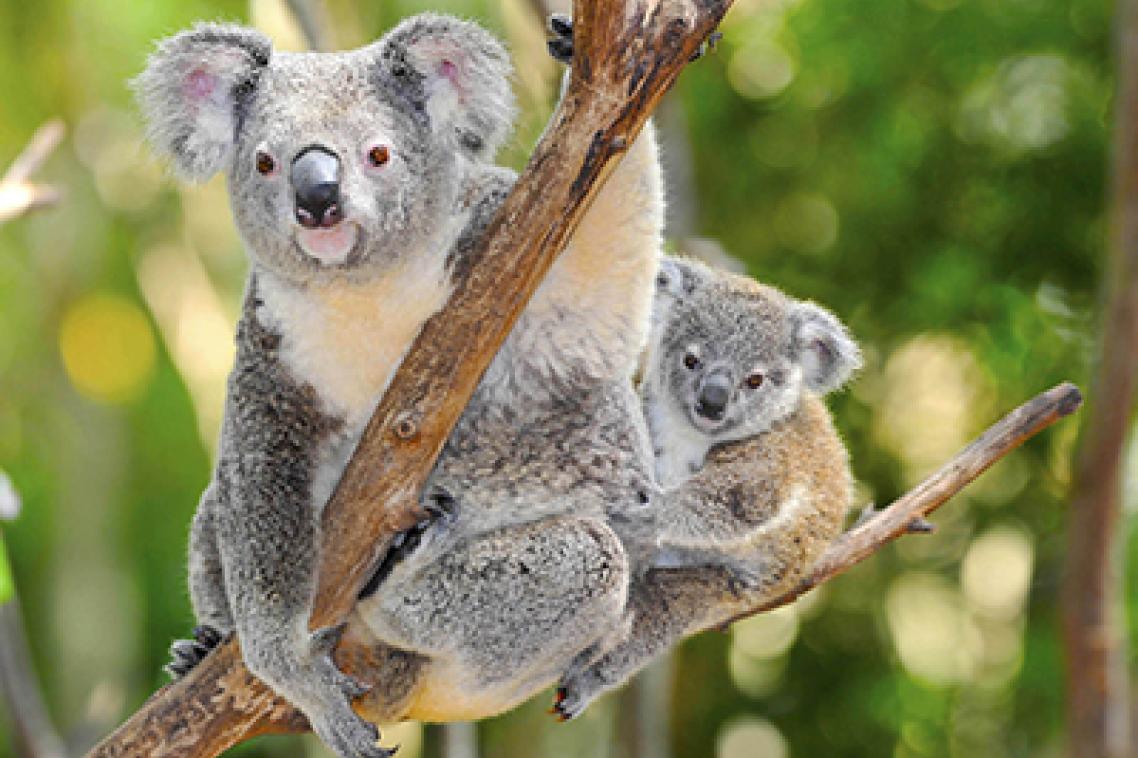
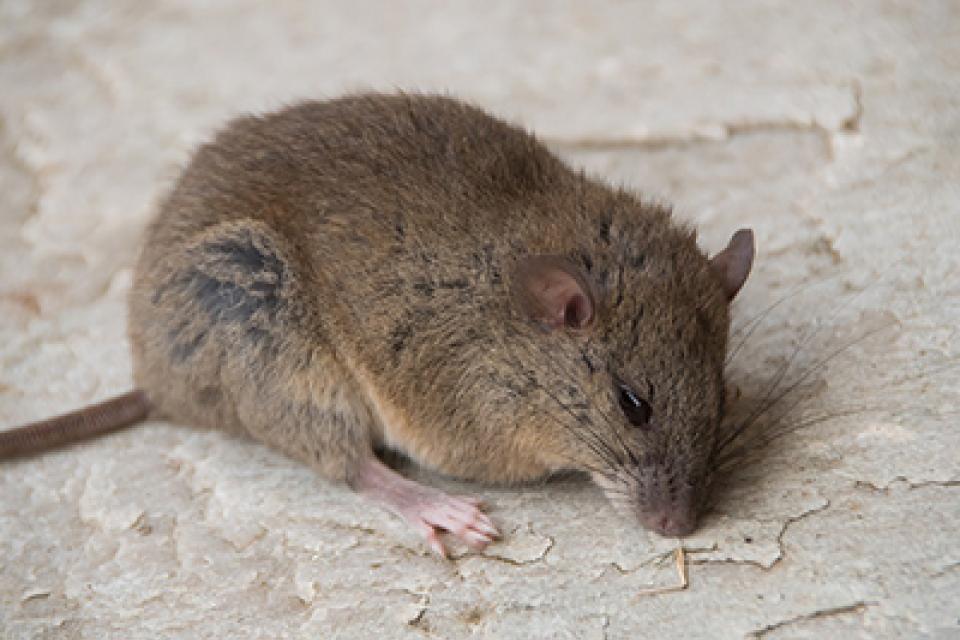
A Queensland rat, the grassland melomys, could be the origin of a koala retrovirus, which infects the majority of Australia’s koalas.
University of Queensland School of Veterinary Science lecturer Dr Gregory Simmons said it was well known that chlamydial infection was a significant disease affecting koalas.
“More recent research suggests the highly infectious koala retrovirus may also be a serious threat to the long-term survival of koalas,” he said.
“Nearly all koalas are now infected with koala retrovirus and the infection is associated with immunosuppression and a range of cancers including leukaemia and lymphoma.
“Proving the virus is the direct cause of these other diseases is complex.”
Dr Simmons said the partial sequence of a melomy virus – Melomys burtoni retrovirus – was found to be closely related to the koala retrovirus, and possibly linked through shared habitats.
“The melomys virus is closely related to koala retrovirus, but it is also closely related to the gibbon ape leukaemia retrovirus and may be another strain of this virus,” he said.
He said the gibbon ape leukaemia virus first appeared in the late 1960s in Bangkok, Thailand, while the koala retrovirus was discovered in 2000.
“However it is difficult to see where direct transmission occurred between koalas and gibbons as the two hosts are separated geographically, and we are still searching for this common link.”
Dr Simmons explored a potential missing link in the origins of gibbon ape leukaemia virus in Virus Genes (DOI: 10.1007/s11262-017-1436-0).
Dr Simmons is currently working between UQ and veterinary schools in Adelaide, as well as Nottingham in the UK, trying to determine the biological mechanism that leads to koala retrovirus.
Media: Dr Gregory Simmons, g.simmons@uq.edu.au, +61 7 54601 950; Dominic Jarvis, dominic.jarvis@uq.edu.au, +61 413 334 924.
Topics
Related articles

Researchers transforming bioplastics into ‘superstructure’ medical hydrogels
