
Wildlife struggle to cope with extreme weather
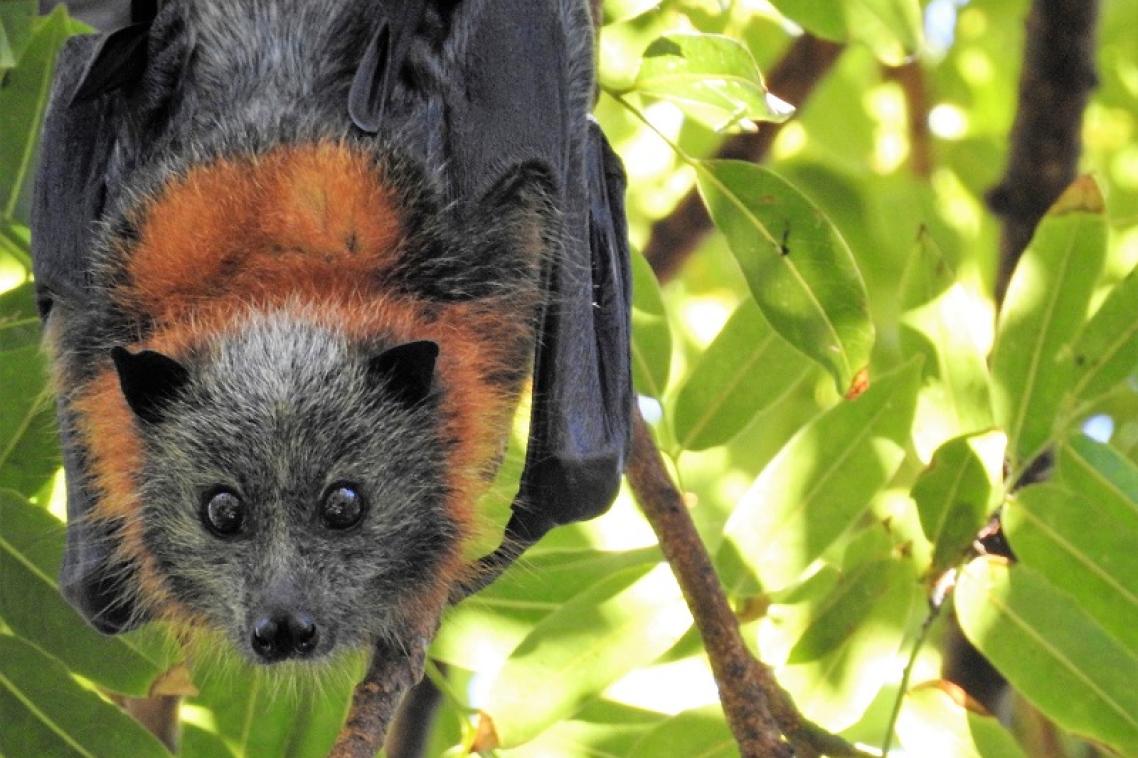
The mass death of flying foxes in extreme heat in North Queensland last month underscores the importance of University of Queensland wildlife research released today.
The UQ research sheds light on how various species have responded to major climate events.
A study led by UQ School of Earth and Environmental Science researcher Dr Sean Maxwell has synthesised more than 70 years of research to quantify the responses of various species.
“The growing frequency and intensity of extreme weather events such as cyclones, droughts and floods is causing unpredictable and immediate changes to ecosystems and obstructing existing management efforts,” Dr Maxwell said.
“The deaths of up to one third of Australia’s spectacled flying foxes in an extreme heatwave north of Cairns in November comes in the wake of our research, and is a stark illustration of the importance of the study.
“Some of the negative responses we found were quite concerning, including more than 100 cases of dramatic population declines and 31 cases of local population extinction following an extreme event.
“Populations of critically endangered bird species in Hawaii, such as the palia, have been annihilated due to drought, and populations of lizard species have been wiped out due to cyclones in the Bahamas.”
Drought also led to 13 cases of breeding declines in bird populations and 12 cases of changes in the composition of invertebrate communities.
UQ Centre for Biodiversity and Conservation Science director Professor James Watson said the detailed information would help inform ecosystem management.
“The research clearly shows species will respond, often negatively, to extreme events,” Professor Watson said.
“As climate change continues to ensure extreme climate and weather events are more and more common, we now need to act to ensure species have the best chance to survive.
“Wherever possible, high quality and intact habitat areas should be retained, as these are the places where species are most resilient to increasing exposure to extreme events.”
The research is published in the journal Diversity and Distributions (DOI: 10.1111/ddi.12878).
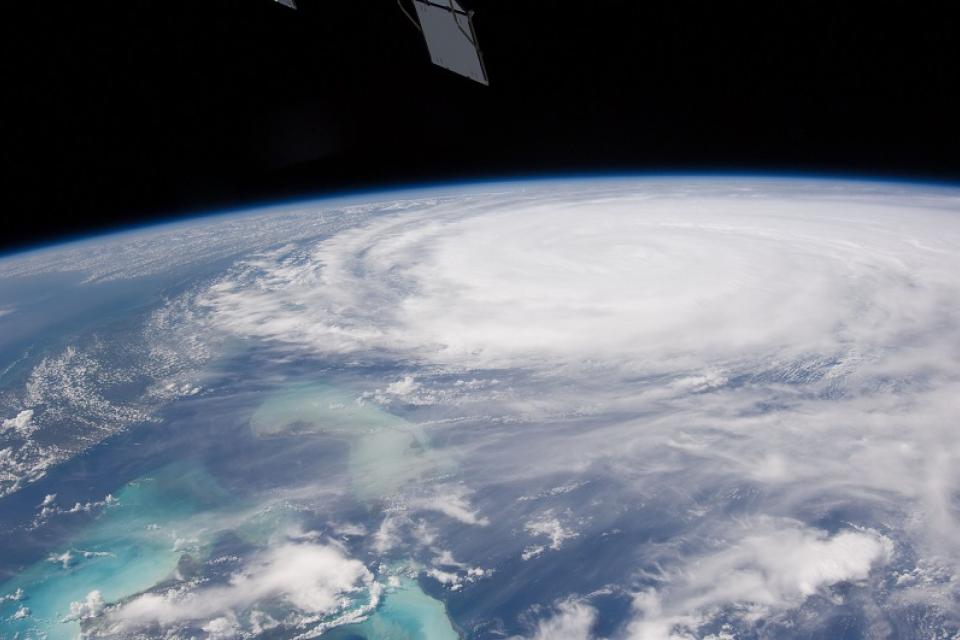
Pictured above: extreme weather events, like Hurricane Irene seen here from the International Space Station, have the potential to severely damage wildlife populations. (Credit: NASA)
Contact: Dr Sean Maxwell, smaxwell@uq.edu.au, +61 403 477 098; Professor James Watson, jwatson@wcs.org, +61409 185 592; Dominic Jarvis, dominic.jarvis@uq.edu.au, +61 413 334 924.
Related articles

A new way to navigate tough land and water use decisions
