
Matrix could ensure vital copper supplies
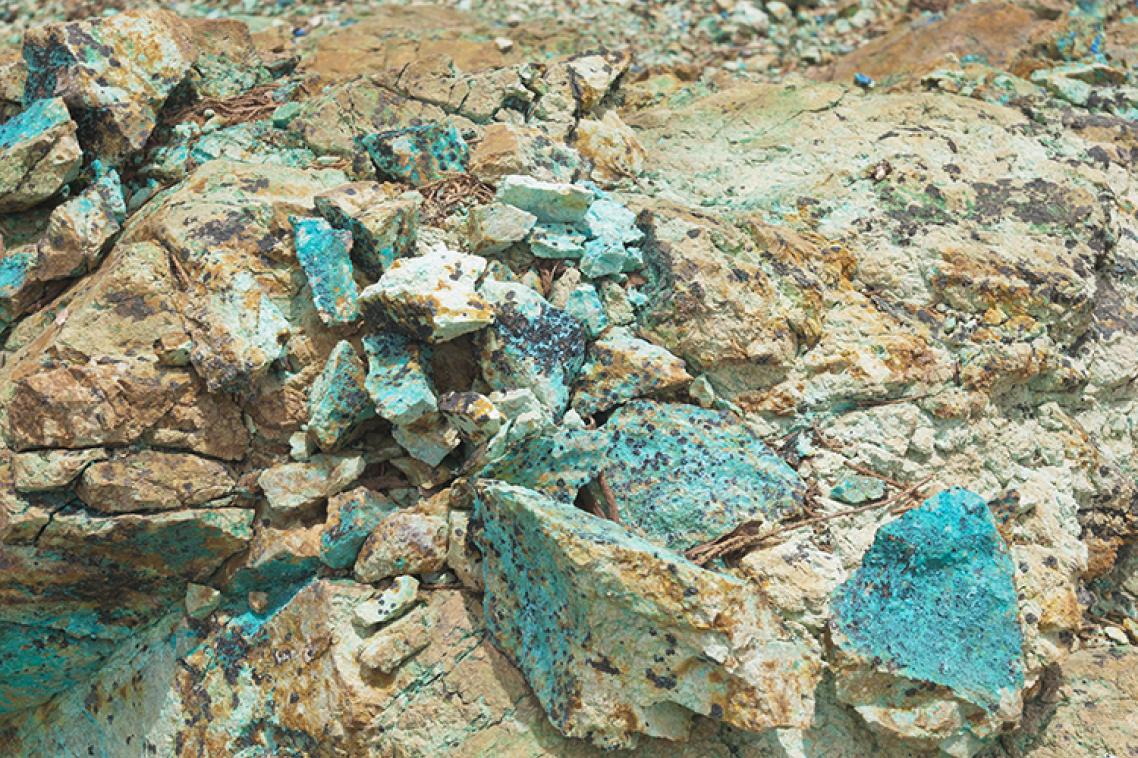
Researchers have identified a matrix of risks that the mining industry must overcome to unlock vitally important copper reserves.
University of Queensland geologist Professor Rick Valenta said copper would be crucial in a renewable-powered future, but global supplies were far from guaranteed.
“The UQ Sustainable Minerals Institute examined 308 of the world’s largest undeveloped copper orebodies, and found that 75 per cent face environmental, social or governance challenges that could impede future development,” he said.
“The mining industry needs to better manage its environmental, social and governance challenges.
“The rise of renewable energy and electric vehicles means copper is a critical metal for society.
“If you look at the world’s existing mining capacity, and estimate discovery rates and recycling, there is going to be a shortfall.
“Accessing new orebodies will be vital to meet demand.”
“We found that low copper grades was the sole challenge in only three or four per cent of the undeveloped orebodies we analysed.”
He said other risks could be alleviated by investing in desalinated water, dry tailings dams, and other approaches which reduce the external impacts of mining projects. .
“But the remaining three-quarters of the complex orebodies face environmental, social and governance risks.
“The mining industry has been very successful in technological advances and increasing production volume while lowering costs, but this is not going to make those mines accessible.
Researcher Dr Éleonore Lèbre said poor environmental, social and governance performance had damaged mining industry’s reputation.
“The industry needs to better manage these risks,” she said.
“If they are not dealt with prior to production starting early on, there could be serious environmental and social impacts,” she said.
“It is time for the industry to diversify its core competencies and take greater account of environmental, social and governance risks.”
Professor Valenta said there were many examples of projects abandoned because of risks identified in the new matrix.
“The investor community is increasingly aware of environmental, social and governance risks, but there is still a way to go if we are to harness these important copper reserves.”
The research, Re-thinking complex orebodies: Consequences for the future world supply of copper, is published in the Journal of Cleaner Production. (https://doi.org/10.1016/j.jclepro.2019.02.146)
The Complex Orebodies research project is expanding the study to other commodities.
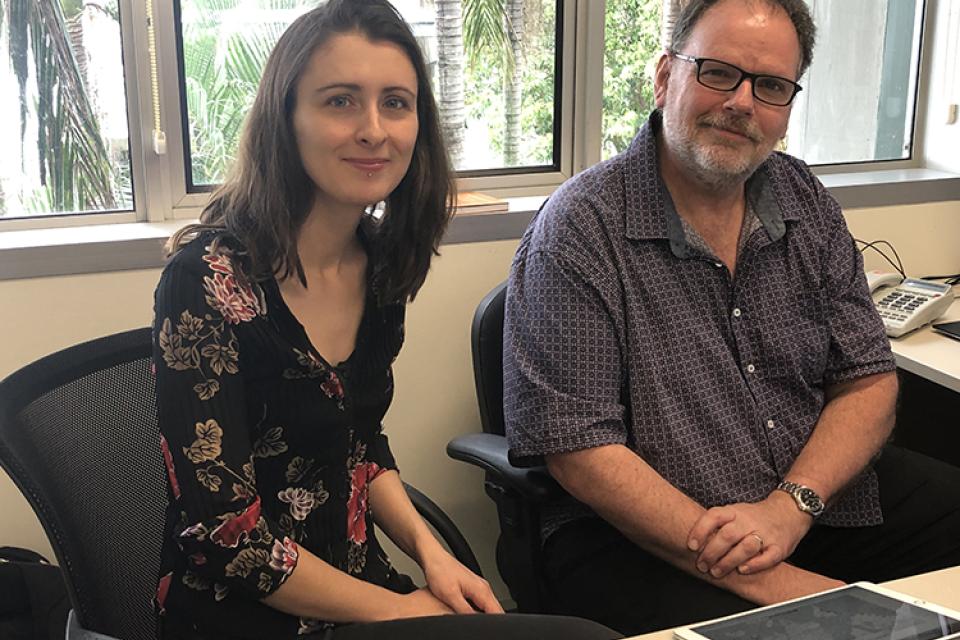
Above: Researcher Dr Éleonore Lèbre and Professor Rick Valenta
Media: Gillian Ievers, +61 (0) 438 121 757, g.ievers@uq.edu.au.
Related articles

What makes a winning environmental campaign? We studied six decades of activism to find out
