
Melting metals as sustainable needs heat up
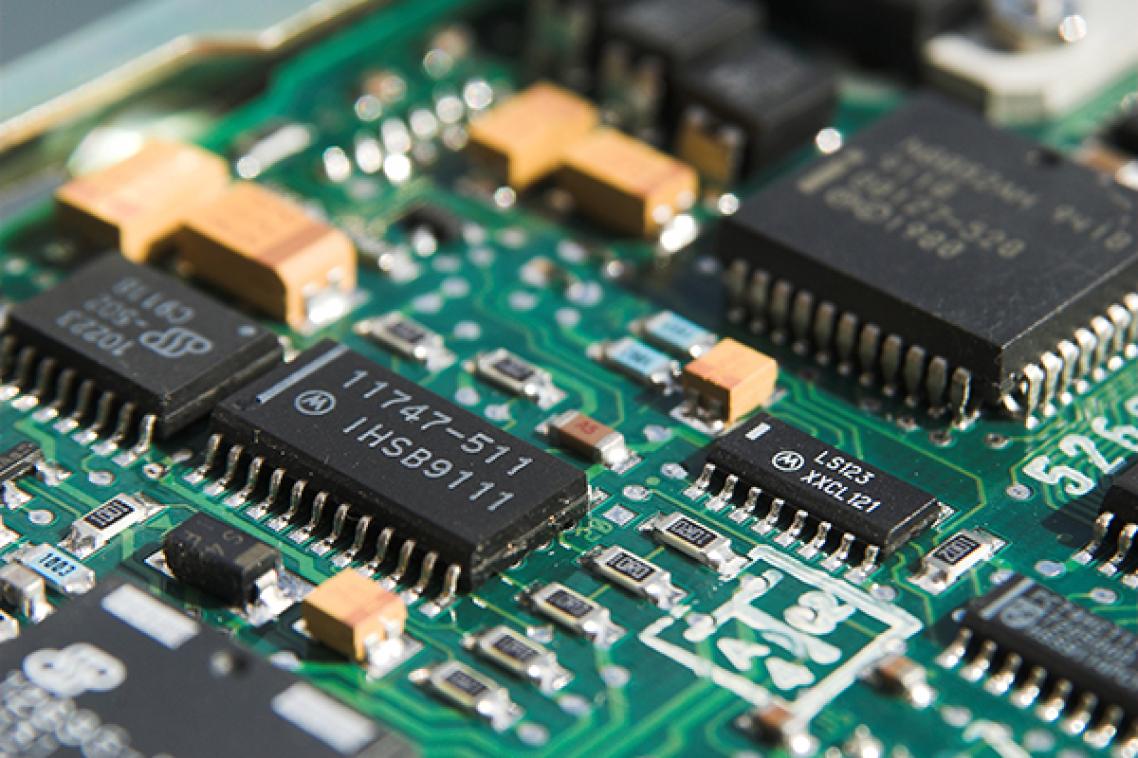
Melting metals from scrapped electronic devices are among solutions for the sustainable supply of critical materials being investigated by University of Queensland researchers.
UQ’s Pyrometallurgy Innovation Centre (PYROSEARCH) Director Professor Eugene Jak said the metals were needed for a new generation of electrical devices, including solar panels, computers, smart phones, electric cars and more.
“Part of the answer to ensuring a consistent supply lies in our existing electronic devices and how we dispose of them when they reach the end of their life-cycle,” Professor Jak said.
“A smart phone alone can hold up to 20 different metals, which could be re-used in other technologies.
“By melting down these devices in high temperature processes, the critical metals can be retrieved and separated back into their original forms to be used again.”
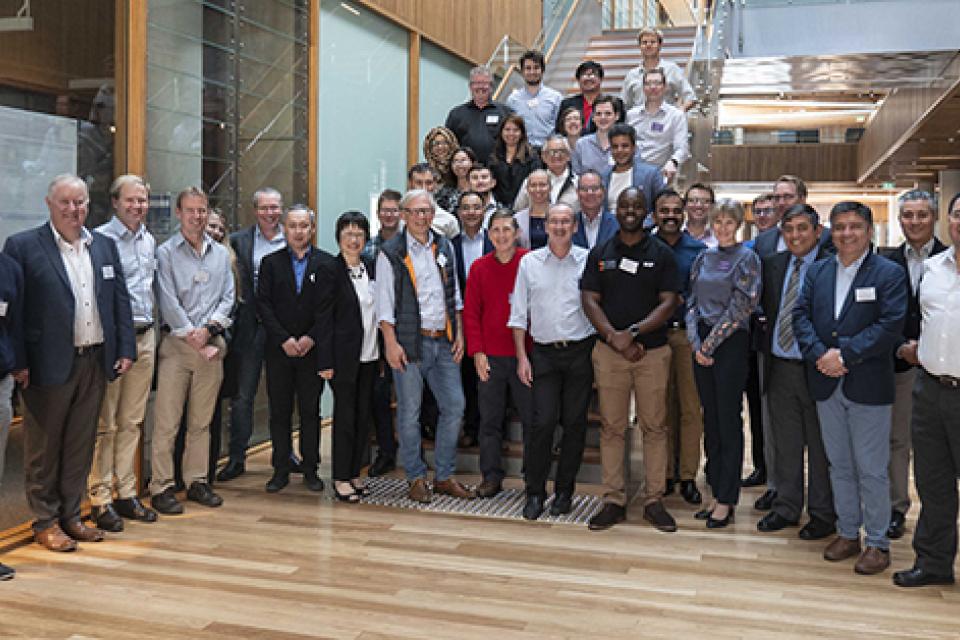
UQ researchers recently met with leading metallurgical, recycling and advanced materials companies to discuss research collaborations.
“We’re working to establish advanced chemical data-bases, which will allow researchers to predict complex reactions, and refine high-temperature copper and lead processing technologies used to recycle these critical metals.
“This will ultimately lead to improvements in the production and recovery of key metal elements, enabling improvements in recycling and energy savings.”
The projects are funded by a major Australian Research Council linkage grants and supported by a number of industry partners from around the world, including Umicore, a global materials technology and recycling group renowned for its sustainability practices.
Umicore’s Director Innovations, Maurits Van Camp, said that it was a new era for metallurgy.
“It feels like we’re working on our common future - it is one of the most exciting points in time to be working in this industry.”
Media: EAIT Communications, Paige Ashby, p.ashby@uq.edu.au, 0430 511 615.
Related articles

Supercharged 'molecule highway' could transform industrial processing
