
Liver surgery success boosted by growth hormone
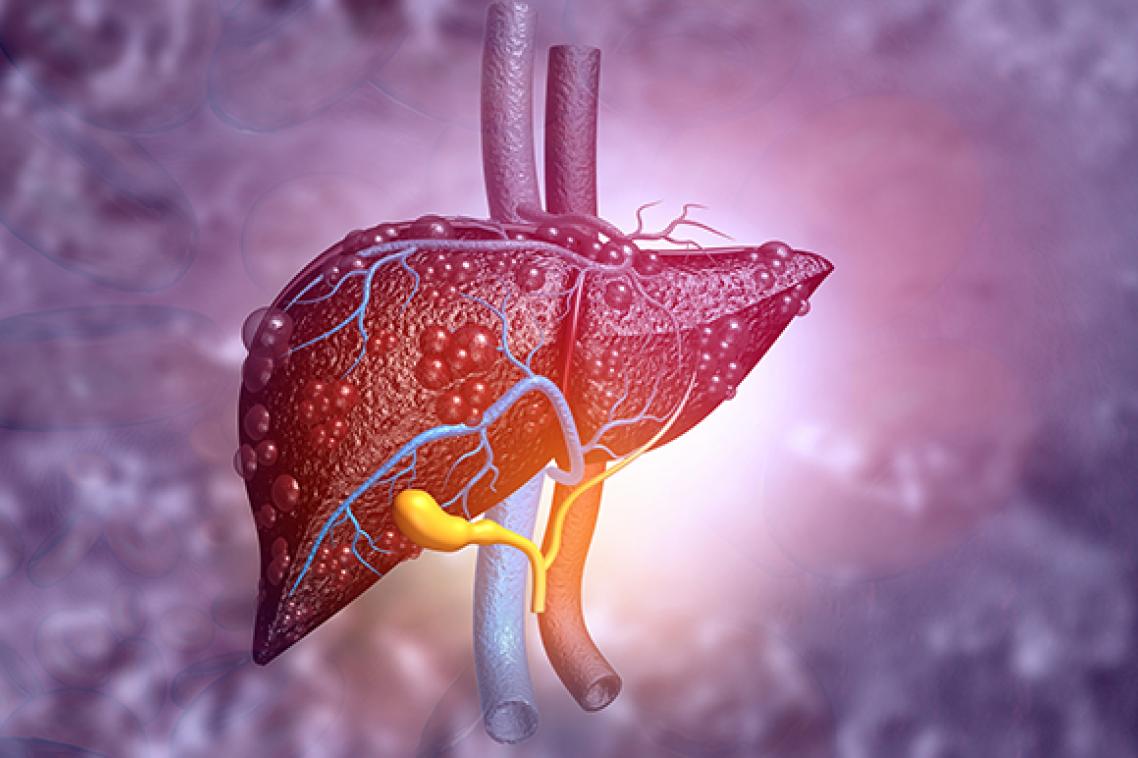
Growth hormone has been identified as playing a key role in reducing inflammation and increasing survival rates following liver surgery.
Researchers at The University of Queensland Diamantina Institute investigated how the body’s growth hormone assists with liver regeneration in a study using mice.
Project leader Dr Andrew Brooks said mice did not survive surgery to remove two thirds of their liver if they lacked the receptor needed for transmitting growth hormone signals to cells.
Mice with normal growth hormone receptors survived the procedure and experienced full liver regeneration.
“We found that growth hormone induced production of a protein called HLA-G, which suppressed the inflammatory response after surgery,” Dr Brooks said.
“By administering the HLA-G protein to mice deficient in the growth hormone receptor, we were able to reduce inflammation and enable liver regeneration and survival.”
The study demonstrates the important role the HLA-G protein plays in suppressing inflammatory responses.
Dr Brooks said treating liver transplant patients with the HLA-G protein or growth hormone may also help suppress inflammation following surgery.
“It’s thought this treatment may account for the reduction in mortality rates in liver failure patients who’ve been treated with growth hormone,” he said.
“Patients with high levels of HLA-G protein are known to experience low levels of rejection of liver transplants.
“Surgical removal of part of the liver is commonly performed to remove benign or malignant tumours, however liver failure is a leading cause of death following these surgeries.
“It’s hoped this study will lead the researchers to explore growth hormone or HLA-G as a new therapy to improve patient outcomes following organ transplants.”
This research is published in the journal, Hepatology. (DOI:10.1002/hep.31297).
Media: Dr Andrew Brooks, a.brooks@uq.edu.au, Faculty of Medicine Communications, med.media@uq.edu.au, +61 436 368 746.
Topics
Related articles

Shaping the future of medicine: UQ Medical School turns 90
