
ARC Fellowships boost environmental research
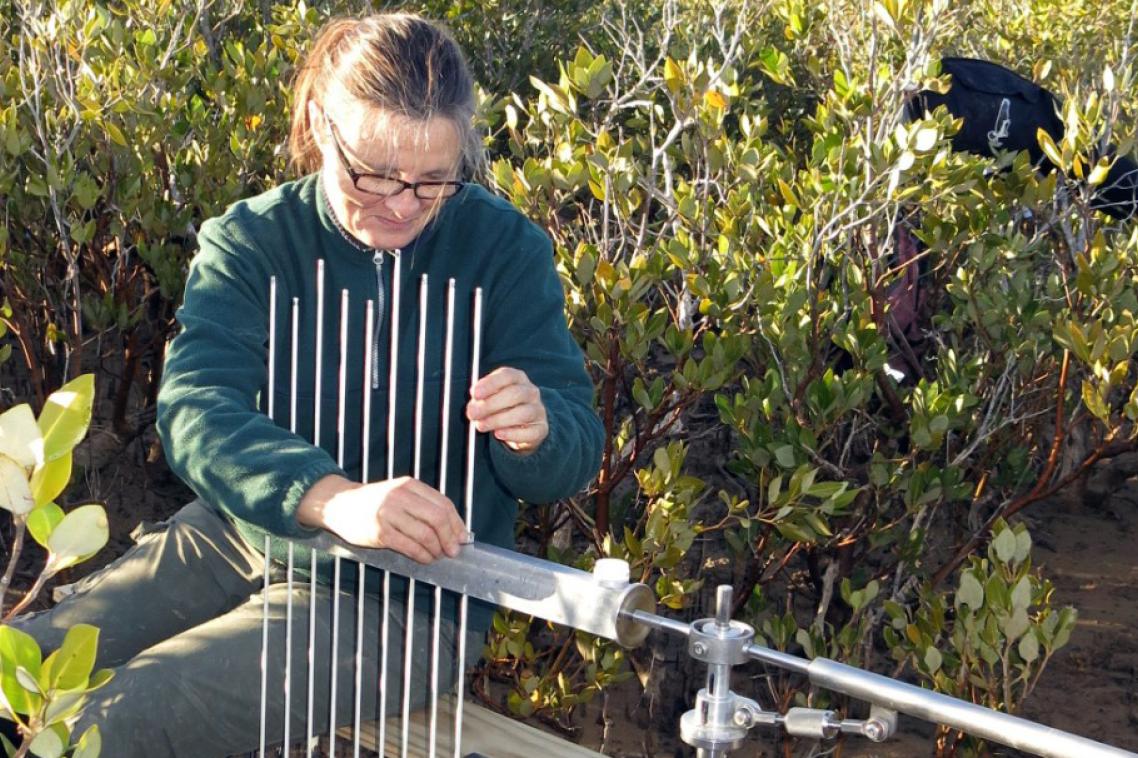
Two University of Queensland environmental scientists have been named 2020 Australian Laureate Fellows.
The prestigious Australian Research Council awards bring a combined $6.2 million to research projects led by Professor Catherine Lovelock and Professor Jochen Mueller.
As the top-ranked female applicant from the science and technology disciplines, Professor Lovelock also received the Georgina Sweet Australian Laureate Fellowship.
UQ Vice-Chancellor and President Professor Peter Høj AC congratulated the new Fellows.
“We are very proud to see two brilliant researchers, who are pushing the frontiers of knowledge in coastal ecology and environmental toxicology, recognised with sought-after fellowships funded by the ARC,” Professor Høj said.
“I congratulate Professors Lovelock and Mueller and I know they will translate their research into outcomes that benefit our planet’s natural environments and ecosystems.”
Professor Lovelock said carbon stored in soils and coastal wetland biomass – known as “blue carbon” – was important in regulating greenhouse gases.
“These areas also provide coastal protection, habitat for biodiversity, fisheries and amelioration of land-based pollution,” she said.
“Blue carbon offers a way to conserve and restore mangroves, saltmarshes and seagrass while helping with climate change mitigation and better preparing our coasts for the impacts of climate change.”
Professor Lovelock said the Georgina Sweet Fellowship would build on her work with the Queensland Government’s Flying Scientist program, an initiative to promote science, technology, engineering and maths (STEM) to girls and young women.
“It will support engaging with young people in regional communities, for example I work in the Pilbara in Western Australia and in north Queensland,” she said.
“I’ll be explaining my research and science more generally.
“I grew up in rural Western Australia so I know how you can have a limited view about what is possible.”
Professor Mueller’s Fellowship will advance his work to minimise the adverse impacts of chemical exposure in Australia by developing effective predictive tools and identifying emerging chemicals of concern.
He said chemical management and regulation remained a significant challenge for all levels of Australian government.
“Failure to manage the use and release of chemicals potentially has enormous economic, commercial, environmental and social consequences for Australian society,” Professor Mueller said.
“This Fellowship aims to enhance understanding of the factors that affect how chemical exposure changes over time and space.
“The project is expected to deliver new knowledge and predictive tools to inform a more reliable regulatory framework and, crucially, effective, evidence-based intervention strategies.
“With chemical regulation and management based on the best available science and monitoring practice, the Australian public can have greater confidence in the efficient and effective management of chemical exposure across their lifetime.”
The ARC first awarded Laureate Fellowships in 2009. Since then, UQ has received more Laureate Fellowships (29) and more funding (almost $84 million) from the scheme than any other university.
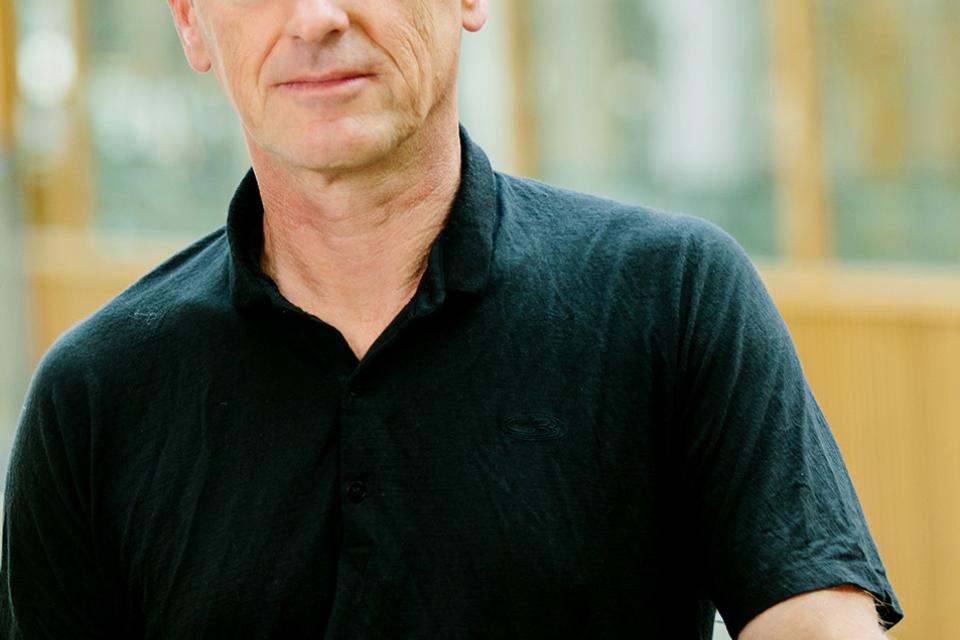
Above: Professor Jochen Mueller
Contact: Faculty of Science Communications, Dominic Jarvis, dominic.jarvis@uq.edu.au, +61 413 334 924; Faculty of Health and Behavioural Sciences Communications, habs.media@uq.edu.au, +61 7 3345 7436.
Related articles

Shaping the future of medicine: UQ Medical School turns 90
