
'Economic anthropology' to back native title claims
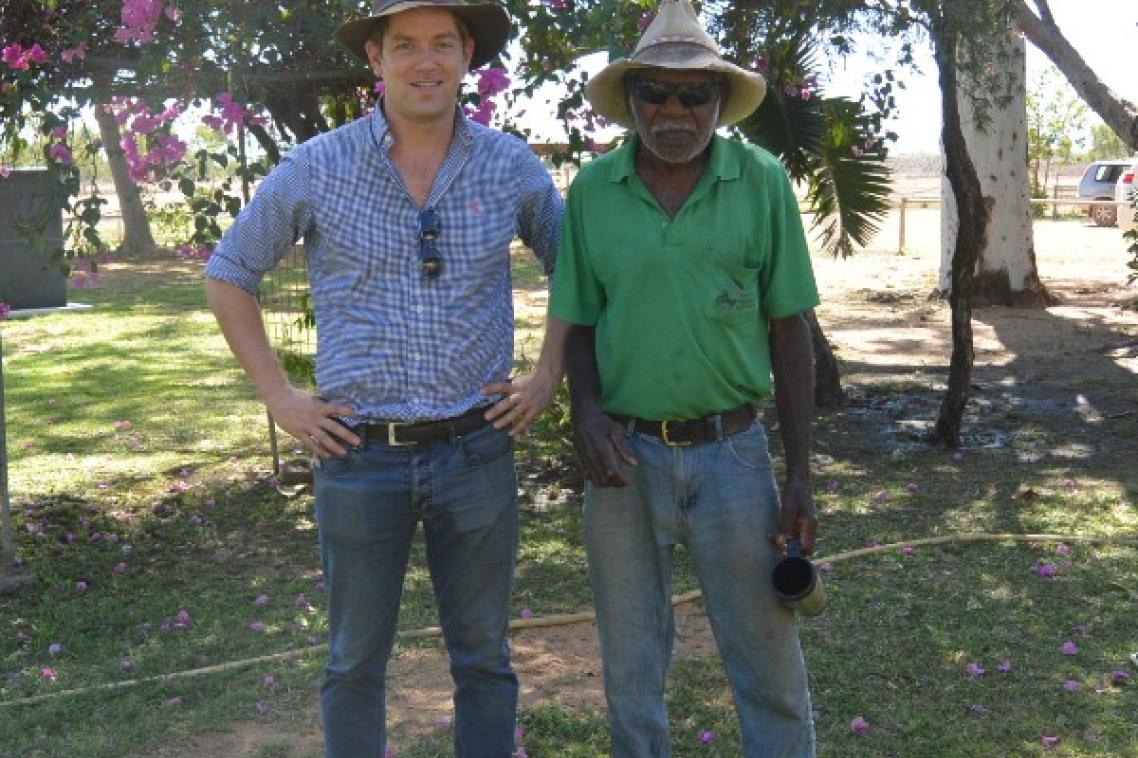
Anthropology research from The University of Queensland is assisting Aboriginal and Torres Strait Islander peoples with their native title and water rights claims.
Dr Kim de Rijke from UQ's Culture and Heritage Unit is working with Warlangurru Indigenous claimants in the Kimberley region of Western Australia to understand how traditional law relates to the commercial use of land and water in Australia today.
"The emerging use of economic anthropology in the legal process is exciting because it sheds new light on the recognition of Indigenous Australian rights and interests," Dr de Rijke said.
As part of research for the Warlangurru Native Title claim, Dr de Rijke will undertake detailed interviews about the customary uses of natural resources such as plants and animals, ochre, water and a range of manufactured objects.
Dr de Rijke's research forms part of a broader effort to resolve the legacy of colonial dispossession by researching Indigenous Australian peoples' traditional connections with claimed areas.
An important development in native title jurisprudence was The High Court's 2013 decision in the Akiba case in the Torres Strait, which confirmed claimants had the right to take and use resources “for any purpose”.
"The Akiba ruling was significant because it allows native title claimants to assert the right to use land and sea resources for commercial purposes," Dr de Rijke said.
"This is a particularly interesting time in native title jurisprudence because current claims require the courts to address the meaning of 'trade' and ceremonial gift 'exchange' on the Australian continent prior to colonisation."
Dr de Rijke's new project will range from ethnographic fieldwork with Indigenous claimants and Elders on their traditional lands, to reviews of archival materials and academic literature, participation in mediation, and potentially cross-examination in court.
Issues addressed include traditional laws relating to land and waters, the operation of succession, rules governing group membership, relationships with neighbouring groups, kinship, and cultural change over time.
Director of the Culture and Heritage Unit in UQ's School of Social Science, Dr Richard Martin said the challenge for Indigenous claimants was in demonstrating that their traditional system of law and custom encompasses the right to use resources without constraints.
"This raises interesting politics around the use of natural resources for profit, and whether traditional Indigenous law and custom has evolved to enable the commercial use of resources," Dr Martin said.
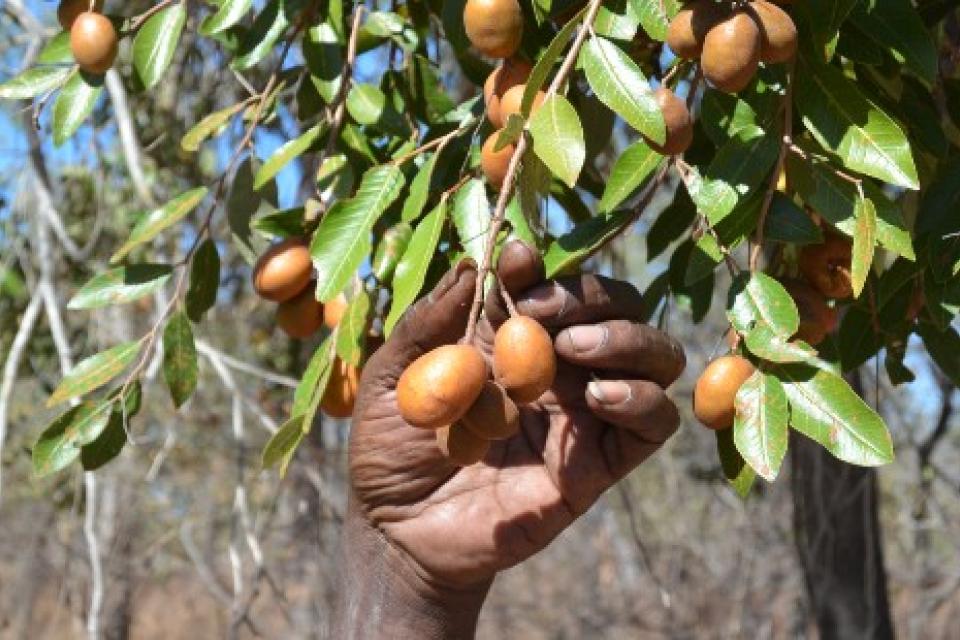
Dr Martin was cross-examined on this issue in the Federal Court in March 2020 in the Kurtijar people’s native title claim.
“State and Territory governments are contesting the recognition of Indigenous rights to take and use resources for any purpose all over Australia,” Dr Martin said.
“In the Kurtijar native title claim, the Queensland Government asserted that Kurtijar people’s use of resources was restricted to ‘domestic’ and ‘communal’ purposes.
“For the case, I was cross-examined about comments by Indigenous people which contrast the need to conserve natural resources, with what is depicted as Whitefellas’ ‘greedy’ exploitation of the land.
“The judge’s decision in the Kurtijar native title claim will contribute to the developing jurisprudence around this issue.”
Since 1993, Indigenous peoples' rights in about one third of the entire Australian landmass have been recognised under the Native Title Act, with Australian Governments committing to new targets for a 15 per cent increase in Australia's landmass and sea* by 2030.
* Subject to Aboriginal and Torres Strait Islander people's legal rights or interests.
Media: Dr Richard Martin, r.martin3@uq.edu.au, +61 417 459 203.
Image caption (1): Dr Richard Martin with Warren Beasley at Delta Downs Station in north-west Queensland’s Gulf Country, conducting fieldwork for the Kurtijar people’s native title claim.
Image caption (2): Ripe morr fruit (Eugenia eucalyptoides), harvested for its sweet, white, apple-like fruit.
Related articles

What makes a winning environmental campaign? We studied six decades of activism to find out
