
Sustainable solution to the mining industry's ‘red mud’ waste enters final stage of testing
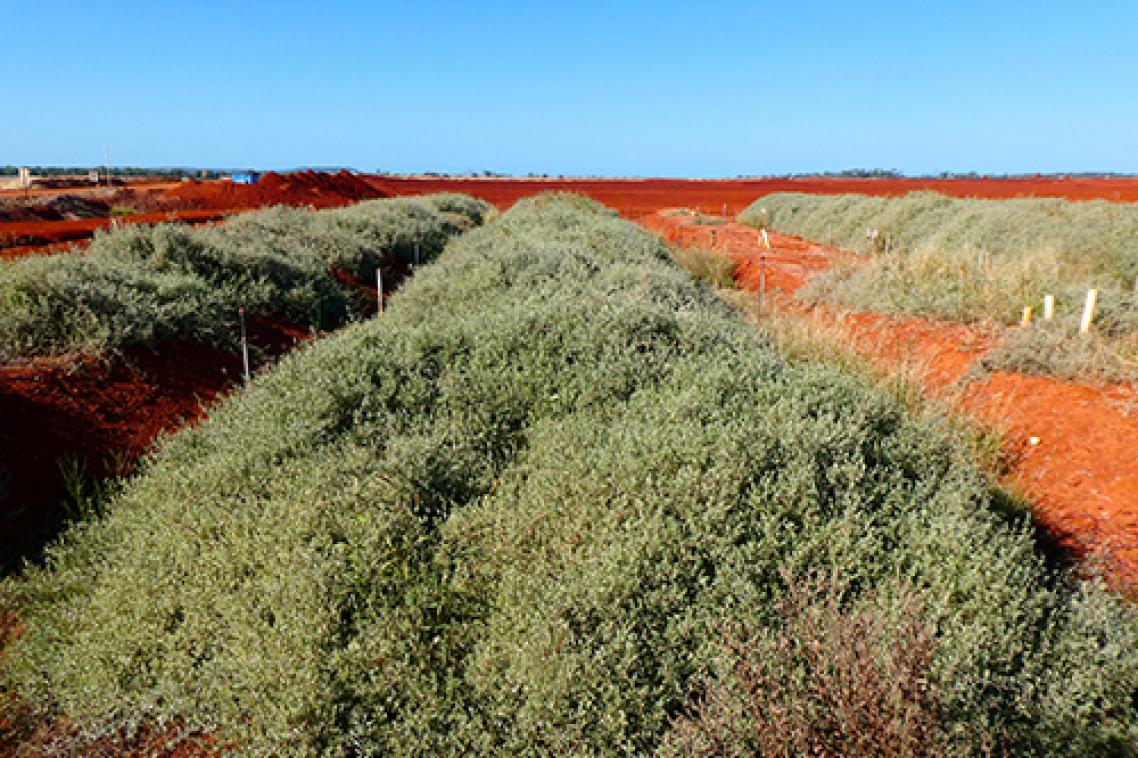
Technology that could rehabilitate mine waste back to useful soil is entering full-scale trials at two Queensland refineries.
Researchers at The University of Queensland’s Sustainable Minerals Institute (SMI) developed the bio-engineering technology in partnership with Rio Tinto and Queensland Alumina Limited (QAL).
SMI Professor Longbin Huang said the process would transform the bauxite residue known as ‘red mud’ into a soil-like material capable of hosting plant life.
“The team has secured more than $3 million in funding from Rio Tinto and QAL that will allow us to trial the technology at an operational scale at two red mud sites,” Professor Huang said.
“This project demonstrates how transformative industry-academia partnerships can be – Rio Tinto and QAL have supported the research for the past eight years, from proof of concept to full field trials.”
There are more than four billion tonnes of red mud stored in dams around the world, with Australia the second largest producer of the mineral waste by-product of alumina refining.
“The process we have developed is game changing as it involves eco-engineering the mineral and organic constituents of the red mud into material that is more hospitable to plant life.
“It is a more sustainable and cost-effective way of managing red mud compared to traditional methods, which require companies to excavate and transport metres of topsoil from other locations to cover thousands of hectares of waste.”
QAL Environment and Tailings Manager Trent Scherer said the team was excited to see the project moving to a full-scale trial.
“After years of watching various trials unfold within our daily work environment, to now be able to see the tangible outcomes of UQ’s work has been encouraging,” Mr Scherer said.
“QAL is committed to minimising our environmental footprint through our $440 million 5-Year Environmental Strategy, and the funding and resources provided to this project are further steps in that journey.”
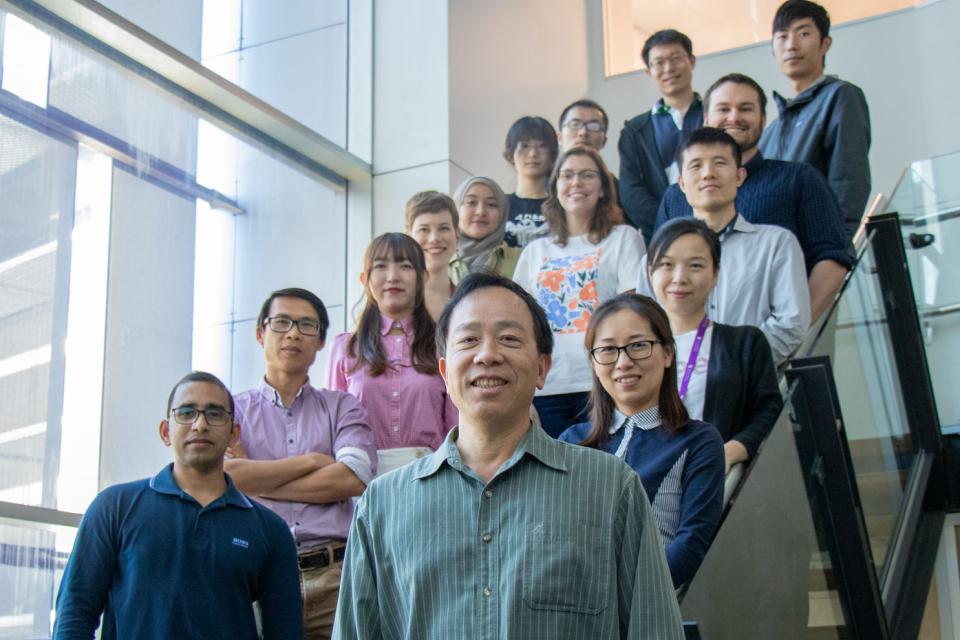
Image above left: Professor Longbin Huang and his research group.
Media: Connor Pound, c.pound@uq.edu.au, +61 (0)447 812 081.
Related articles

A new way to navigate tough land and water use decisions
