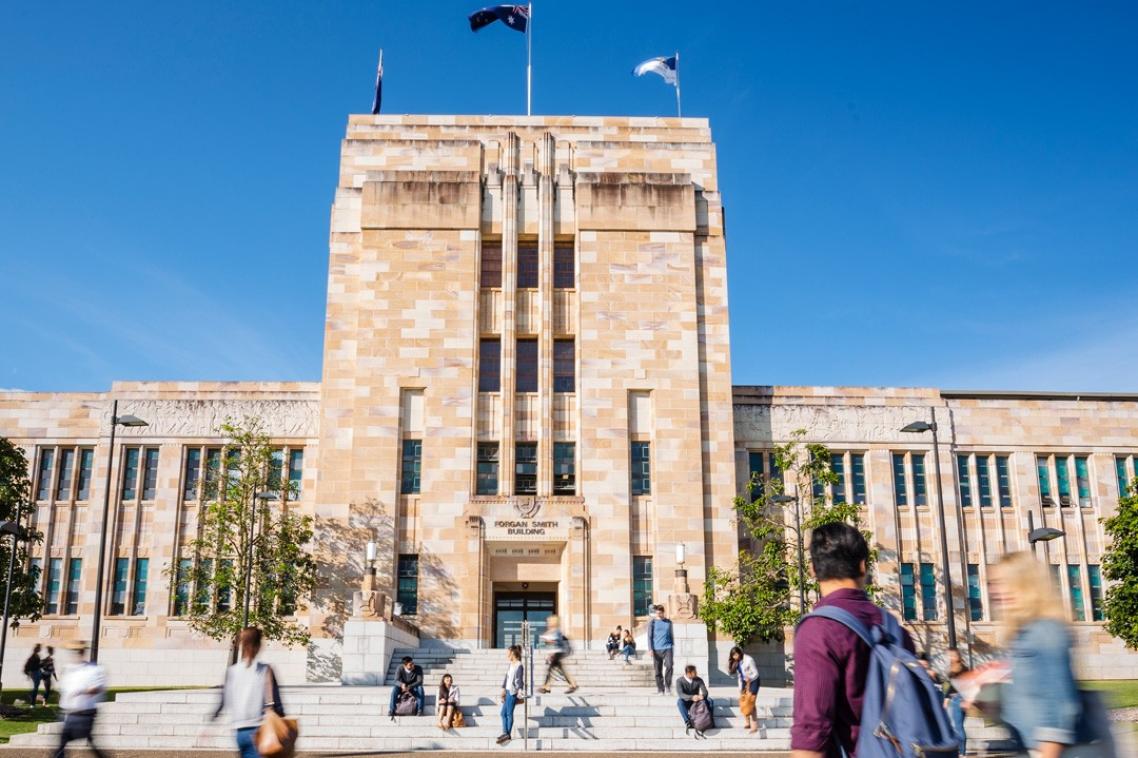
Queensland study aims for world-first concussion blood test for sport
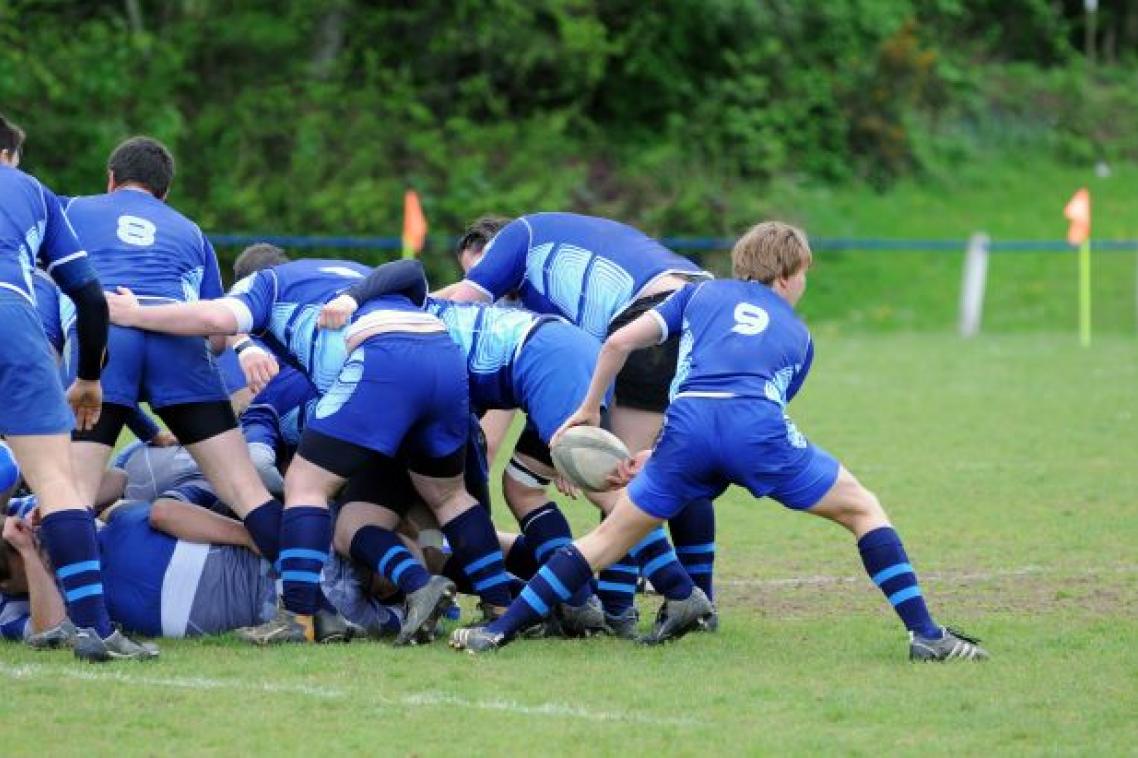
Researchers at The University of Queensland are seeking volunteer school rugby and basketball players for brain scans as they work on a new blood test to help diagnose concussion.
The Queensland Brain Institute at UQ has partnered with World Rugby, Rugby Australia, Qscan, Trajan and Sonic Health for the project.
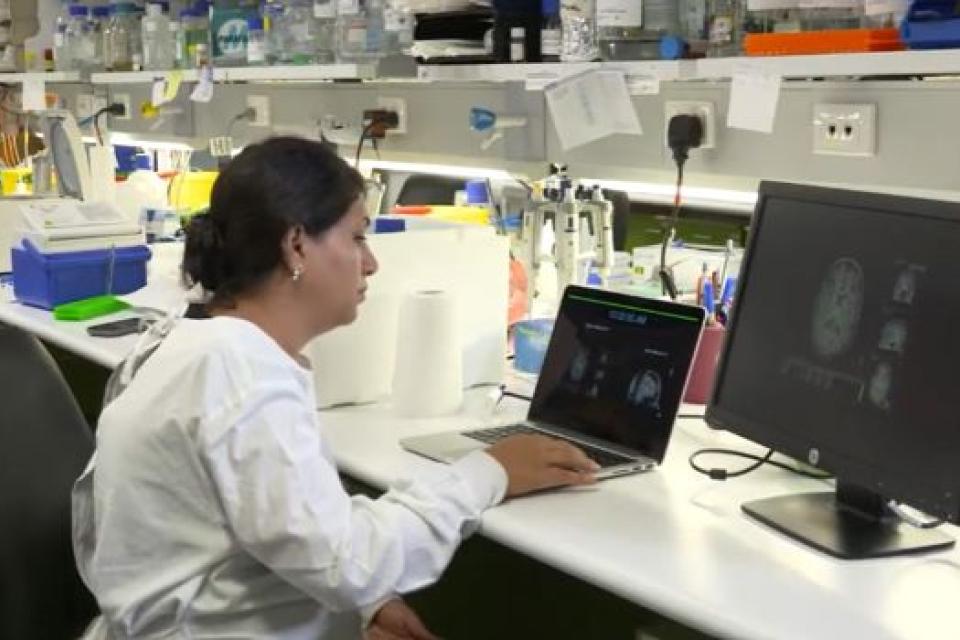
It will use advanced brain imaging, blood analysis and cognitive testing to identify biomarkers that reflect concussion‐induced changes to the brain.
Volunteers from Queensland GPS school rugby and basketball players in Year 9 and above are needed from October 2022 until next year’s rugby season.
Lead researcher, Associate Professor Fatima Nasrallah says a blood test would have a huge impact on sport across the world.
“If we can find a biomarker that accurately reflects how the brain responds to and recovers from a concussion, it will be a gamechanger for the sport,” Professor Nasrallah said.
“We could then develop a field‐side tool to inform diagnosis and the action needed in real‐time, such as removing players from the field or returning only when it is safe to do so.
In elite sport, a concussion is diagnosed by using a SCAT5 test or Rugby Australia’s Head Injury Assessment (HIA) protocol to measure subjective behavioural symptoms.
Many sporting bodies in Australia adopt an ‘if in doubt, sit them out’ approach towards potential concussions under the Concussion in Sport Australia guidelines.
A diagnostic tool based on a confirmed biomarker would provide an objective, evidence‐based assessment for concussions in elite sports and at a community level, where there is currently no uniform assessment process.
World Rugby Chief Medical Officer Dr Éanna Falvey has welcomed the new research.
“The potential of the Queensland study is huge. If the leading research from The University of Queensland could discover a blood test which identified concussion in the community game then it would provide huge benefits not just for rugby but for the whole of world sport,” Dr Falvey said.
“World Rugby has a commitment never to stand still on player welfare. Our six‐point plan to become the most progressive sport in the world in this area includes a commitment to invest in science and research and this study is just one example of us putting our plan into action.
“While the risks at youth and community level are not comparable to the elite game, the program demonstrates the sport’s continued focus on objective identification and management of brain injuries, while also progressing injury prevention strategies for youth rugby through modified laws, tackle technique and education.”
World Rugby’s six-point plan on player welfare can be viewed here.
Above left: Associate Professor Fatima Nasrallah examing brain scanes. Image Supplied.
Media: Merrett Pye, Queensland Brain Institute, merrett.pye@uq.edu.au, +61 (0)422 096 049 or Elaine Pye, e.pye@uq.edua.u, +61 (0)415 222 606; Peter Hannon, World Rugby, peter.hannon@worldrugby.org, +353 87 947 9907.
Related articles

From cooked breakfast to their own TV, aged care residents need to watch for extra fees