
Igniting digital innovation for a bright future
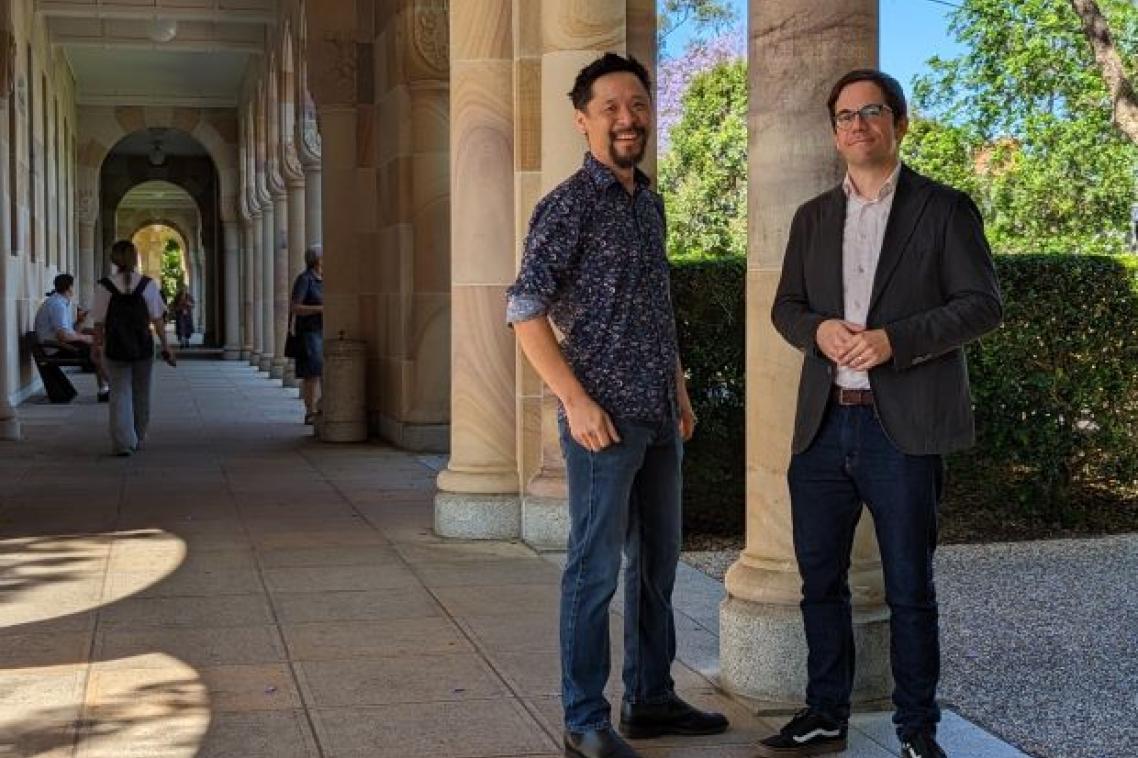
A University of Queensland course is preparing business students for future technologies and jobs that haven’t been invented yet by encouraging them to turn theory into innovation action.
More than 1,600 School of Business students have so far participated in a hackathon, in which they used cloud or blockchain technologies to develop a digital tool to address one of the United Nations Sustainable Development Goals.
The teaching program embodies the theme of this year’s UQ Teaching and Learning Week – Learning for Life.
Dr Christoph Breidbach, Senior Lecturer in Business Information Systems, says the hackathon, run with global technology company Oracle, is the best part of his semester.
“We’re preparing our students for a future that we can't anticipate,” Dr Breidbach said.
“The jobs of the future, the technologies that our graduates will work with or develop, or benefit from, most likely haven't been invented today.
“From a teaching perspective, a hackathon is fantastic because it teaches students to innovate in a structured manner, to work on a real-life project and to collaborate with industry partners.
“The hackathon shifts their experience from thinking about academic theories to using the methods and processes we give them to come up with something amazing and often it’s something I wouldn't have anticipated,” he said.
Nimrod Klayman, Head of Entrepreneurship at UQ said UQ Ventures provided students with support during the hackathon, including sessions on how to pitch ideas effectively and how to apply design thinking.
“This is a wonderful opportunity for the students to learn entrepreneurial skills, while working with a high-profile industry partner on real world problems creating meaningful solutions,” Mr Klayman said.
At the end of the hackathon the teams of students pitched their idea to a panel of university and industry representatives.
Oracle Cloud Specialist Jason Lowe said the final presentations were inspiring and thought-provoking.
"It was a fantastic opportunity to work with students on this challenge with the view of supporting a social cause with a global impact,” Mr Lowe said.
The project won the UQ Business School’s Award for Excellence in Assessment Design in 2021.
“When we receive student feedback, we are happy to see comments that this was the best offering they’d experienced in their time at UQ, that working with Oracle really helped them understand new technologies and methods,” Dr Breidbach said.
“This experience should give them the tools to develop digital innovations and new business models, regardless of what the future holds.”
Media: Dr Christoph Breidbach, c.breidbach@business.uq.net.au, +61 (0)7 3443 1244; UQ Communications, communications@uq.edu.au, +61 (0)429 056 139.
Related articles

What makes a winning environmental campaign? We studied six decades of activism to find out
