
Platelets can replicate the benefits of exercise in the brain
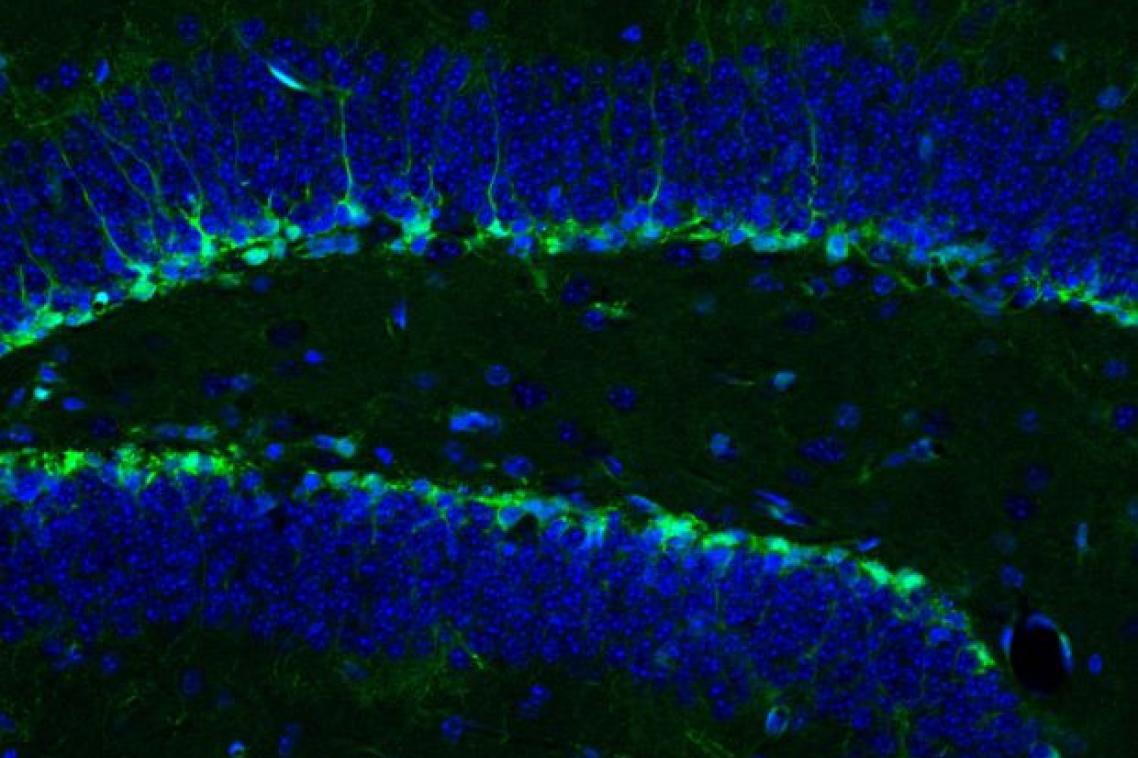
Pre-clinical trials by University of Queensland researchers have found an injection of a specific blood factor can replicate the benefits of exercise in the brain.
Dr Odette Leiter and Dr Tara Walker from UQ’s Queensland Brain Institute led a team which discovered platelets, the tiny blood cells critical for blood clotting, secrete a protein that rejuvenates neurons in aged mice in a similar way to physical exercise.
“We know exercise increases production of new neurons in the hippocampus, the part of the brain important for learning and memory, but the mechanism hasn’t been clear,” Dr Leiter said.
“Our previous research has shown platelets are involved, but this study shows platelets are actually required for this effect in the aged mice.”
The researchers focused on exerkines, the biological compounds released into the bloodstream during exercise, which are believed to stimulate the exercise-induced response in the brain.
“We discovered that the exerkine CXCL4/Platelet factor 4 or PF4, which is released from platelets after exercise, results in regenerative and cognitive improvements when injected into aged mice,” Dr Leiter said.
Dr Walker said the findings have significant implications for the development of drug interventions.
“For a lot of people with health conditions, mobility issues or of advanced age, exercise isn’t possible, so pharmacological intervention is an important area of research,” she said.
“We can now target platelets to promote neurogenesis, enhance cognition and counteract age-related cognitive decline.”
The researchers said the next step is to test the response in Alzheimer diseased mice, before moving towards human trials.
“It’s important to note this is not a replacement for exercise,” Dr Walker said.
“But it could help the very elderly or someone who has had a brain injury or stroke to improve cognition.”
The study is published in Nature Communications.
Media: QBI Communications, communications@qbi.uq.edu.au, Merrett Pye +61 422 096 049; Elaine Pye +61 415 222 606.
Related articles

Transforming communities: 2026 UQ Alumni Award winners
