
Spider venom heart drug a step closer
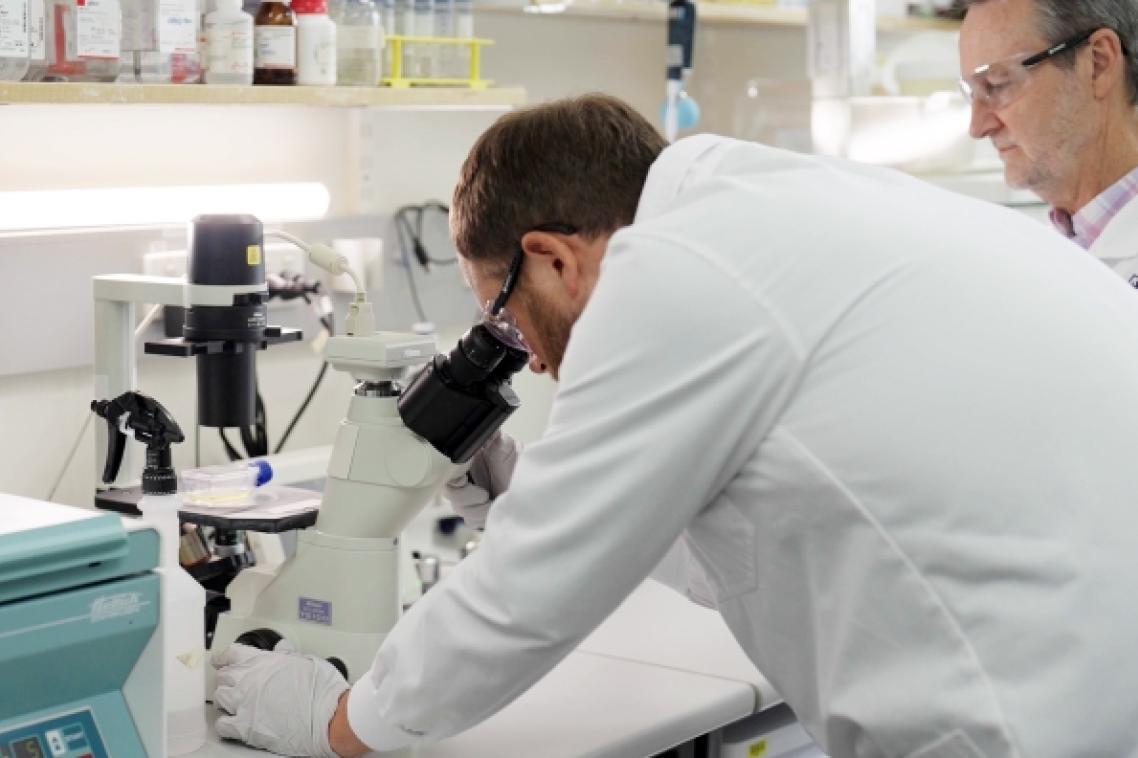
A spider venom molecule being investigated by a University of Queensland team has met critical benchmarks towards becoming a treatment for heart attack and stroke.
Associate Professor Nathan Palpant and Professor Glenn King from UQ’s Institute for Molecular Bioscience have previously shown that the drug candidate Hi1a protects cells from the damage caused by heart attack and stroke.
Dr Palpant said a subsequent study has put the drug through a series of preclinical tests designed to mimic real-life treatment scenarios.
“These tests are a major step towards helping us understand how Hi1a would work as a therapeutic – at what stage of a heart attack it could be used and what the doses should be,” Dr Palpant said.
“We established that Hi1a is as effective at protecting the heart as the only cardioprotective drug to reach Phase 3 clinical trials, a drug that was ultimately shelved due to side effects.
“Importantly, we found that Hi1a only interacts with cells in the injured zone of the heart during an attack and doesn’t bind to healthy regions of the heart – reducing the chance of side effects.”
“Hi1a could reduce damage to the heart and brain during heart attacks and strokes by preventing cell death caused by lack of oxygen,” Professor King said.
“Our testing and safety studies from independent contract research organisations has provided evidence that Hi1a could be an effective and safe therapeutic.”
Infensa Bioscience, a company co-founded by the researchers, raised $23 million in 2022 to develop Hi1a for commercial purposes.
Infensa CEO and UQ researcher, Associate Professor Mark Smythe, said cardiovascular disease is the leading cause of death globally.
“Most deaths from cardiovascular disease are caused by heart attacks and strokes, yet there are no drugs on the market that prevent the damage they cause,” Dr Smythe said.
“An effective drug to treat heart attack would have worldwide impact, providing a breakthrough to improve the lives of millions of individuals living with heart disease.”
The research team included Dr Meredith Redd from IMB as well as Dr Melissa Reichelt and Dr Yusuke Yoshikawa from UQ’s School of Biomedical Sciences.
The research was funded by the Australian National Health and Medical Research Council, Australian Medical Research Future Fund, The University of Queensland, Infensa Bioscience, The Heart Foundation and The Lott by Golden Casket.
The study was published in the world’s leading cardiac journal The European Heart Journal.
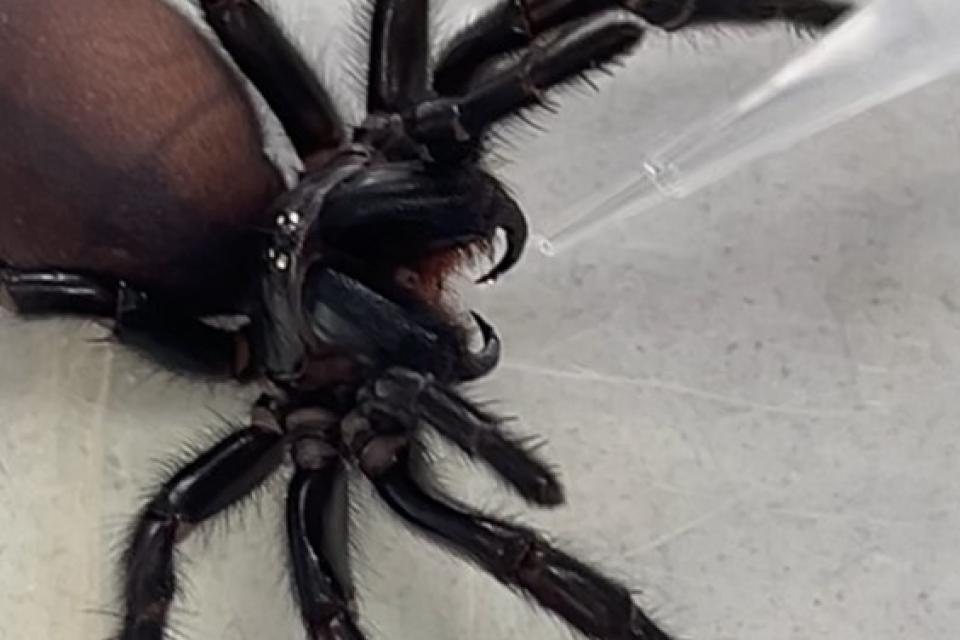
Image above left: Harvesting venom from a funnel web spider with a pipette.
Images and video available via Dropbox.
Media: IMB Communications, communications@imb.uq.edu.au, +61 457 576 843.
Topics
Related articles

Prolapse is common after pregnancy and later in life. Here’s what to look out for
