
Using weather radar to track Australia’s migrating birds
For the first time, scientists have used data from weather radar not to track storms, but to count birds as they travel across Australian skies.
The study, led by University of Queensland PhD candidate Xu Shi, used 16 years of radar weather data from the Bureau of Meteorology to monitor bird migration patterns from Tasmania to northern Queensland.
“We were very excited to discover millions of birds migrating in Australia each year, escaping cold southern winters by moving up the east coast,” Mr Shi said.
“Birdwatchers have known for a long time that some Australian birds migrate, but never before have we been able to study the phenomenon so clearly.
“Weather radars can tell us how many birds are flying, when and in which direction they’re moving.”
The research team found that migration of birds in Australia is very different to what is seen in Europe or North America.
“The data showed lots of variation in migration direction, timing, and intensity from year to year when compared to northern hemisphere birds, which are very rigidly tied to seasons,” Mr Shi said.
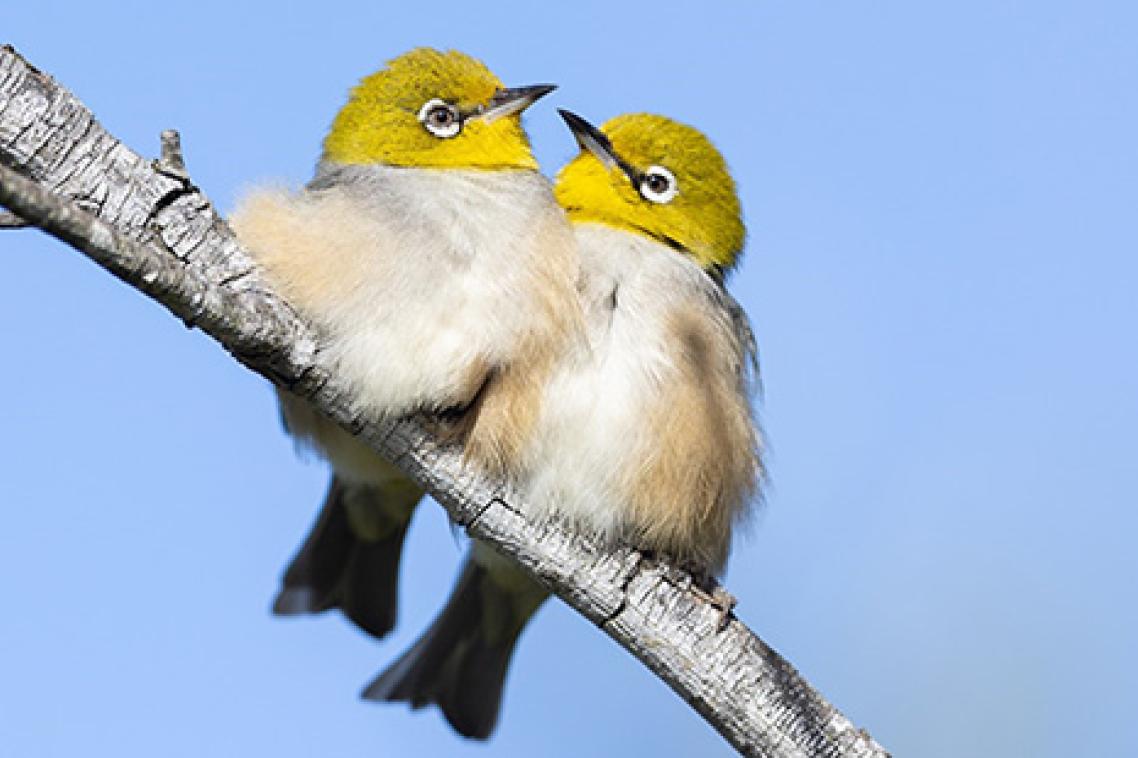
“For example, the tiny Silvereye Zosterops lateralis migrates from Tasmania to as far as southern Queensland.
“But they might not all do that every year and sometimes they migrate shorter distances.”
The radars also revealed that many Australian birds migrate during the day unlike birds in the northern hemisphere, but researchers are not yet sure why this is.
Study co-author Professor Richard Fuller said the discoveries pave the way for conservation efforts to protect Australia’s birds.
“Birds that migrate within Australia are often overlooked by legislation, and until now we’ve known very little about which species migrate, where they go and when they do it,” Professor Fuller said.
“Our research shows that a considerable number of birds migrate within Australia, which highlights the need for more research into their migration patterns.
“By enabling researchers to further explore how climate change and environmental shifts affect bird migration, our findings can help us better protect birds in Australia and globally.”
This research is published in Current Biology.
Media contact
Faculty of Science
science.media@uq.edu.au
+61 438 162 687
Related articles

A new way to navigate tough land and water use decisions
