
UQ looks into recycling waste for wealth
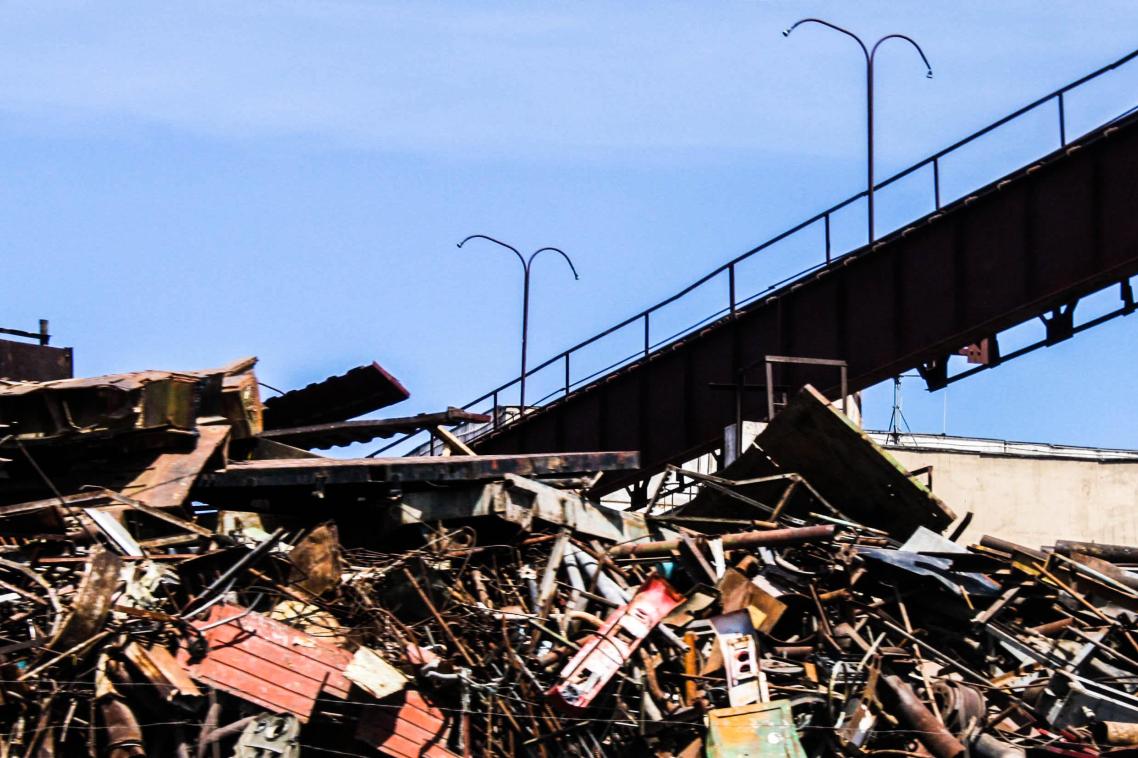
Researchers from The University of Queensland are looking at an untapped vein of metals, potentially worth $2 billion a year, but it won’t be found in a mine.
Dr Glen Corder, from UQ’s Sustainable Minerals Institute (SMI), said a new research collaboration was looking at the logistics of generating wealth from waste by mining above-ground resources.
“The potential reward from recovering and recycling waste metals is significant, worth up to $2 billion a year to Australia," Dr Corder said.
Dr Corder, a Principal Research Fellow with SMI’s Centre for Social Responsibility in Mining, said research at the centre and University of Technology Sydney had found there was five million tonnes of metals such as iron, aluminum and copper in landfills and discarded products.
“Those metals could provide up to 70 per cent of Australia’s metal consumption each year,” he said.
The Wealth from Waste research collaboration, launched today, is a three-year research project lead by the University of Technology, Sydney, with partners including the CSIRO, Monash University, Swinburne University of Technology and Yale University.
“The project aims to identify economically viable options for the recycling of metals from existing products in Australia,” he said.
“Our team will be looking at the barriers and opportunities from such an approach.”
For more details on the Wealth from Waste program visit www.csiro.au/Organisation-Structure/Flagships/Minerals-Down-Under-Flagship/mineral-futures/wealth-from-waste-cluster.aspx"
Media: Dr Glen Corder, 0401 994 948, or Andrew Dunne SMI Communications Manager, 0433 364 181.
ABOUT SMI & CSRM
SUSTAINABLE MINERALS INSTITUTE
The Sustainable Minerals Institute is made up of seven research centres whose disciplinary roots lie in people, environment and production. Established in 2001, the Institute’s research covers all facets of mining from exploration to site rehabilitation. The Institute has approximately 350 staff including 100 postgraduate students. For more information go to www.smi.uq.edu.au
Centre for Social Responsibility in Mining
The Centre for Social Responsibility in Mining is committed to improving the social performance of the resources industry globally. Its focus is on the social, economic and political challenges that occur when change is brought about by resource extraction and development. Part of UQ’s Sustainable Minerals Institute CSRM partners with the world’s biggest resource companies, industry bodies and NGOs to improve their sustainability performance. For more information, please visit www.csrm.uq.edu.au
Related articles

What makes a winning environmental campaign? We studied six decades of activism to find out
