
Evolving superbug threatens to create an infection tsunami
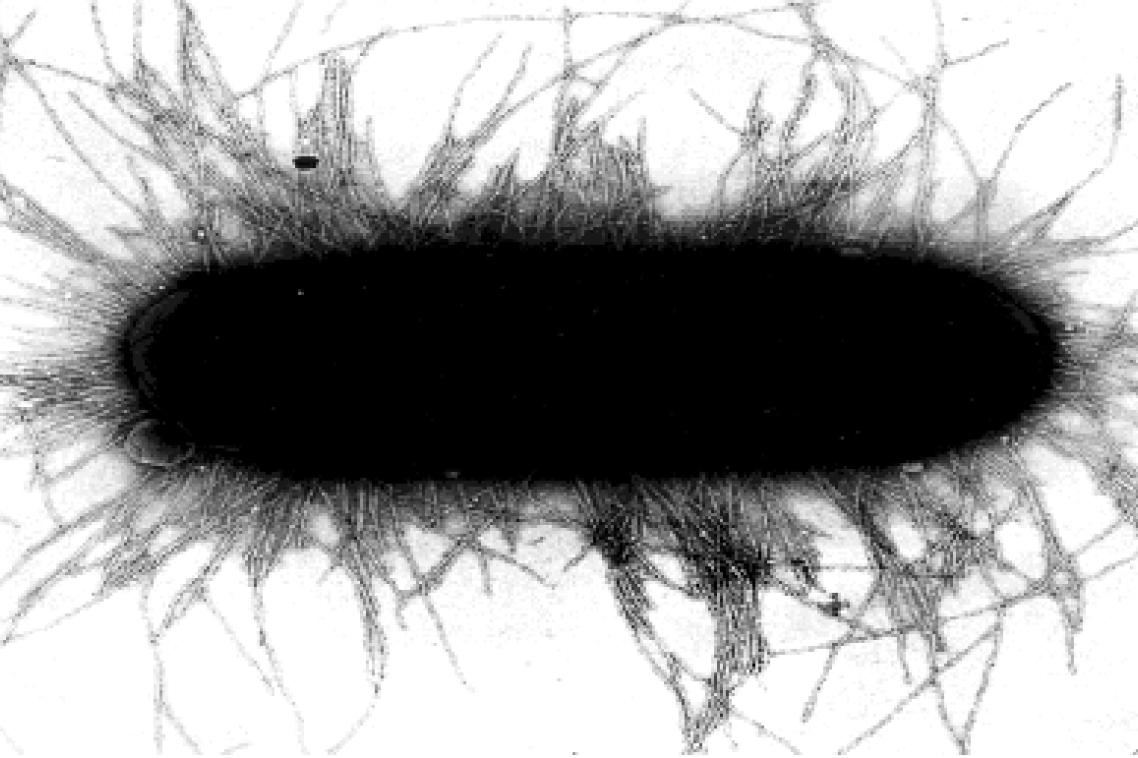
An international study led by The University of Queensland has tracked a potentially devastating multi-drug resistant E. coli strain that is only one gene away from being resistant to almost all antibiotics.
UQ Australian Infectious Diseases Research Centre scientist Dr Nouri Ben Zakour said the emergence and rapid spread of E. coli ST131 meant urinary tract and bloodstream infections could become more common and difficult to treat.
“More than 150 million cases of urinary tract infection are reported globally every year, so an E. coli resistant to all currently effective antibiotic treatments could be devastating to the community,” she said.
The research has been published today in the Proceedings of the National Academy of Sciences USA.
Dr Ben Zakour, from the UQ School of Chemistry and Molecular Biosciences, said E. coli ST131 was not viewed to be problematic five years ago.
“This study lets us understand in detail the evolution of a bacterial pathogen from obscurity to notoriety,” she said.
“It appears the E. coli ST131 arose from a single ancestor more than a decade ago.”
The research team used the latest DNA sequencing techniques to identify the genetic differences between E. coli ST131 strains taken from six regions around the world.
“We needed to develop new software just to analyse all of the data,” Dr Ben Zakour said.
Senior researcher Dr Scott Beatson said it was vitally important to understand E. coli ST131, particularly as there were few new anti-microbial drugs in the developmental pipeline.
“The gravity of this problem is such that E. coli ST131 are only one gene away from being resistant to all antibiotics that can be used to effectively treat urinary tract infections,” he said.
Co-first author Dr Nicola Petty, who now leads a research group in the ithree infection, immunity and innovation institute at the University of Technology Sydney, said the research would enable the development of tests to rapidly detect and help combat the spread of this superbug.
The study was funded by a grant from the National Health and Medical Research Council (NHMRC).
Research group leaders Dr Beatson and Professor Mark Schembri were awarded an additional four-year $793,000 grant in the latest NHMRC funding round to continue work in the area.
The UQ-led team, which included Professor David Patterson at the UQ Centre for Clinical Research, carried out the research with international collaborators including Dr Matthew Upton (Plymouth University), Professor Timothy Walsh (Cardiff University), Professor Gordon Dougan (Wellcome Trust Sanger Institute), Dr Jesús Rodríguez Baño (University of Seville) and Dr Johann Pitout (University of Calgary).
Media: Dr Scott Beatson (s.beatson@uq.edu.au; +61 7 33654863)
Related articles

Fewer and fewer parents will smack their children – but it’s still legal. Should that change?
