
Seaweed threatens Pacific coral reefs
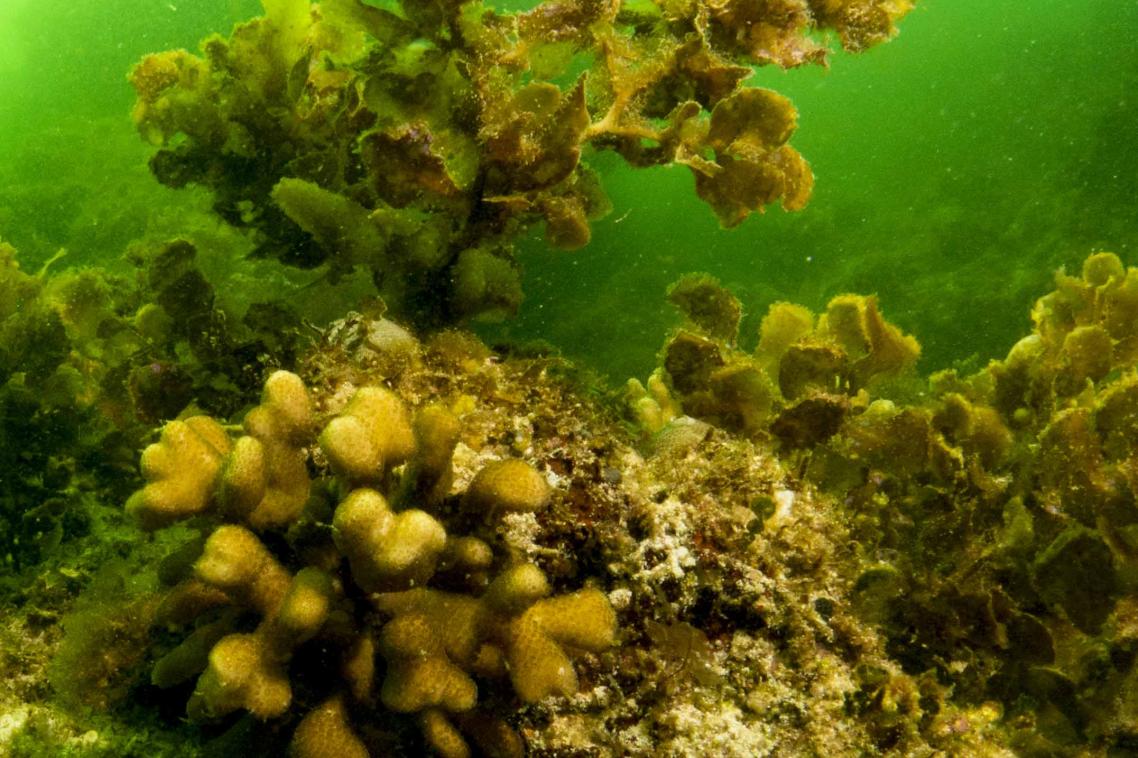
Regulating overfishing could protect Pacific coral reefs from strangulation by seaweed, according to new findings by a University of Queensland scientist.
“Pacific reefs are more vulnerable to increases in seaweed than we used to think,” said Professor Peter Mumby from the ARC Centre of Excellence for Coral Reef Studies and UQ’s School of Biological Sciences.
“Seaweeds tend to bloom when too many herbivorous fish are fished heavily or when agricultural fertilizers pollute rivers that run into the sea.
“The problems are then compounded by climate change which damages corals making it easier for seaweeds to get a foothold.”
“While historically seaweeds have been scarce on Pacific reefs compared to the Caribbean, we are finding that corals are pretty unprepared to cope with some of the more insidious weeds once they get a foothold.”
Professor Mumby said evidence was mounting from the Great Barrier Reef, Palau in Micronesia, and Moorea in French Polynesia that corals avoided settling on reefs with even modest amounts of seaweed.
“It’s important for everyone that reefs don’t switch from corals to seaweeds,” he said.
“The ability of reefs to provide fisheries will at least halve if we lose the fabulous towers and hiding places created by corals.”
Professor Mumby said protecting herbivores was a practical step towards securing coral reef futures.
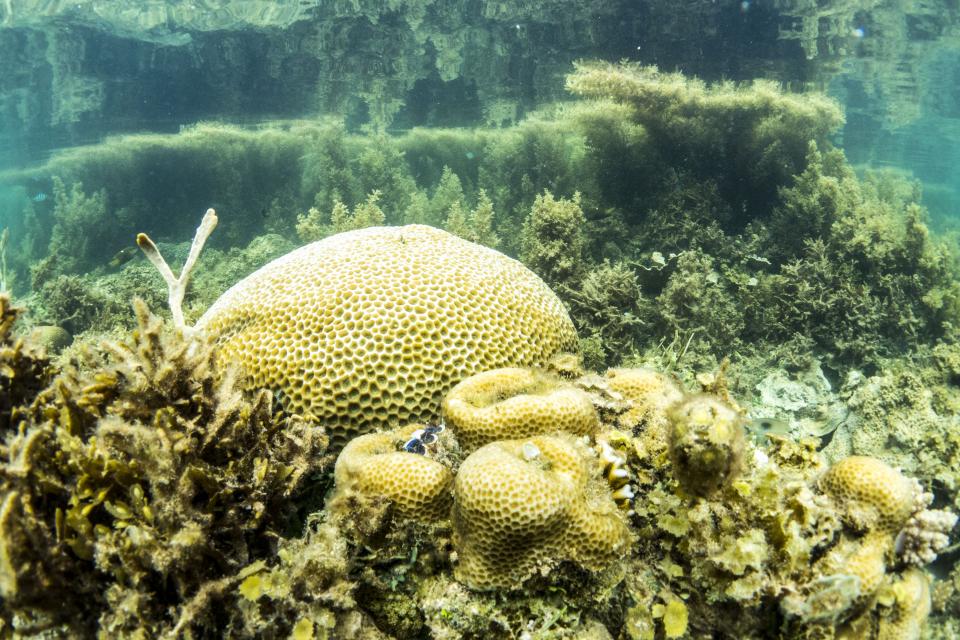
Professor Mumby’s group recently recommended regulations for the Caribbean and suggested that only 10 per cent of the harvestable fish are taken each year and that a minimum size of 30 cm is enforced for parrotfish.
Professor Mumby will present more on “Embracing a world of subtlety on coral reefs” during his Plenary talk in the Kalakaua Ballroom at the 13th International Coral Reef Symposium in Hawaii on June 22, 2016 (June 24 Australian Eastern Standard Time).
Media: Professor Peter Mumby, p.j.mumby@uq.edu.au or Kylie Simmonds, Communications Manager, ARC Coral Reef Centre of Excellence, kylie.simmonds1@jcu.edu.au, +61 (0) 428 785 89.
Related articles

Improving the safety of timber buildings – by setting them on fire
